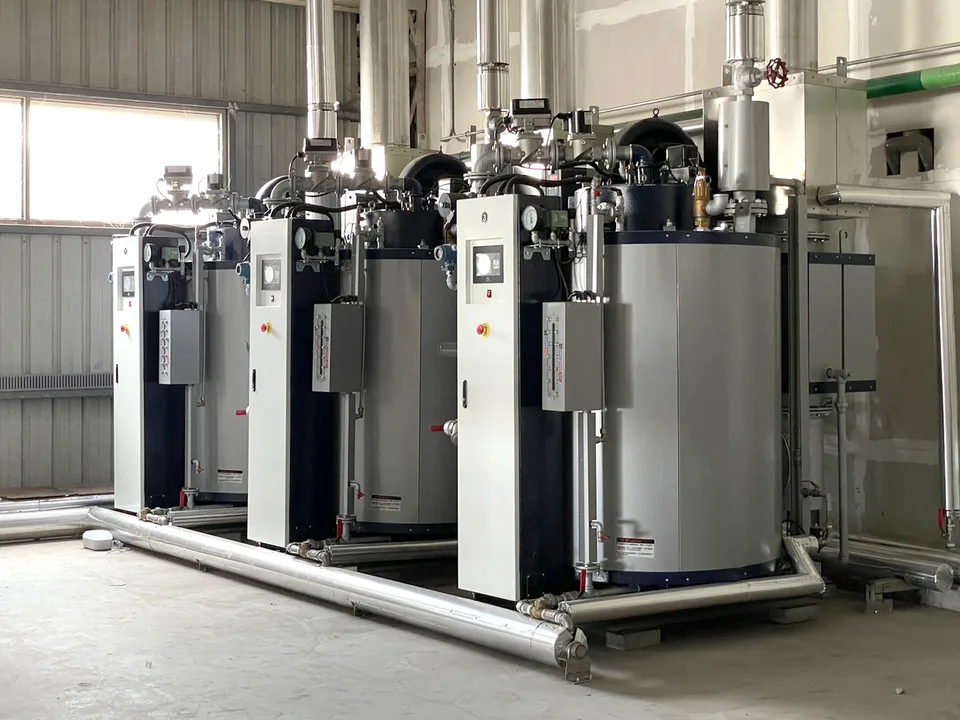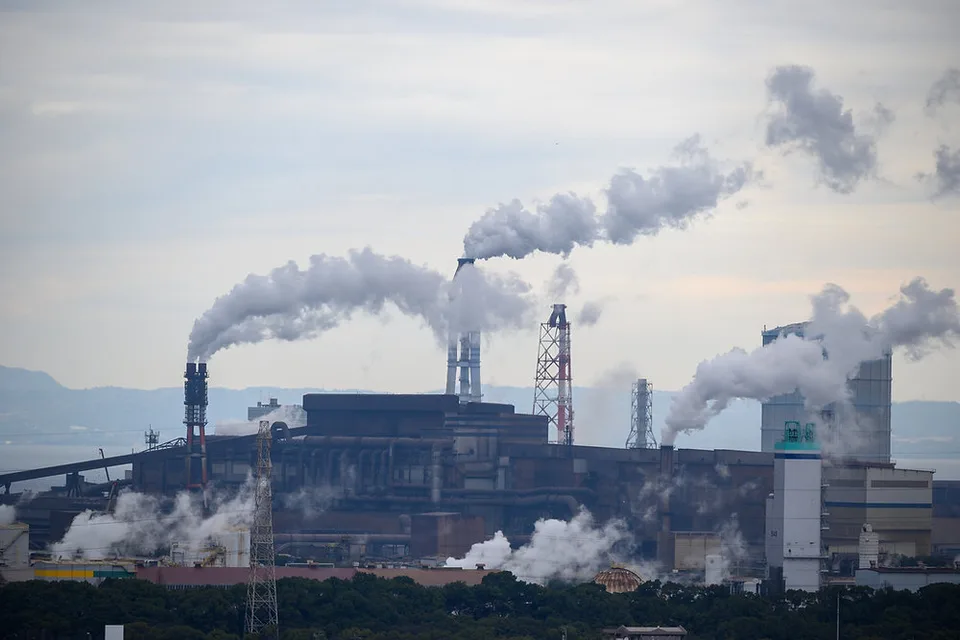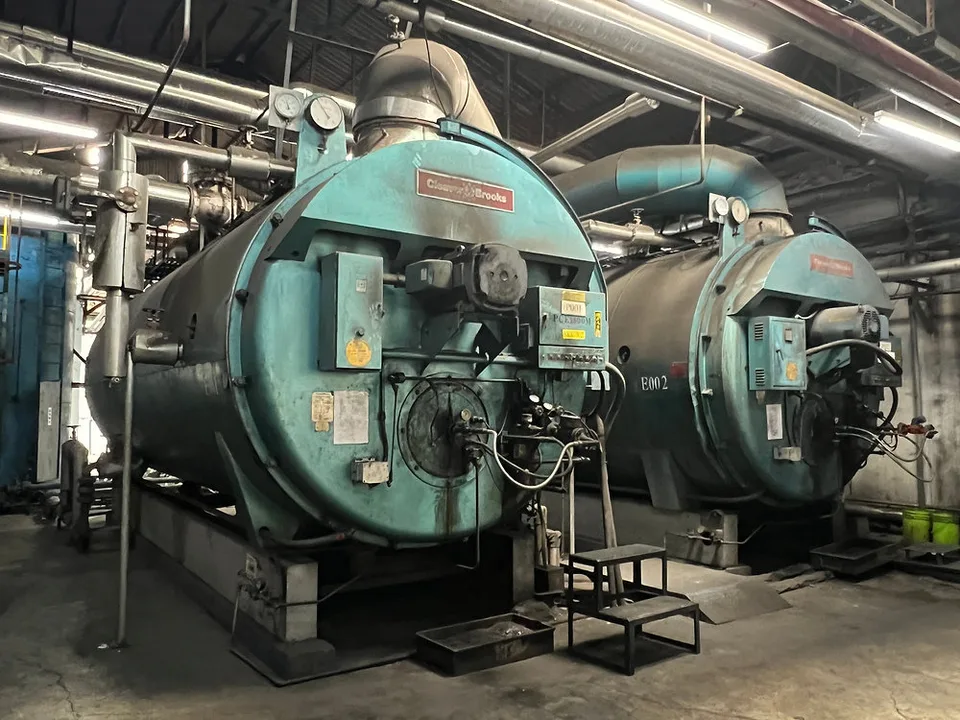
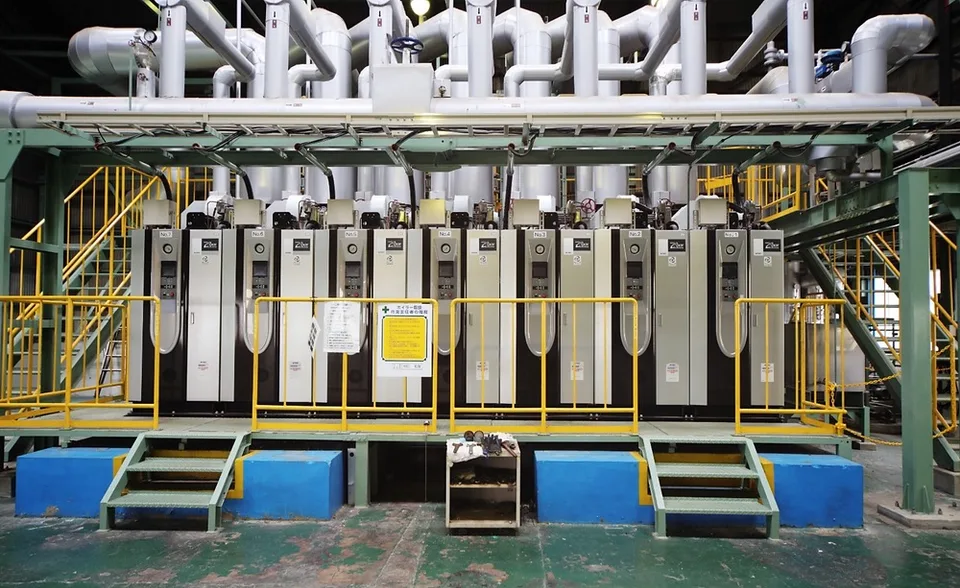
Factory boilers burn gas, diesel or heavy oil to supply steam. Much industrial energy is lost as waste heat. Thermal efficiency answers a practical question: how much fuel expenditure becomes useful steam, and how much escapes through the chimney?
- What Is Boiler Thermal Efficiency?
In plain language:
“The ability to convert fuel energy into useful steam.”
More precisely:
Useful heat produced by the boiler ÷ total heat supplied by the fuel
Higher efficiency means less waste. Low efficiency means paying for fuel that does not become useful steam.
CNS 2141 / B1025 and JIS B8222-1986 describe two principal calculation approaches: the input-output method.
2. The Heat-loss Method
- Two Methods: Measure Useful Heat or Measure Losses
The Direct Method: An Energy Balance
Compare incoming fuel energy with useful steam energy. The direct method is intuitive and can be accurate with appropriate instrumentation. Fuel moisture, steam wetness and temperature measurement errors all affect the result.
The Heat-loss Method: Account for Escaping Heat
This method measures escaping heat, including:
- Flue-gas Heat Loss
- Incomplete Combustion Loss
- Heat loss through boiler walls
- Unburned carbon in ash
- Radiation Loss
Then apply this formula:
Boiler efficiency = 100% − (total heat loss ÷ total heat input) × 100
For a 3-million-kcal thermal-oil boiler, measured losses were 13.3% in flue gas, 0.2% from combustion, 1.1% in ash and 1.3% by radiation, giving 84.1% efficiency.
For every 100 spent on fuel, 16 is lost rather than converted into useful heat.
- What Makes a Boiler Efficient?
The source cites a flue-gas temperature below 180°C for a 30-tonne coal-fired boiler and an efficiency loss of approximately one percentage point per 20°C increase.
Small efficiency improvements accumulate into substantial fuel savings. That is why Chuang Ting emphasizes economizers and flue-gas heat recovery.
- Eight Ways to Improve Thermal Efficiency
These practical tips combine CNS 2141 principles with over 30 years of Chuang Ting field experience:
Reduce Flue-gas Temperature
Flue-gas temperature is often 20–30°C above steam temperature. Excessive temperature can indicate inadequate heat-transfer area, scale or poor combustion.
👉 Actions
- Regular Maintenance
- Install an economizer.
- Check fuel atomization for uniformity.
A 20°C reduction in flue-gas temperature can improve efficiency by approximately one percentage point.
Control Excess Air and Flue-gas Oxygen
A typical flue-gas oxygen target is 3–5%. Excess air carries heat away; insufficient air causes incomplete combustion and smoke.
👉 Adjust combustion air at high load to ensure adequate combustion without unnecessary excess air.
Insulate the Boiler Properly
A boiler surface more than 30°C above ambient indicates heat loss, which also raises room temperature and reduces workplace comfort.
👉 Scan surfaces with an infrared thermometer and investigate areas needing additional insulation.
Preheat Fuel Oil
Cold, viscous fuel oil atomizes poorly and can cause delayed combustion and black smoke. The source discusses an 80–120°C preheat range; the correct setting depends on the specified fuel. Excessive heating can carbonize oil and obstruct nozzles.
👉 Stable fuel preheat is an often-overlooked factor in oil-fired boiler efficiency.
Maintain Clean Feedwater
Scale reduces heat transfer, raises flue-gas temperature and lowers efficiency. Calcium and magnesium in the water are common causes.
👉 Practical Advice
- Use an automatic water softener.
- Test water hardness regularly and maintain the specified soft-water quality.
- Recover and reuse more condensate.
Use Closed Condensate Recovery
Flash steam rising from an open condensate tank carries useful heat away. A suitable closed recovery system returns more of that heat to the boiler feedwater, reducing energy losses.
Avoid Prolonged Low-load Operation
Prolonged low-fire operation increases surface heat loss as a proportion of useful output.
👉 For frequent low-load operation, assess a smaller burner or variable-speed controls with an engineer.
Reduce Black Smoke
The source cites a 40% smoke-opacity limit, equivalent to Ringelmann No. 2. Beyond compliance, black smoke indicates wasted fuel.
👉 Check burner settings, nozzle condition and fuel pressure, and monitor O₂ and CO to maintain appropriate combustion.
- Efficiency Depends on Operating Practices as Well as Equipment
Good equipment alone does not guarantee efficiency. During site assessments, Chuang Ting has seen differences of 10–15% between identical boiler models at different factories, reflecting operating and maintenance practices.
The cause may be operational rather than mechanical:
✅ Accurate combustion-air control
✅ Attentive daily operation
✅ Preventive maintenance to preserve efficiency
✅ Accurate water treatment and chemical dosing
✅ Effective condensate recovery and reuse
These practices are central to actual operating efficiency.
- Get More Value from Every Unit of Gas
With rising energy costs and stricter emissions requirements, boiler efficiency is part of both cost control and corporate environmental performance.
Thermal Efficiency = Economic Value + Environmental Responsibility + Safe Operation