Steam boilers provide reliable heat in food, electronics, medical-device and chemical production. Scale is a persistent problem that can undermine performance, safety and energy efficiency, and even cause premature retirement. This article explains its causes, effects and practical prevention.
What Is Scale?
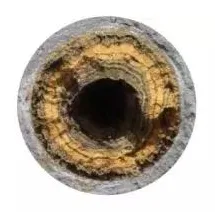
Scale forms when hardness compounds, including calcium and magnesium, precipitate onto heating surfaces as white or gray solid deposits.
Deposits adhere firmly to metal tubes and become harder to remove as they thicken. Uncontrolled scale disrupts operation and significantly impairs heat transfer.
Why Does Scale Reduce Efficiency?
Scale acts as insulation on tube surfaces, restricting heat transfer from combustion gases into the water.
This can cause:
- Higher flue-gas temperature: heat escapes instead of entering the water.
- Higher fuel use: more gas or diesel is needed to achieve the required steam conditions.
- Efficiency may fall by 5–20%, increasing operating costs.
For a 1,000 kg/hr natural-gas boiler operating eight hours daily, a 10% efficiency loss from scale can add substantial annual fuel costs, potentially exceeding NT$10,000 in the example discussed.
How Does Scale Threaten Safety?
Scale is more than a financial issue. Local overheating beneath deposits can weaken metal and cause distortion.
Long-term accumulation can lead to:
- Bulging and rupture: uneven thermal and pressure stress can deform or rupture tube walls.
- Stress concentration: uneven deposits create localized thermal stress and accelerate fatigue.
- Disrupted circulation can cause uneven cooling and misleading water-level behavior.
These conditions can shorten equipment life, injure personnel and interrupt production, damaging both operational reliability and reputation.
Preventing and Treating Scale
The following practices substantially reduce scaling risk:
1. Install and Maintain Water-softening Equipment
Water softeners remove or exchange the calcium and magnesium responsible for hardness. Recommended practices include:
- Check resin performance every six months.
- Replenish salt regularly to maintain softening performance.
- For very hard water, consider a twin alternating softener arrangement.
2. Select and Dose Treatment Chemicals Correctly
Use suitable approved treatment chemicals, including NSF-certified products where the application requires them. An engineer should select formulations and doses for the specific boiler and water conditions.
3. Perform Scheduled Blowdown
Even with softening, impurities can collect in the boiler. Control them through appropriate blowdown:
- Perform bottom blowdown at the frequency required by operating hours and water conditions.
- Drain and renew water at the intervals specified by the maintenance plan, such as quarterly where appropriate.
- Watch discharged water for turbidity, unusual color or sediment.
4. Follow the Annual Inspection and Maintenance Plan
Qualified engineers can inspect internal surfaces and use appropriate cleaning methods to remove persistent deposits and restore heat transfer. Servicing also checks safety valves, sensors and ignition components.
Do Not Let Scale Become an Invisible Threat
Scale is a gradual threat to boiler efficiency, safety and service life. Address it before faults occur. Chuang Ting Boiler and NovaSteam provide water-treatment planning, chemical advice and scheduled servicing to protect production equipment.