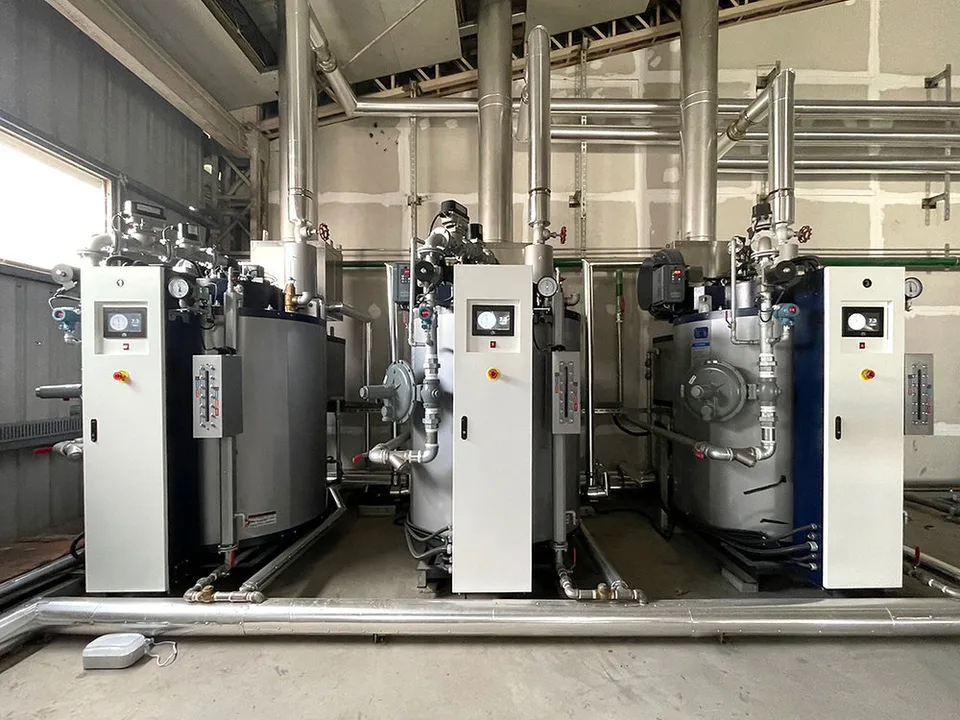
When planning a factory, central kitchen or boiler replacement, you may have asked:
- Do Once-through Steam Boilers Require Statutory Inspection?
- What Qualifications Do Operators Need?
- Are the Regulations Complicated?
- Will the Boiler Be Difficult to Manage?
We hear these questions almost daily. Many first-time customers ask about management before price. Much of the concern comes from unfamiliar regulations. Equipment designed to meet Taiwan’s requirements can be straightforward to use when operated and maintained correctly. This article introduces small once-through boiler rules and explains their use in food factories, central kitchens, biotechnology, pharmaceuticals, electronics and manufacturing.
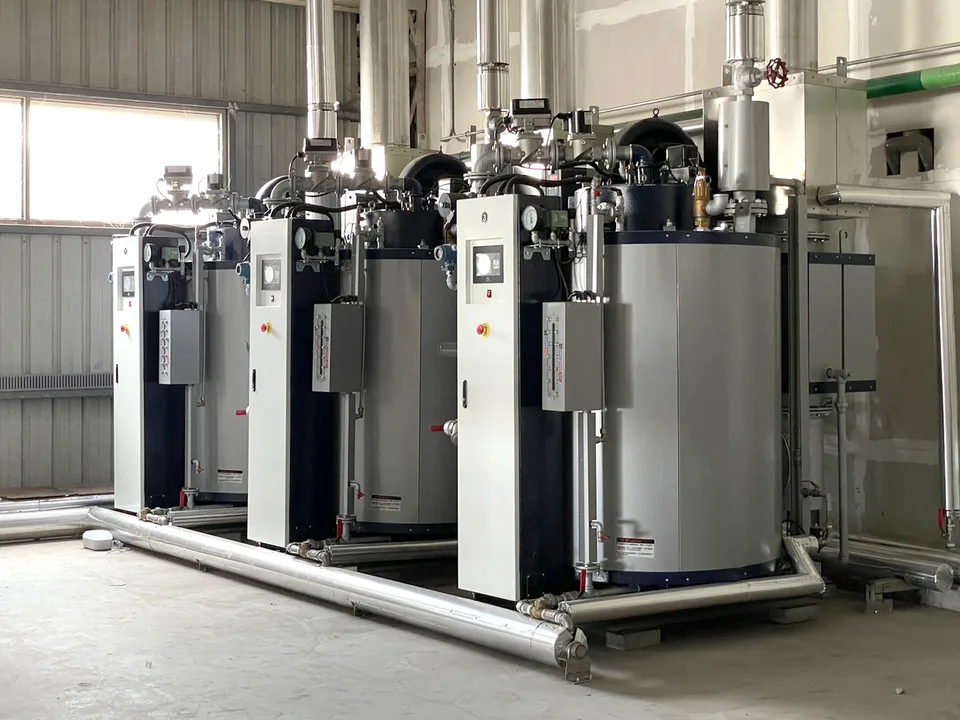
What Is a Once-through Steam Boiler?
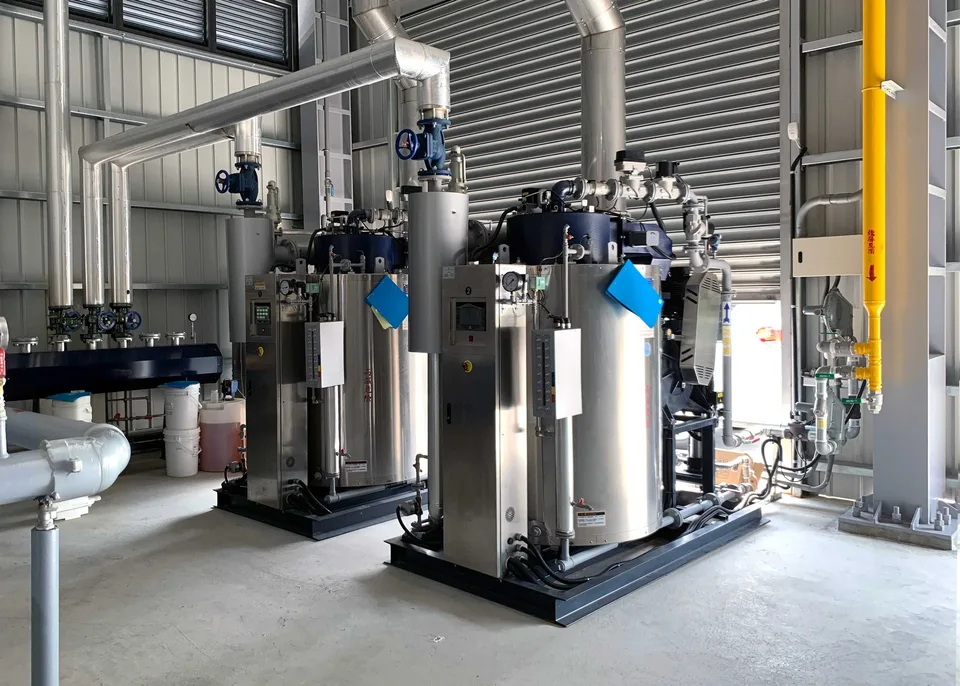
Unlike large conventional boilers, a once-through boiler stores little water or steam. Incoming water heats rapidly and produces steam directly, providing the following benefits:
Fast startup: steam available in approximately 3–5 minutes
- Low water content reduces stored energy
- Consistent steam quality
- High thermal efficiency reduces fuel use
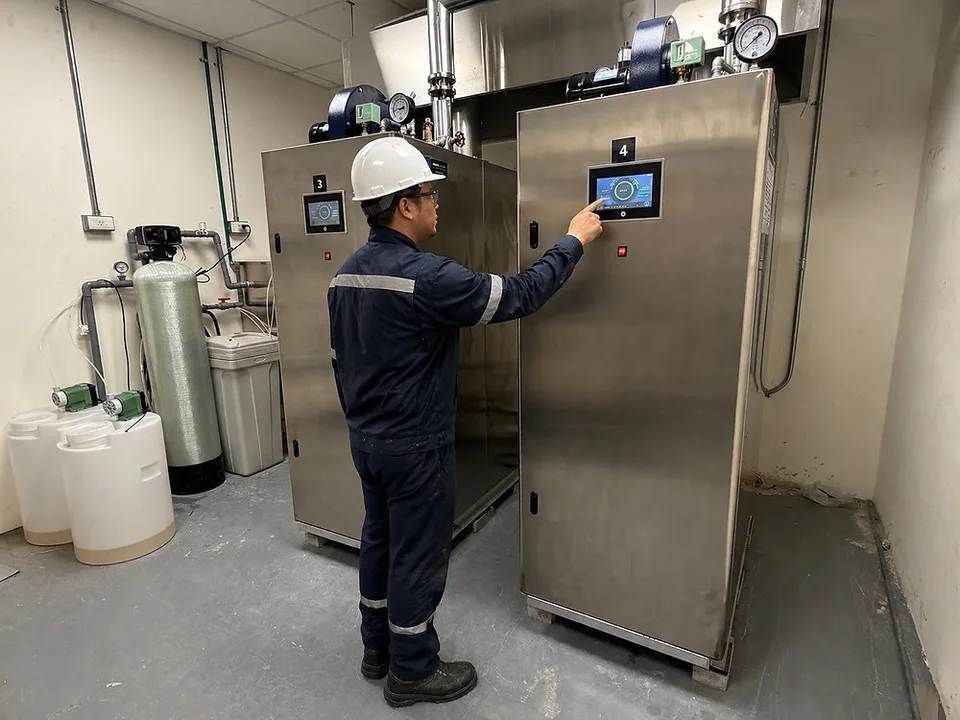
- Highly automated and easy to operate
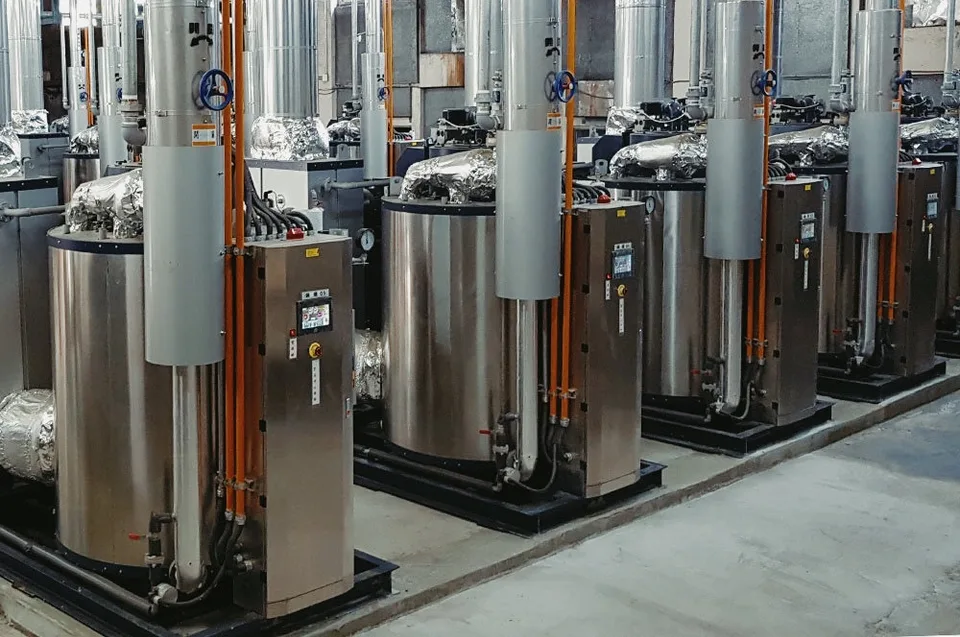
- Compact dimensions and low installation-space requirements
This design has helped make once-through boilers a mainstream industrial steam solution in Japan and Taiwan.
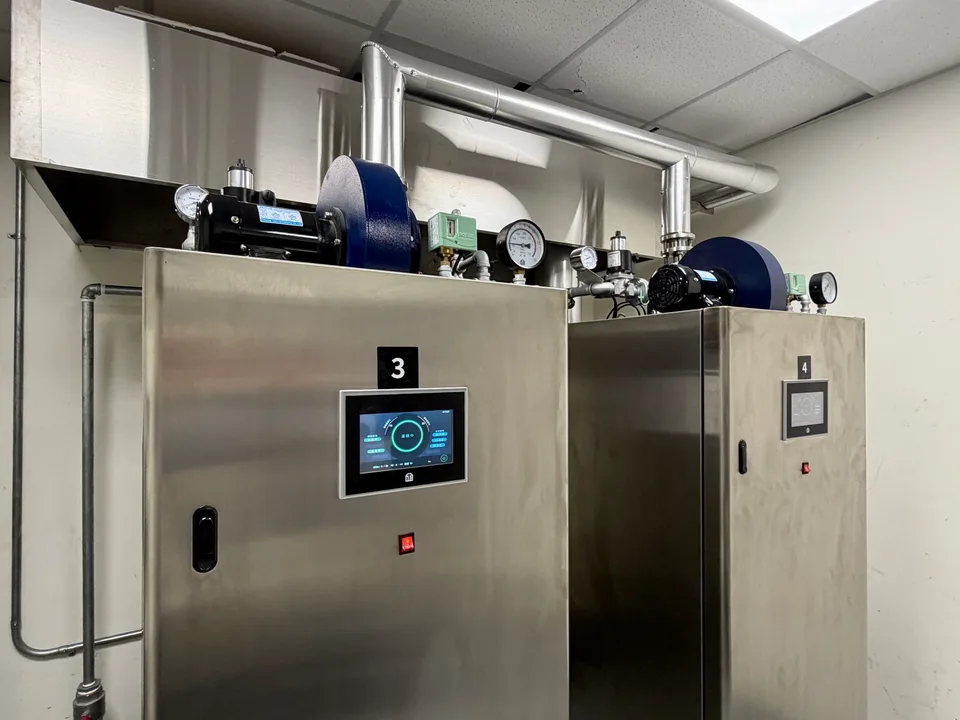
Chuang Ting Boilers Are Classified as Small Once-through Boilers
Article 3, Item 6 of Taiwan’s Boiler and Pressure Vessel Safety Rules defines small once-through boilers by the following conditions:
- Maximum working pressure of 10 kg/cm² or below
- Heating surface area of 10 m² or below
- No large header vessel
- Steam-water separator dimensions meet the applicable limits
Chuang Ting once-through models follow these design requirements and have heating surfaces below 10 m², placing them in the small once-through category. This is one reason customers choose the range.
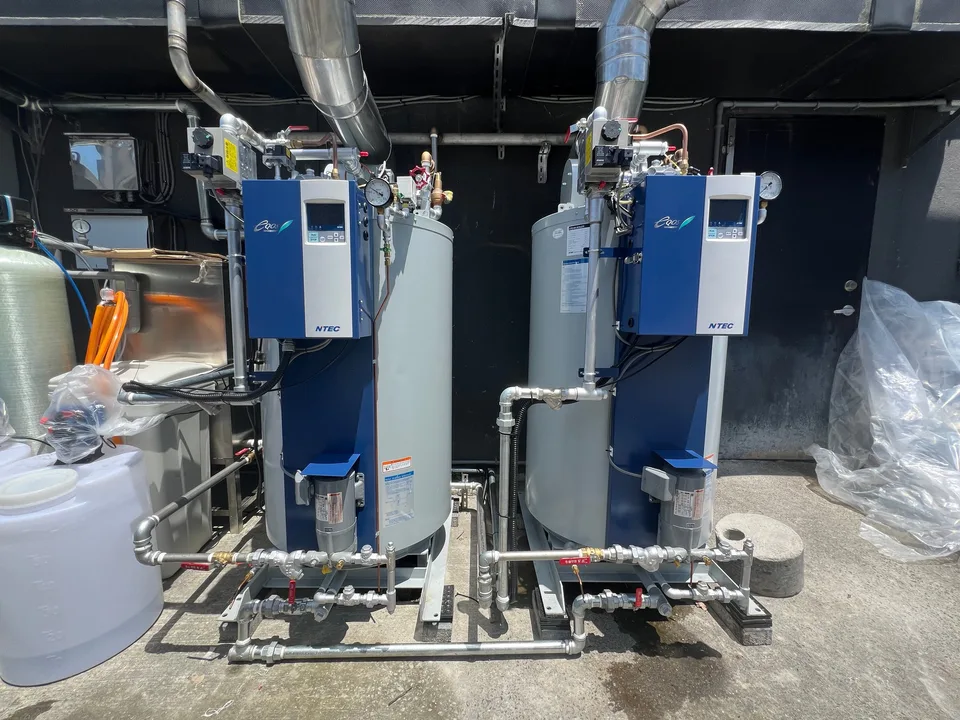
Are Small Once-through Boilers Safer?
Yes.
Large conventional boilers store substantial hot water and pressurized steam, so an abnormal condition can involve more stored energy and stricter management requirements. Once-through boilers contain much less water and produce steam close to the time it is used. Low-water protection, flame monitoring, safety valves, pressure controls and automatic combustion controls stop firing and raise alarms when faults occur. These design differences underpin different regulatory treatment for small once-through and large conventional boilers.
Do Chuang Ting Once-through Boilers Require Statutory Inspection?
This is one of the most frequent questions. Many people assume that all boilers must be managed like large boilers.
Boilers are classified by type, heating surface, pressure and equipment risk. Chuang Ting models fall within the small once-through category, so the applicable small-boiler requirements differ from those for large boilers. This helps explain their adoption in food, central-kitchen, biotechnology, pharmaceutical and electronics applications.
Do Operators Need a Qualification?
Yes: the applicable small-boiler operator qualification is required.
Article 14 of the Boiler and Pressure Vessel Safety Rules addresses operator qualifications, including approved small-boiler operator training or a boiler-operation skills qualification. A Chuang Ting small once-through boiler does not necessarily require hiring a senior boiler specialist. Many companies arrange approved small-boiler training for staff responsible for daily operation.
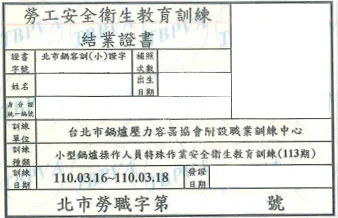
The process can be straightforward without employing a dedicated boiler engineer. Chuang Ting can help customers understand training courses and qualification pathways when introducing equipment.
Course registration: https://www.cshm.org.tw/Training/CourseInfo/H001
Daily Management Can Be Straightforward
People often expect boiler management to take considerable time every day.
Modern once-through boilers generally use automatic controls. Follow the equipment’s operating and maintenance recommendations.
For example:
• Check water level and pressure every day.
• Confirm that the water softener works correctly.
• Perform daily boiler blowdown.
• Replenish water-softener salt regularly.
• Schedule regular maintenance.
• Report abnormalities to maintenance personnel immediately.
These checks are comparable to routine factory-equipment inspections and need not create a heavy management burden.
Water Quality Matters More Than You May Expect
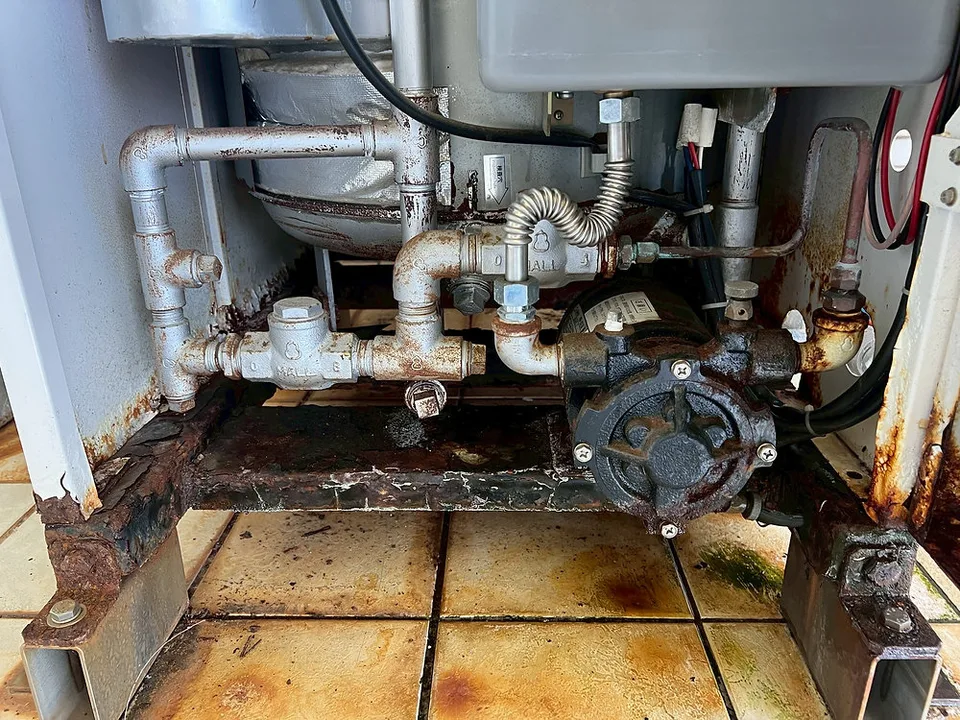
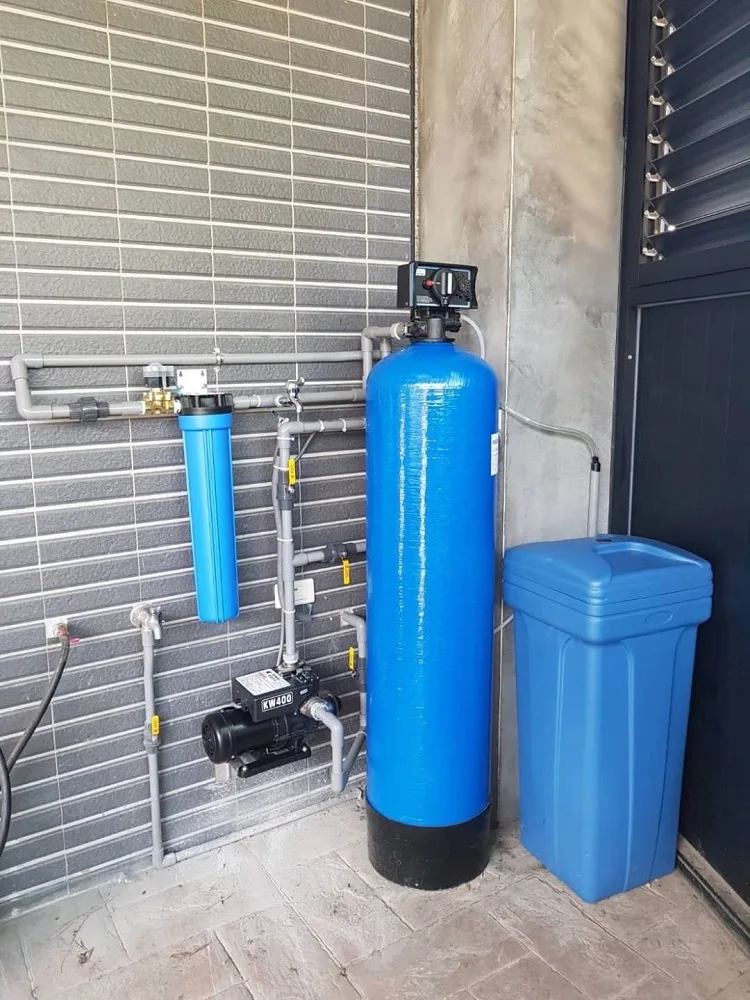
Many boiler faults result from inadequate water treatment. Article 22 of the Boiler and Pressure Vessel Safety Rules also addresses feedwater and boiler-water quality. Long-term hard-water use causes scale, reduces efficiency and can shorten equipment life. Check the softener, replenish regeneration salt, perform blowdown and arrange professional inspections under the maintenance plan. Good water management supports compliance, equipment life and lower repair costs.
Why Are More Companies Choosing Chuang Ting?
A boiler often remains in service for more than ten years, so long-term support matters as much as purchase price. Alongside compliant equipment, Chuang Ting provides planning, installation, commissioning, operator training, maintenance and repairs. At handover, we explain operation, daily inspections and maintenance precautions. Our engineers remain available when service is needed. The aim is a dependable long-term steam solution, rather than equipment alone.
Regulations, inspections and operator qualifications need not prevent you from considering a steam boiler. Chuang Ting once-through boilers are designed to meet Taiwan’s small-boiler requirements, with heating surfaces below 10 m², extensive automation and simpler management than traditional large boilers. Qualified operators, daily checks, water treatment and scheduled maintenance support safe, reliable service. Chuang Ting aims to be a long-term steam-equipment partner, helping customers focus on production while managing equipment and compliance requirements.