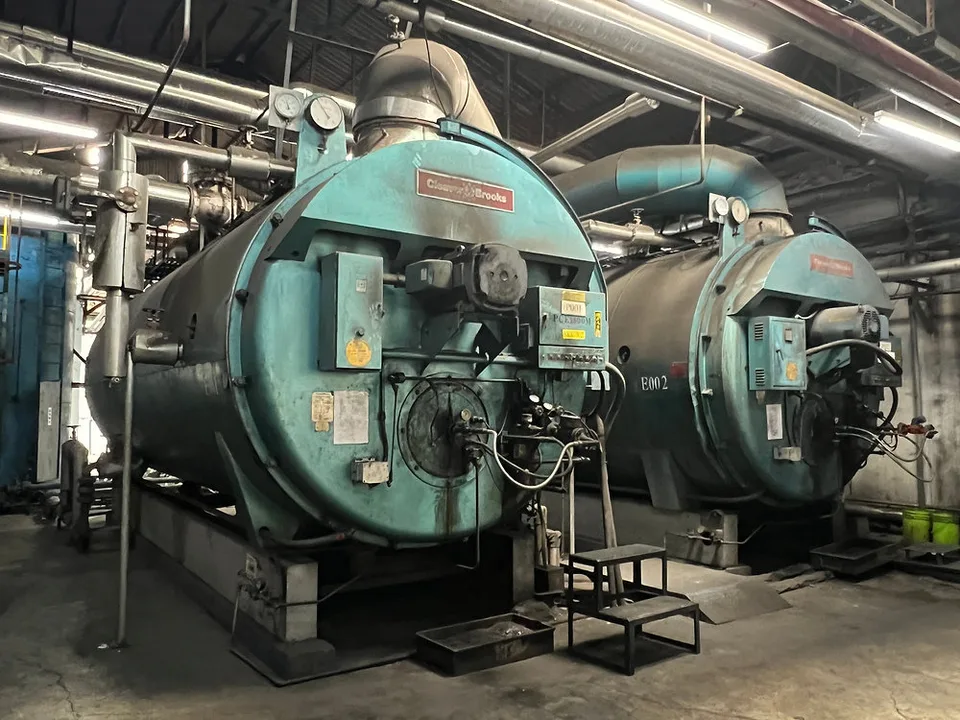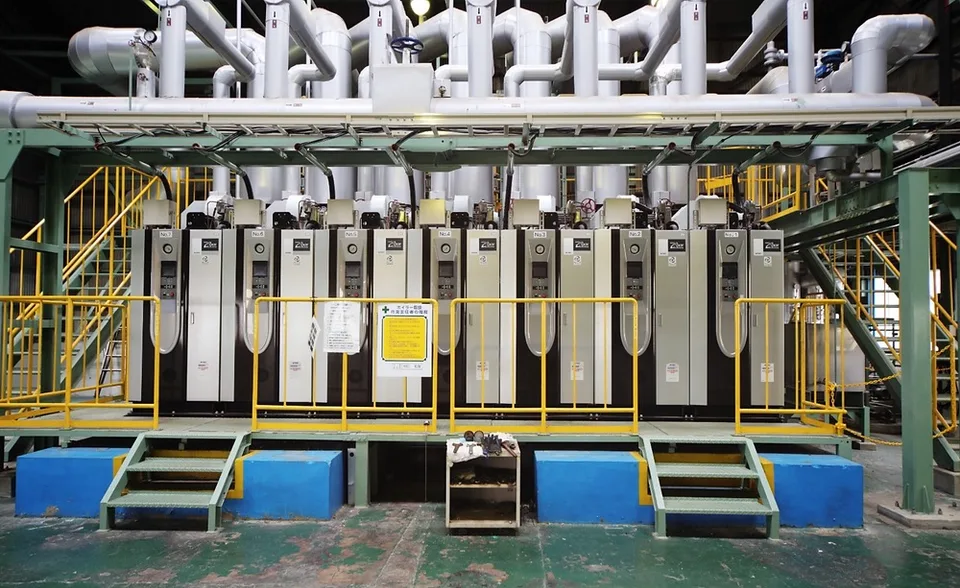
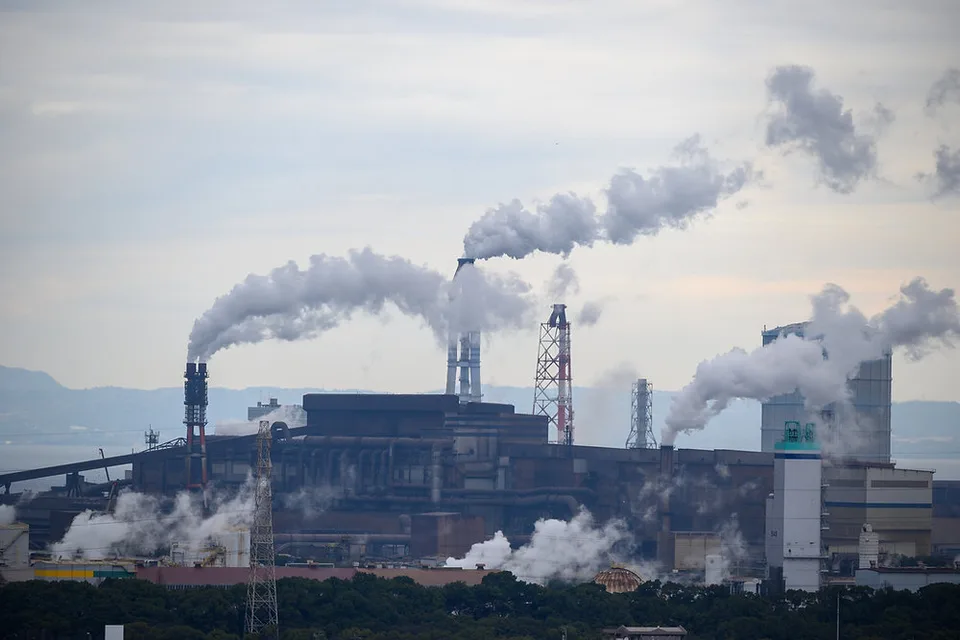
Boilers also have a role in the move toward net zero by 2050. Simply producing steam is no longer enough: energy efficiency and emissions matter. Issue 45 of Boiler Knowledge focuses on boilers and decarbonization, covering international policy, practical technology, carbon inventories, credit applications and industry examples. This article brings the key points together.
Warming Is More Than Weather News: Is Taiwan Warming Faster?
Start with a few figures:
- 2023 was the hottest year globally, at +1.35°C above pre-industrial temperatures.
- A linear climate regression model projects global warming of +1.63°C by 2050.
- Taiwan’s projected warming reaches +2.02°C, described in the source as 1.66 times the global average.
Your factory boiler is both production equipment and a source of greenhouse gases. Poor energy and emissions performance can increase future costs beyond fuel and electricity bills.
Taiwan’s Emissions: Industry Has a Key Role
According to 2024 data from Taiwan’s Climate Change Administration:
- CO₂ accounts for 95.7% of greenhouse gas emissions.
- Industrial combustion systems, including boilers, are major sources of carbon emissions.
- National CO₂ emissions in 2022: 273,683 thousand tonnes
These figures are not only for researchers. Your old boiler contributes to this emissions report every day it burns natural gas or diesel.
Start Saving Energy and Cutting Emissions with Flue-gas Heat Recovery
This technical feature reports that adding sensible and latent heat recovery to once-through boilers can raise overall thermal efficiency above 95%.
Technology Explained
- Sensible heat is the direct heat in hot flue gas, such as cooling it from 200°C to 100°C.
- Latent heat is released when water vapor in flue gas condenses, accounting for as much as 20–30% of flue-gas energy.
Measured results:
- Sensible heat recovery alone improves thermal efficiency by 8–16%.
- Adding latent heat recovery increases overall thermal efficiency by a further 7–10%.
- Combined heat recovery can reach 25.8%.
Bonus: it can also reduce visible white plumes and neighborhood complaints.
Getting Started with Carbon Inventories and Credits
Many companies are now being asked by their supply-chain partners: “Do you have a carbon inventory?”
A carbon inventory is like an energy expenditure statement: it is your entry ticket to green supply chains.
Two Types of Carbon Accounting
- Organizational inventory (ISO 14064-1): company or factory level
- Product carbon footprint (ISO 14067): an individual product or process
Can carbon credits generate revenue? Yes, through the right process.
Verified reductions, such as lower gas use and CO₂ emissions, can generate tradable carbon credits after confirmation by an independent verification body.
Taiwan’s carbon-credit framework includes:
- The Ministry of Environment’s greenhouse gas legislation establishes a voluntary emissions-reduction framework.
- Establish a carbon exchange (scheduled for 2025).
- Carbon fees are also scheduled to be collected from 2026.
Practical Steps
- Implement energy-saving and emissions-reduction measures, such as latent heat recovery or hydrogen co-firing.
- Engage a verification body, such as SGS or BSI, for quantification and reporting.
- List verified carbon credits on a trading platform.
- Credits may be sold to high emitters for eligible offsets or trading.
Emerging Fuels: Hydrogen, Pyrolysis Oil and Biomass
The technical feature also introduces several technologies likely to become more common:
1. Hydrogen co-firing
- Hydrogen combustion produces water without CO₂ at the point of combustion.
- A 10% hydrogen blend by volume with natural gas can reduce carbon emissions by 3.2%.
- A 50% blend can reduce carbon emissions by 21.6%, with significant latent heat recovery potential.
2. Plastic pyrolysis oil
- Convert waste plastic into fuel oil for internal combustion engines.
- Helps address plastic waste and dependence on fossil fuels.
- Pyrolysis oil has a high heating value and potential economic and environmental benefits.
3. Wood biomass pellets
- Co-firing with coal reduces carbon emissions.
- Fly ash can also be recycled as a concrete additive, providing a second benefit.
From Boiler Suppliers to Decarbonization Service Providers
The central message of this issue of Boiler Knowledge goes beyond energy-saving technology: the industry’s role is changing.
✅ From selling boilers to helping customers save energy, cut emissions, obtain credits and meet regulations
✅ From equipment maintenance to carbon inventories, energy audits and carbon trading advice
✅ From a cost focus to sustainability and competitiveness
2050 may seem distant, but Taiwan’s carbon fees arrive in 2026. Are you ready?