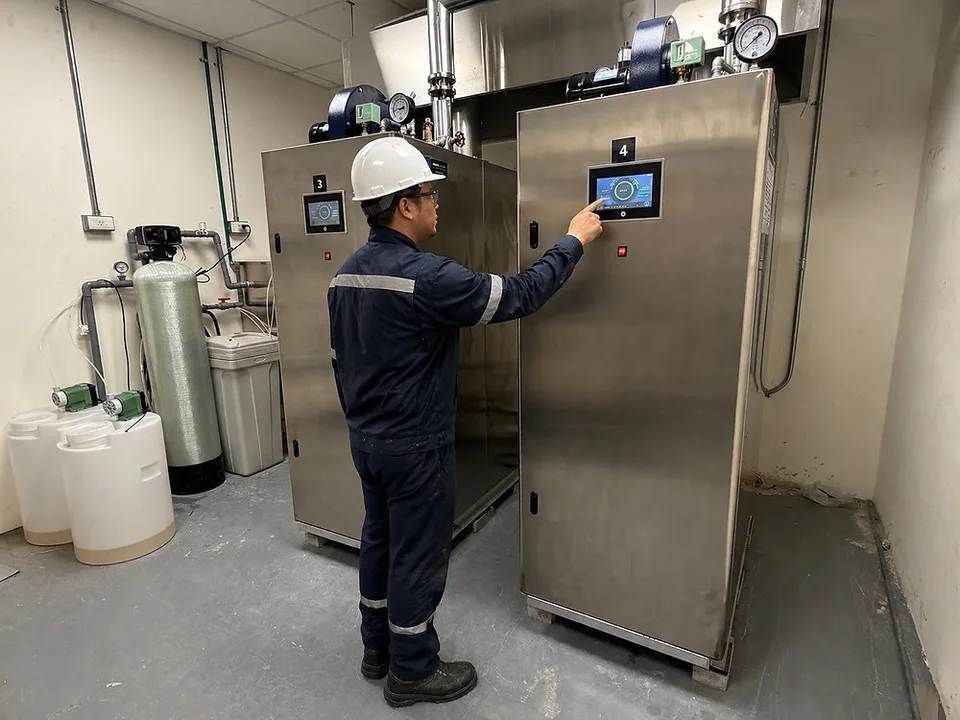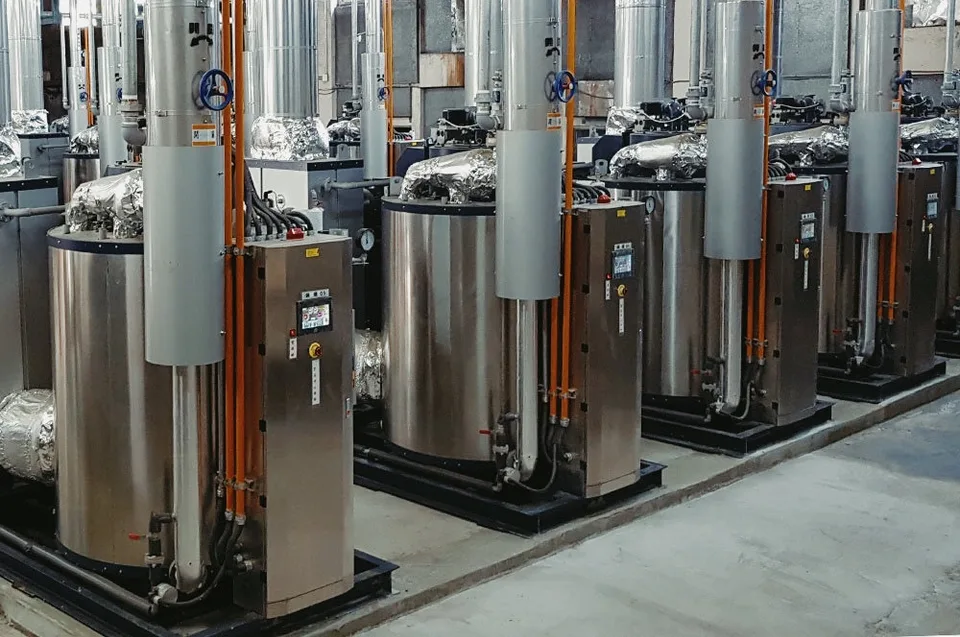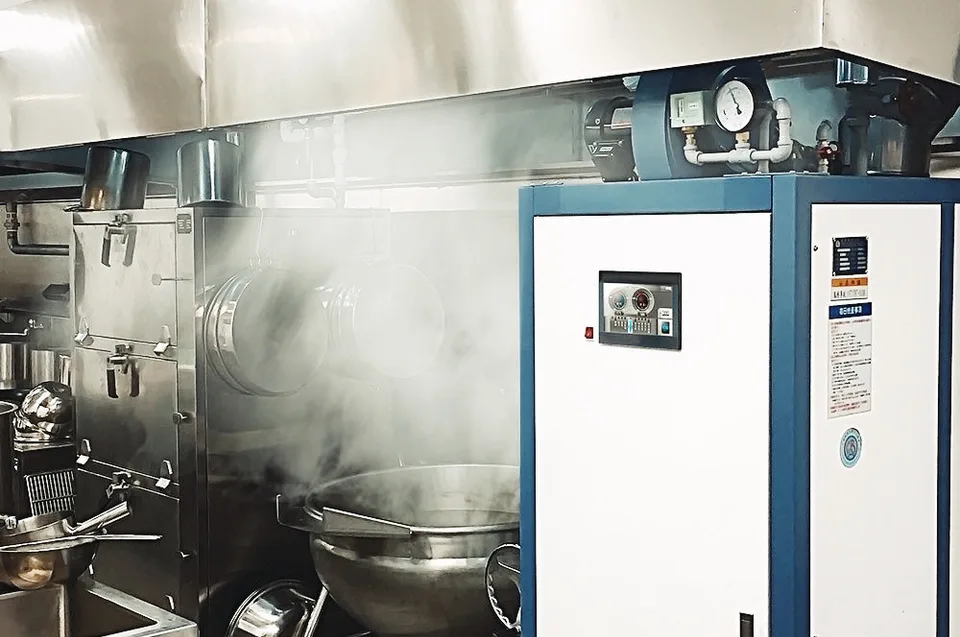
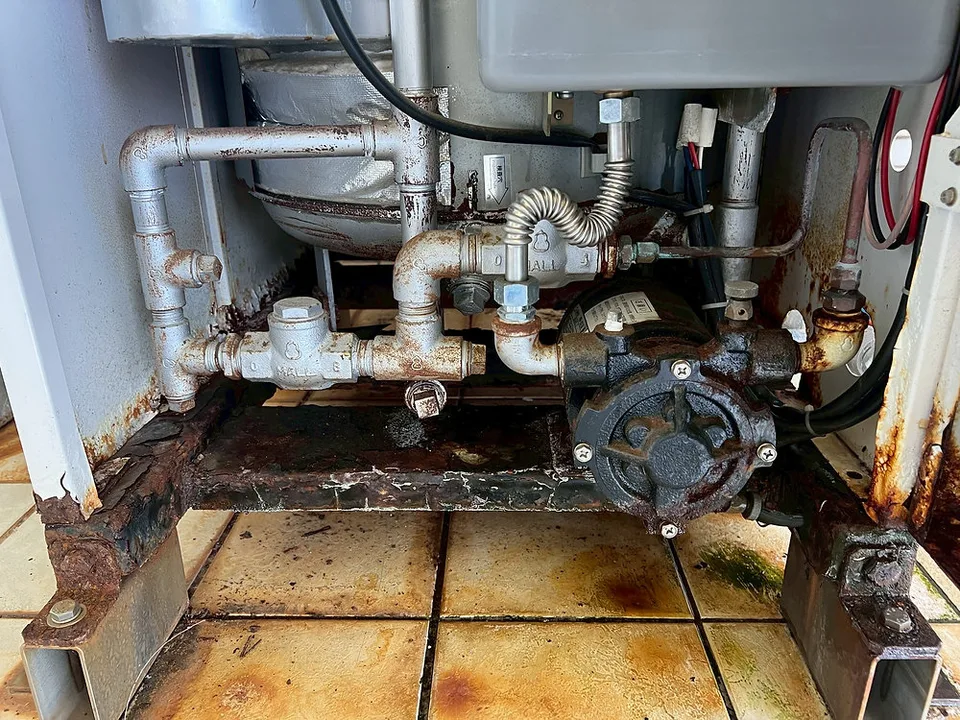
Factories and central kitchens need stable steam. Rising gas bills, slower steam production and increasingly frequent repairs may indicate equipment operating beyond its economical service life.
This guide covers:
✅ How to assess replacement timing
✅ Common aging signs and risks
✅ How to compare repair and replacement
✅ Practical benefits of replacement
1. Boiler Service Life: When Should You Pay Closer Attention?
Typical service life varies by boiler type. The following are industry reference ranges:
Boiler Type
Typical Service Life
Characteristics
Traditional horizontal boiler
15–20 years
Large footprint, lower efficiency and higher risk
Cross flow steam boiler
10–12 years
Efficient, fast-starting and designed for safety
💡 Boilers over ten years old should receive an annual comprehensive condition assessment.
2. Ten Signs of Boiler Aging
1. Noticeably Slower Pressurization
If pressurization now takes ten minutes instead of five, reduced combustion efficiency or internal scale may be responsible.
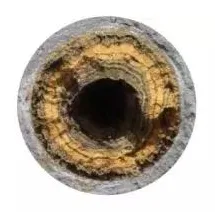
2. Severe Scale Deposits
Severe scale indicates deteriorating heat-transfer conditions.
3. Increasing Repair Frequency and Cost
Service calls increasing from once or twice a year to once or twice each quarter, with rising parts costs, are common warning signs.
4. Continuously Rising Fuel Bills
Rising gas, electricity or diesel bills without increased production can indicate worsening efficiency.

5. Unstable Pressure and Frequent Alarms
Pressure swings, false alarms and slow pressure-switch response often indicate aging sensors or controls.
6. Aging Control Panels and Frequent Board Failures
Obsolete control boards may become unreliable and unavailable as spare parts, forcing replacement of the entire panel at greater cost and downtime.
7. Abnormal Combustion and Flame Appearance
Abnormal yellow flames or black smoke may indicate poor combustion control, low efficiency and increased emissions.
8. Deteriorating Steam Quality, Odor or Contamination
Rust or visible contamination in steam can affect food safety and production reliability.
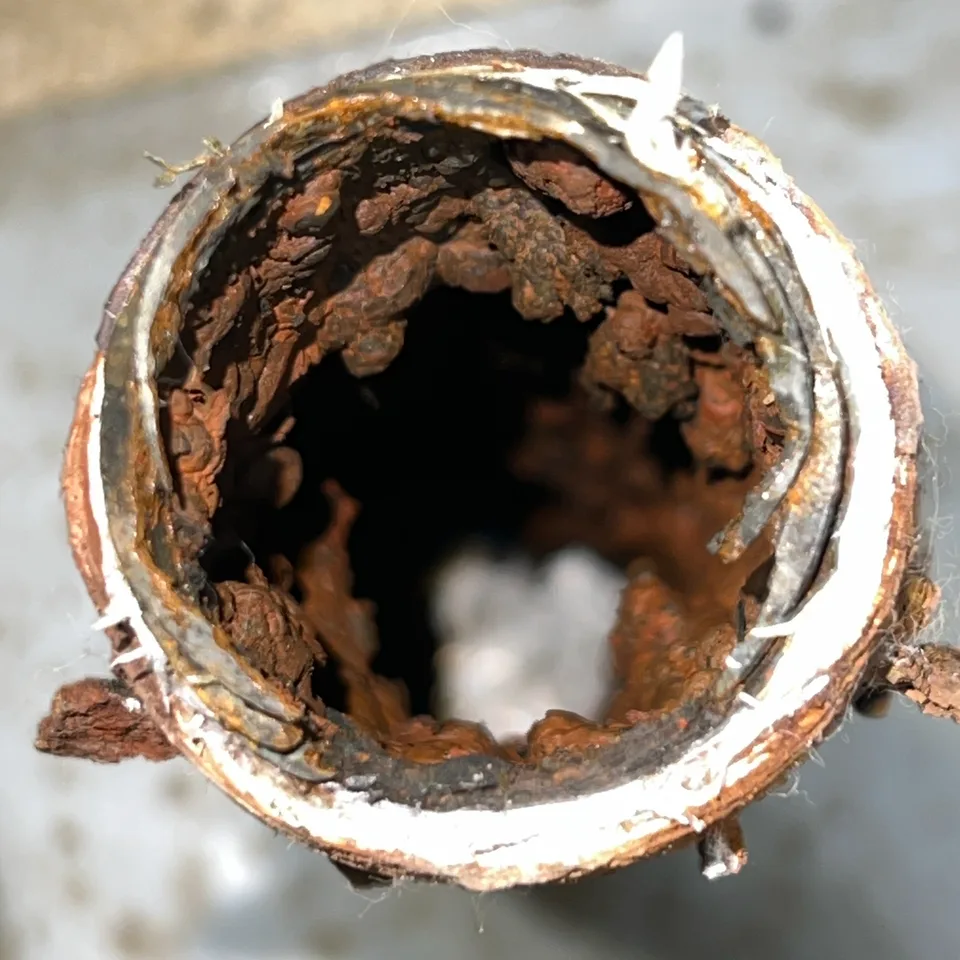
9. Abnormal Water-quality Reports
Persistent corrosion despite treatment and softening indicates a serious condition requiring assessment.
10. Supplier Support and Spare Parts Discontinued
If controllers and boards can no longer be repaired or sourced, the economic value of further repairs becomes limited.
3. Five Hidden Risks of Old Boilers
Risk
Description
security risk
Tube failures or body cracks can threaten personnel safety.
Wasted Energy
Lower energy-conversion efficiency raises operating costs.
Frequent Shutdowns
Repair delays affecting deliveries and capacity
Regulatory Noncompliance
Difficulty meeting energy or environmental inspections can lead to penalties.
Product-quality Risks
Unstable steam affects product consistency.
4. Quick Assessment: Repair or Replace?
Issue
More than ten years in service
Annual repairs reaching 20% of a new boiler’s price
Frequent pressure faults and alarms
Energy bills rising every year
Discontinued parts and aging control panels
✅ If three or more apply, assess whether replacement is more economical than continued repairs.
5. Three Upgrade Benefits: Payback Can Be as Short as Two Years
1. Energy Savings: Potentially 15–30% Lower Annual Energy Costs
Chuang Ting once-through boilers with economizers can achieve up to 96% efficiency, with substantial annual fuel savings depending on operating conditions.
2. Lower Repairs: The Source Compares NT$30,000–50,000 Annually with Several Thousand After Replacement
A suitable replacement can reduce repair frequency, improve parts availability and shorten maintenance downtime.
3. More Stable Production: Faster, Drier and More Consistent Steam
More consistent temperature and pressure improve product quality, particularly in food and electronics production.
6. When to Start Assessing Replacement
- ✅ Equipment reaching 8–10 years of service
- ✅ Planned capacity expansion or relocation next year
- ✅ Changing compliance or efficiency requirements affecting existing equipment
- ✅ Replacement parts becoming unavailable
Plan early to avoid the higher costs of emergency replacement during a shutdown.
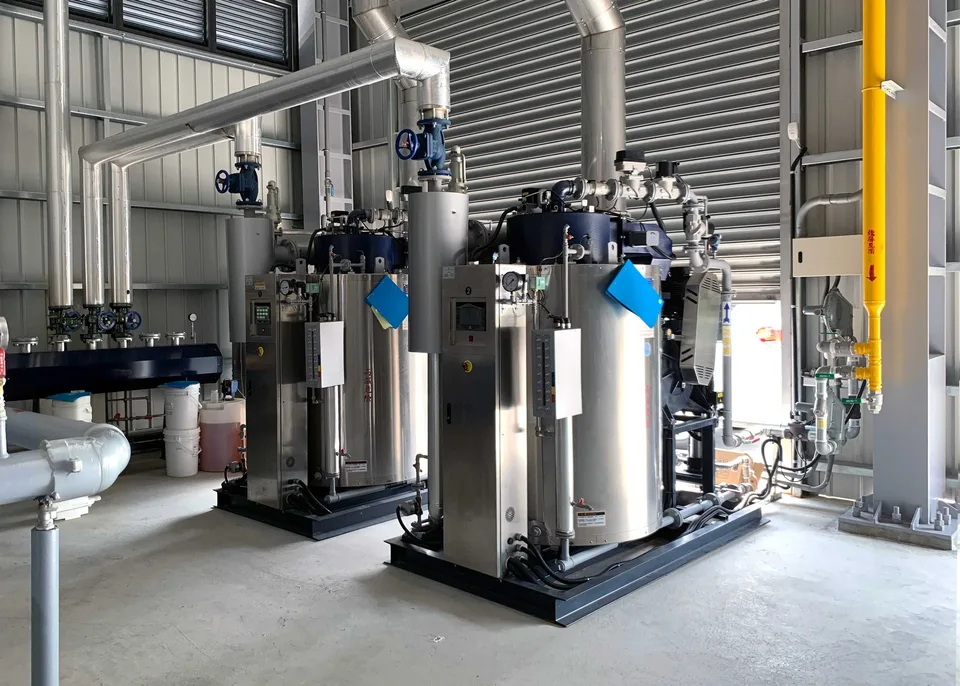
7. Replacement as a Cost-control and Modernization Decision
Old boilers can waste energy and carry hidden risks. Timely replacement can provide:
✅ Annual fuel savings
✅ Lower downtime risk
✅ More stable production and easier staff scheduling
✅ Better product consistency
✅ Update equipment to meet applicable requirements and prepare for future operation