Considering a once-through boiler but unsure about softeners, steam pressure or chemical dosing? These ten common questions explain the essentials in plain language, helping with equipment selection, maintenance and operating costs. Read the guide over a coffee and build your understanding of steam systems.
1. What Is a Water Softener?
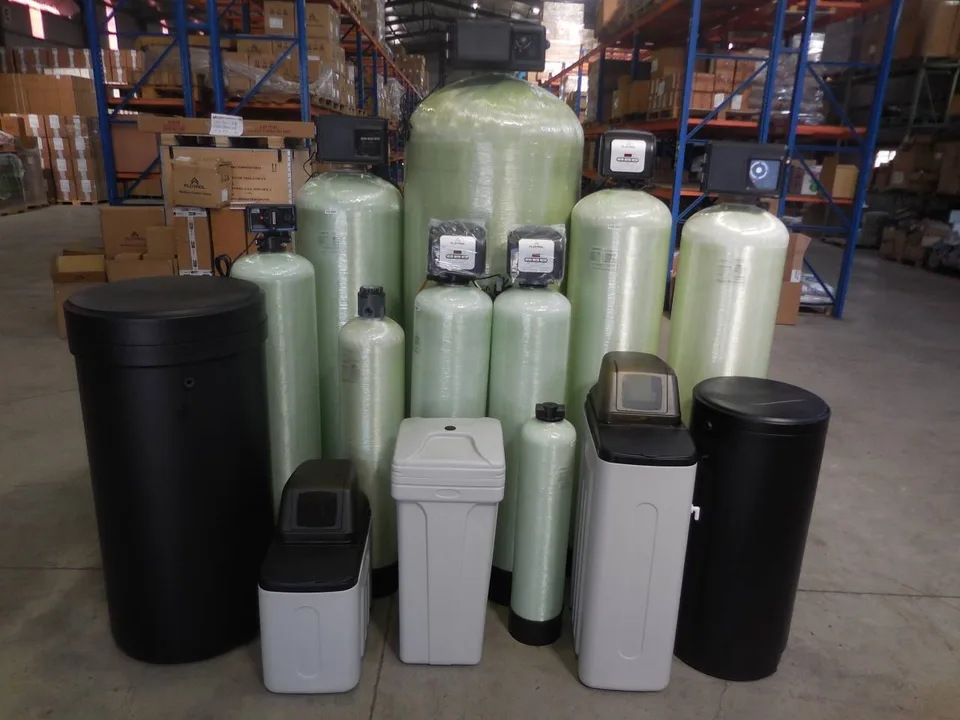
A softener turns scale-forming hard water into softened water. Ion exchange replaces calcium and magnesium with sodium, helping protect heating surfaces. Without effective softening, efficiency can fall, fuel use can rise and service life can shorten. Regenerate the resin with brine as required and keep the salt tank supplied.
2. Why Is a Soft-water Tank Needed?
The softener treats the water; the soft-water tank stores the supply:
- Supply buffer: maintain feedwater during softener regeneration.
- Stable pressure and flow: smoother feed-pump intake helps prevent cavitation.
- Preheating and deaeration: a steam coil can heat water above 60°C to help remove dissolved oxygen.
- Peak buffering: stored water meets sudden increases in demand.
A suggested tank capacity is at least 30 minutes of rated boiler evaporation. Use insulated 304 stainless steel, a float or level switch at the inlet, and an outlet at least 10 cm above the bottom to avoid drawing in sediment.
3. What Is Steam Pressure?
Steam pressure drives flow. Higher pressure allows more heat to be transported within a given volume.
- Food heating commonly uses 1–3 kg/cm².
- Clean steam generators commonly use 6–8 kg/cm².
- High-pressure sterilization may use 10 kg/cm² or more.
Select for the required operating pressure and an appropriate design margin. Too little pressure will not meet demand; unnecessary pressure increases costs.
4. What Is a Chemical Dosing Pump?
A dosing pump accurately adds treatment chemicals to boiler feedwater. Benefits include:
- Accuracy: dosing based on conductivity or flow reduces manual errors.
- Safety: reduce direct staff contact with chemicals.
- Traceability: record dosing quantities and timing.
5. Why Do Boilers Need Water-treatment Chemicals?
Treatment chemicals help boilers resist scale and corrosion and keep deposits dispersed.
Function
Countermeasure
Benefits
Scale Control
Polyphosphates and chelating agents
Reduce crystallization of hardness compounds.
Corrosion Control
Sodium sulfite and amine-based treatment chemicals
Limit oxygen corrosion and stabilize pH.
Dispersion
Polymer dispersants
Keep impurities suspended so blowdown can remove them.
The essential combination: chemicals, soft water, blowdown and testing.
6. What Is a Safety Valve?
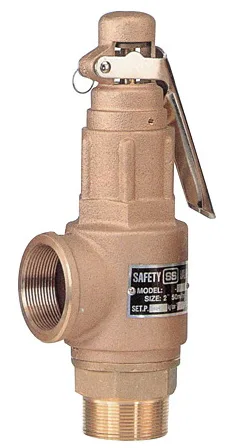
The safety valve is the boiler’s final pressure safeguard. It opens at its set pressure, such as 10 kg/cm², to protect against overpressure. Regular testing and calibration are essential.
7. What Is Scale?
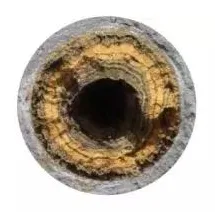
Calcium and magnesium compounds form deposits on heated surfaces at high temperatures.
- 1 mm of scale → approximately 7% more energy use
- 3 mm of scale → approximately 20% more energy use
Softening, chemical treatment and blowdown work together to control scale.
8. What Is a Gas Pressure Regulator?
It reduces incoming gas pressure to the burner’s required level. Uncontrolled pressure can cause:
- Too high: oversized flames, increased NOx and burner damage.
- Too low: failed ignition, unstable flames and frequent trips.
Inspect and replace diaphragms, springs and filters at appropriate intervals.
9. Why Is Daily Boiler Blowdown Needed?
Blowdown removes concentrated impurities from boiler water.
- Intermittent blowdown: a larger discharge from the bottom removes settled solids.
- Continuous blowdown: a small ongoing surface discharge controls dissolved solids.
Too little blowdown increases scale and corrosion; too much wastes heat and chemicals.
10. What Is a Feedwater Economizer?
A feedwater economizer uses heat that would otherwise leave through the chimney to preheat water, saving energy and fuel costs.
Balance Water and Combustion for Efficiency and Safety
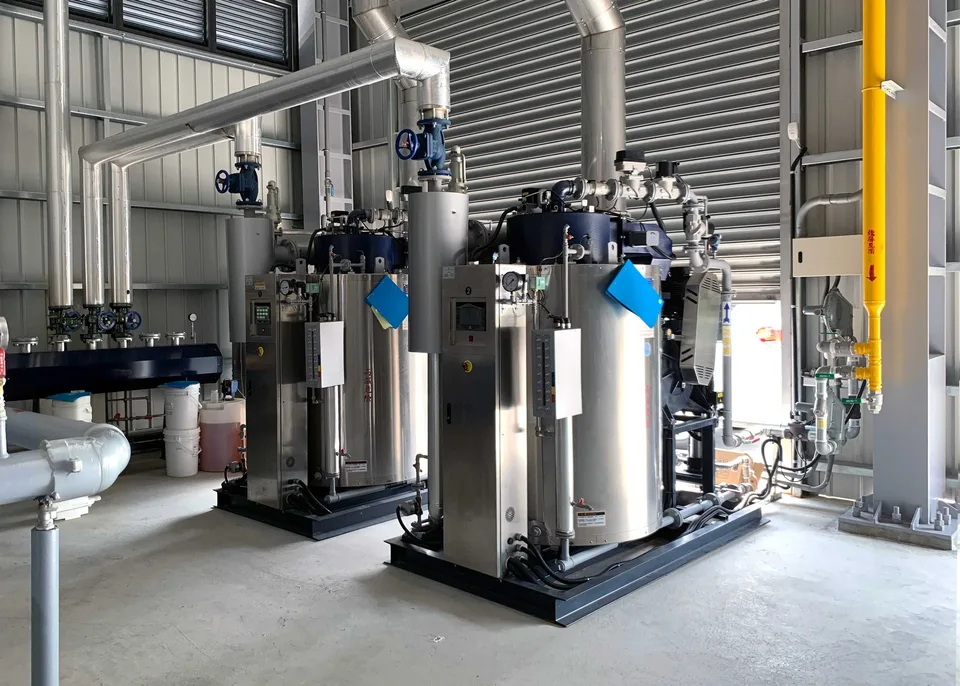
Reliable steam begins with properly treated water and stable combustion. These ten questions cover water quality, fuel, controls and safety to help you understand Chuang Ting boilers. Save this guide or share it with colleagues.