A boiler is equipment that heats water into steam or hot water. Fuel burns in the furnace, the heat passes to the water in the vessel, and the steam or hot water is sent to where it is needed. Cooking, sterilizing, drying and heating in factories, and hot water and disinfection in hotels and hospitals, usually have a boiler behind them.
This article explains, as briefly as possible, how boilers work, the common types, their uses, how to choose one and how to look after it. Each section links to further reading.
How does a boiler work?
Taking a steam boiler as the example, it works in four steps:
- Heating: The burner fires natural gas, diesel or another fuel (or electricity is used) to heat the water above its boiling point.
- Making steam: The water turns into steam under pressure.
- Delivery and use: Steam travels through piping to the process equipment for heating, cooking, sterilizing or cleaning.
- Condensing and recovery: After use the steam condenses back to water, which is recovered and returned to the boiler, saving fuel.
Further reading: How steam boilers work and their main components
What types of boiler are there?
Common industrial boilers fall into five types:
- Water-tube boilers: Water flows inside the tubes and is heated by combustion gas outside them. Suited to higher steam pressures; common in paper, textile and chemical plants.
- Fire-tube boilers: The body is a large shell; combustion gas passes through the tubes with water around them. Common for process heating in food, textile and chemical plants.
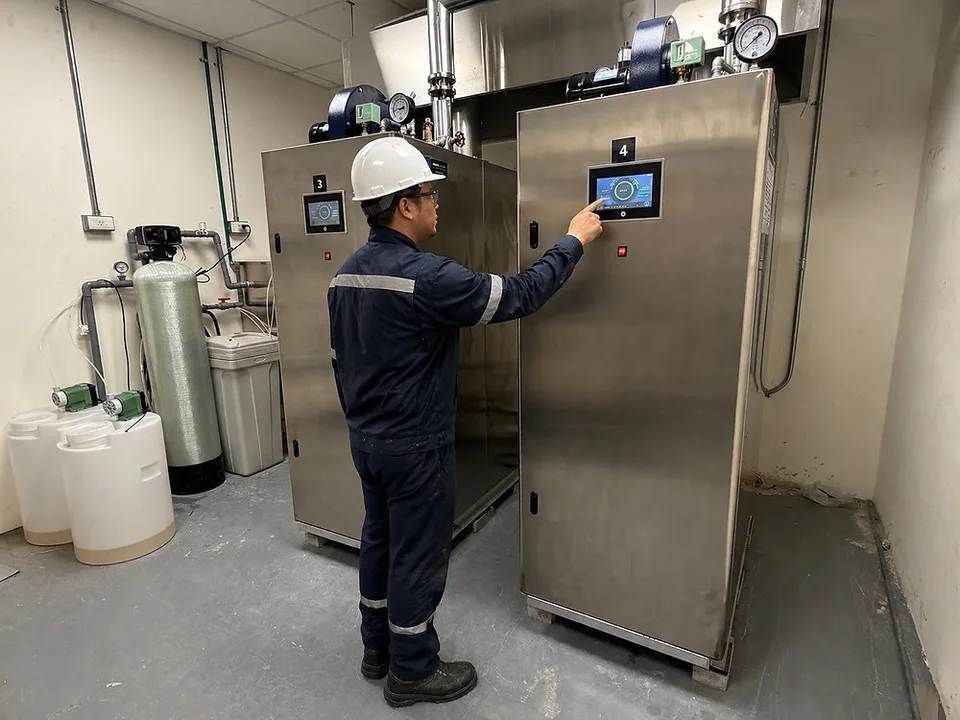
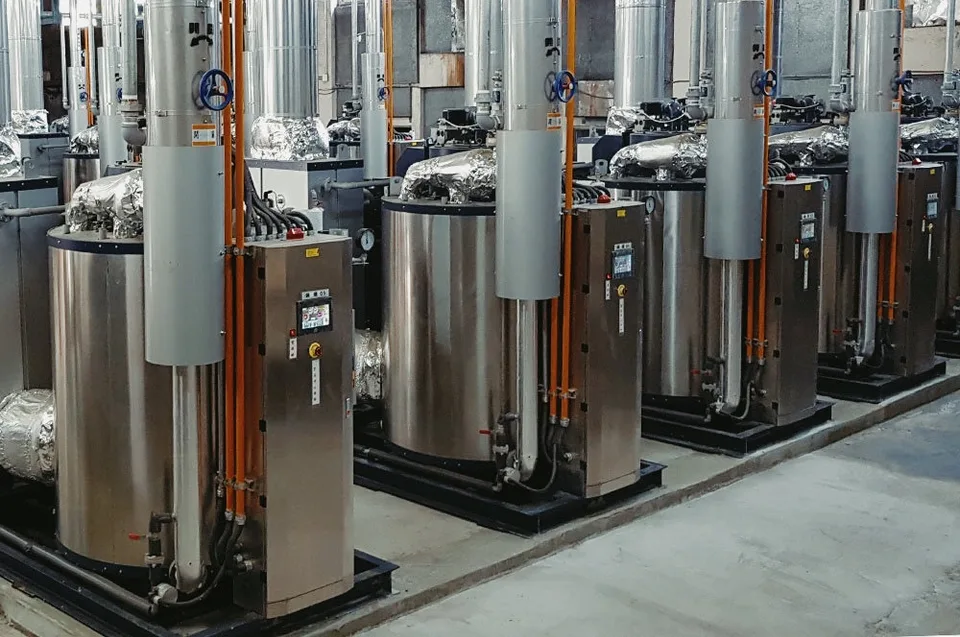
- Once-through boilers: A kind of water-tube boiler with no steam drum. Compact and quick to start; suited to small and mid-sized factories, central kitchens, hospitals and hotels.
- Thermal oil heaters: Use thermal oil instead of water, giving high temperature at low pressure. Common in textile finishing and chemical processes.
- Hot water boilers: Heat water without making steam; used for hot water in hotels, hospitals and heated pools.
By heat source, boilers are gas-fired, diesel-fired or electric. Chuang Ting builds Gas-fired Steam Boilers、Diesel-fired Steam Boilers、Electric steam boilers and Hot water boilers。
Further reading: What types of industrial boiler are there?、Once-Through Boilers: Principles, Pros, Cons and Uses
Which industries use boilers?
- Food processing and central kitchens: cooking, sterilizing and cleaning.
- Textiles and dyeing: dyeing, heat-setting and drying.
- Chemicals and electronics: process heating and cleaning.
- Medical: sterilization and clean steam.
- Hotels and food service: hot water, laundry and kitchen steam.
How to choose a boiler
Before choosing a boiler, confirm four things:
- Steam output: how much steam the site needs per hour (kg/hr).
- Pressure: the steam pressure the equipment needs (kg/cm²).
- Fuel: whether the site can use natural gas, diesel or electricity.
- Space: the size of the boiler room and installation conditions.
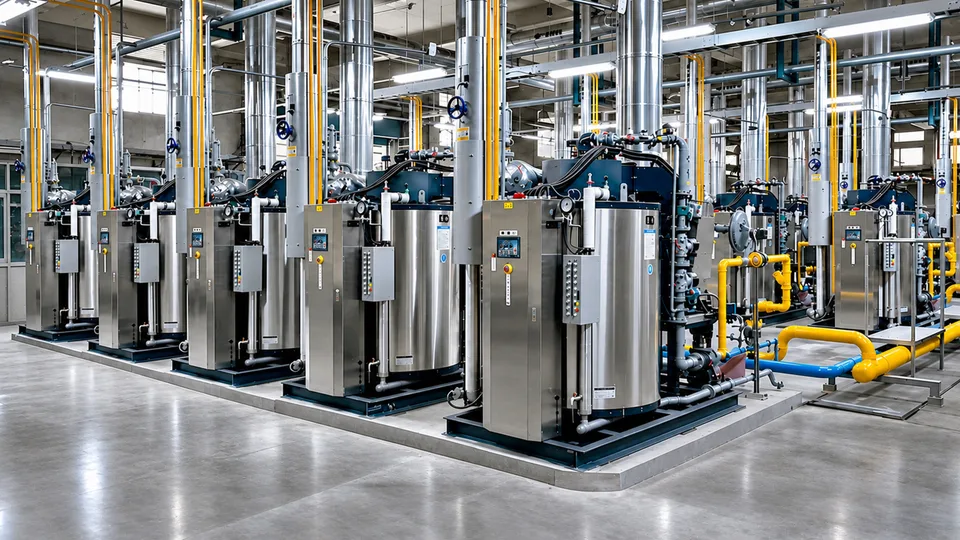
Where steam demand varies, several once-through boilers can run in parallel, with the number in operation following demand.
Further reading: How to Choose the Right Once-Through Boiler
Boiler maintenance and regulations
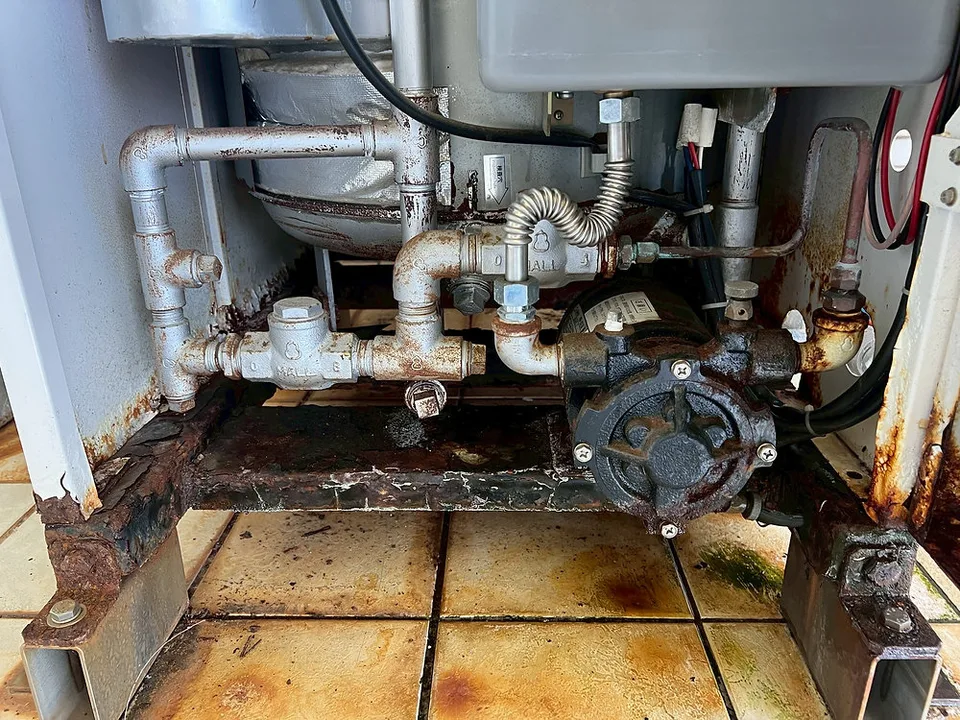
A long boiler life depends on water quality and regular maintenance: hard water causes scale, so fit a water softener, blow down regularly and check the safety valve and control system.
Boilers are also regulated equipment. Operator qualifications and periodic inspections depend on the boiler's type and capacity, so confirm them at the planning stage.
Further reading: Once-Through Boiler Maintenance: A Complete Guide、Once-through steam boiler regulations explained
Need help assessing your site?
Chuang Ting Boiler set up its factory in Kaohsiung in 1994 and designs and builds its own steam and hot water boilers, with 10 service locations across Taiwan for planning, installation, commissioning and maintenance. Not sure which boiler suits your site? Contact us。