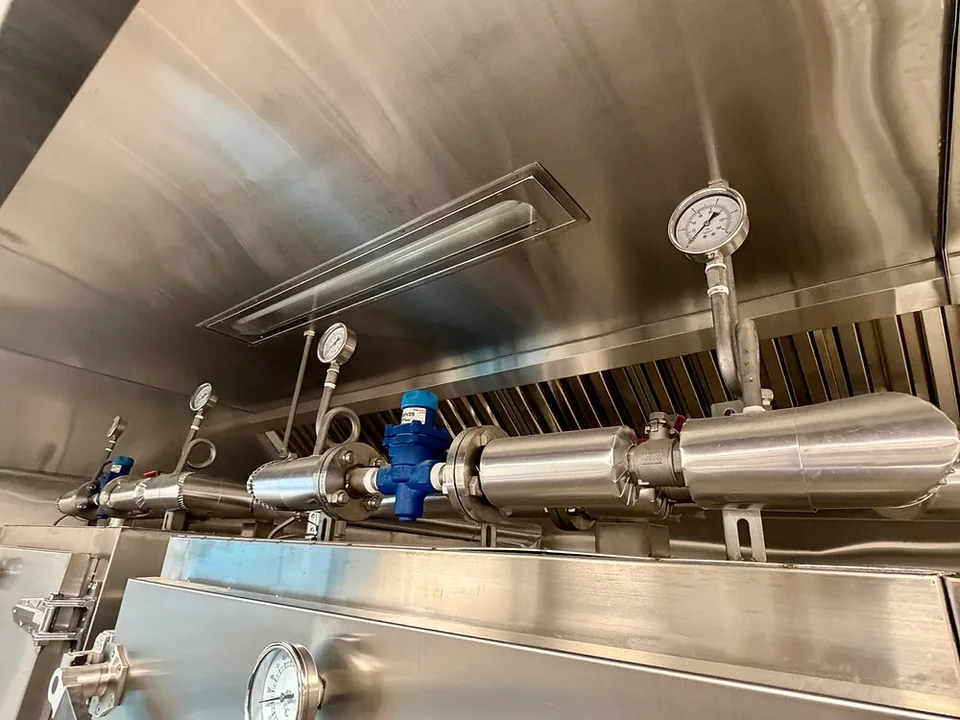
Has your factory also encountered these situations? When I turned on the steam in the morning, the pressure reducing valve made a loud strange noise, which shocked me. The equipment heats up quickly and slowly, making it impossible to control it stably. Not long after the pressure reducing valve was replaced, the outlet pressure began to fluctuate again. At first you may blame the boiler for not having enough power, or think that the pressure reducing valve is not of good enough quality. But in fact, the problem is often not with the pressure reducing valve itself. After on-site inspections at hundreds of factories, I discovered a shocking truth: Even if you buy a high-end pressure reducing valve imported from Japan or Germany and costing tens of thousands of yuan, as long as the installation position is wrong, it may fail within a few months. On the contrary, a cheap Taiwan-made pressure reducing valve can last for several years if configured correctly and maintained properly.
Whether the pressure reducing valve will break depends on two things: "buying the right one" and "installing the right one".
What this article is going to tell you is what you can do to really make your pressure reducing valve last a long time.
Chapter 1 | What is the pressure reducing valve doing? Let’s start with this
Why do kitchens need pressure reducing valves?
Imagine a scenario: The gas stove at home is very powerful, but you don’t need to use the highest heat when cooking. So you turn the small gas switch to control the firepower. This is true for steam systems. The steam pressure produced by the boiler is usually very high (say 7kg), but your equipment may only require 2kg. If high-pressure steam is directly sent in, the equipment will be like being roasted by the highest fire of a gas stove, which will only cause problems.
The pressure reducing valve is the role of "turning the small switch".
It will automatically detect how much steam the device behind it needs, and then adjust the opening. When the equipment uses a large amount of steam, the pressure reducing valve should be opened a little. When the steam consumption of the equipment decreases, the pressure reducing valve automatically shrinks. The whole process is automatic, no manual intervention is required. This is why a good pressure reducing valve is so important - it must be sensitive enough to catch every change in demand.
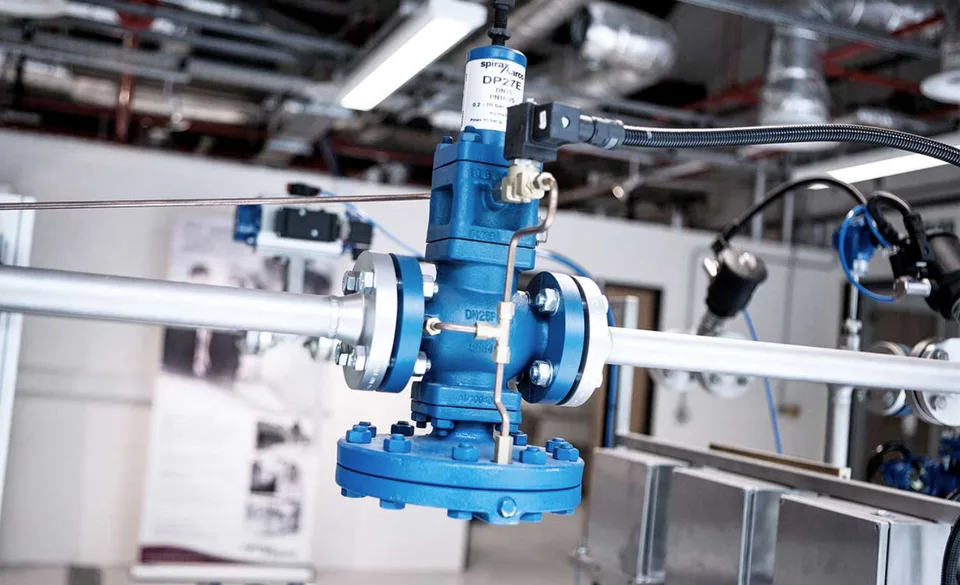
Chapter 2 | Don’t choose a pressure reducing valve based solely on the thickness of the pipe
The most common method of selection (and the easiest landmine to step on)
What do you see most often on site?
"If the supervisor is two inches, buy a two-inch pressure reducing valve."
It sounds logical, but it's totally wrong.
What will happen if you choose this way?
The consequences of buying a pressure reducing valve that is too large:
The factory does not use much steam at noon and only needs 100 kg/hour of steam. It turns out your pressure reducing valve capacity is 300kg/hour. At this time, only a small gap inside the pressure reducing valve is enough.
Here comes the problem - if the opening of the pressure reducing valve is too small, the pressure control will become super sensitive. If the equipment uses a little more steam, the pressure reducing valve will overreact and the outlet pressure will suddenly increase. The equipment uses less steam, the pressure reducing valve overreacts, and the outlet pressure drops.
The result is that the outlet pressure keeps oscillating and the equipment temperature goes up and down.
The consequences of buying a pressure reducing valve that is too small:
On the other hand, what if you buy too small? When peak hours arrive, the equipment requires a large amount of steam, and the pressure reducing valve is fully opened, but the supply is still insufficient. The outlet pressure continues to drop, and the heating rate of the equipment becomes bullish.
The right choice
Real selection should consider these:
- How much steam will be used at most? How many kilograms/hour is needed for a steamer in a food factory during peak periods?
- What is the minimum amount that will be used? How much is needed during the trough period?
- How big is the pressure difference? The entrance pressure of 7 kg should be reduced to 2 kg, and the pressure difference is 5 kg.
- Will it use a lot of gas in an instant? Sterilization equipment may suddenly go from 0 to maximum, and the pressure reducing valve must be able to respond quickly.
- Does steam dry it? Steam containing a lot of water has different selection requirements.
To put it simply: choose based on your actual steam needs, not the thickness of the pipe.
It is recommended to ask the manufacturer to calculate or invite professionals to evaluate. Save this money and you will spend ten times the price on repairs in the future.
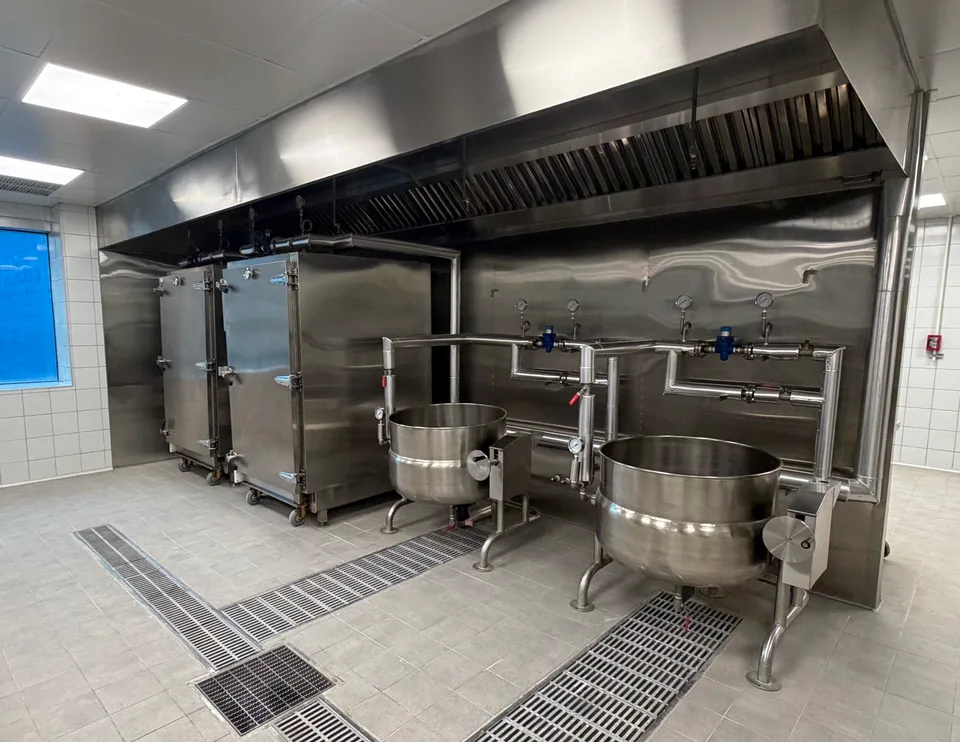
Chapter 3 | Is one pressure reducing valve enough? Of course not enough
Many factory decompression station managers are like this
A stop valve comes in, a pressure reducing valve is placed in the middle, and a stop valve goes out. Finish!
With this configuration, it can barely be used in the short term. But what about three months, half a year, one year later?
- The outlet pressure begins to drift
- Strange noises coming out of nowhere
- The condensed water cannot be drained, causing water to enter the downstream equipment.
- When I wanted to repair it, I found that it couldn't be operated at all.
A "complete" decompression station should look like this
Think of the decompression station as a line of defense, with each level having responsibilities:
First layer: front-end protection
- Stop valve (quickly closed in emergency)
- Y-type filter (interception of welding slag, rust, scale)
- Pressure gauge (check to see if the steam pressure is normal)
Second layer: water removal treatment
- Steam separator (separates water from steam)
- Water trap/trap (to drain away the separated water)
The third level: core control
- Pressure reducing valve (doing the work of regulating pressure)
The fourth layer: security monitoring
- Outlet pressure gauge (confirm whether the pressure reducing valve is working properly)
- Rear end stop valve (emergency isolation)
- Safety valve (to prevent overpressure)
- Bypass group (for maintenance)
Why bother?
Because the steam system is like the human body:
- The incoming steam must be "clean" (filtration system)
- The pipeline must be "drained" (water trap)
- The pressure must be "stable" (pressure reducing valve)
- Pressure must be "monitored" (pressure gauge)
- In the event of an accident, be “protected” (safety valve)
- If something goes wrong, it needs to be "repairable" (bypass group)
Without any link, the entire system is prone to failure.
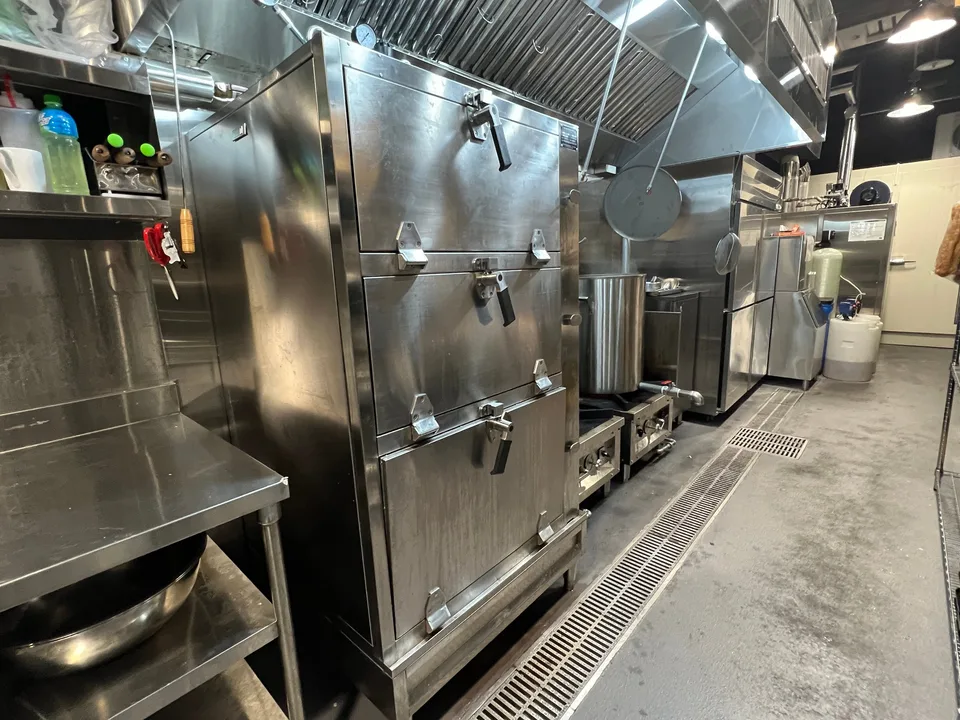
Chapter 4 | This is the most easily overlooked detail: the branch pipe must take steam from above
Why does water accumulate at the bottom of the main pipe?
There is a concept in high school physics called "condensation". When the steam is transported in the main pipe, it dissipates heat along the way. The result of heat dissipation is that the steam turns into liquid water.
The water will sink to the bottom (dense things sink) and slowly flow along the bottom of the main pipe.
If your branch pipe comes out at the bottom, it's like putting a mouthpiece at the bottom of a straw - all you suck in is water.
What happens?
The high-speed steam rushes into the pressure reducing valve with condensed water, like small bullets. The valve core is knocked, the valve seat is scraped, and the diaphragm is impacted.
result?
- The pressure reducing valve makes abnormal noises (dong-dong-dong, squealing)
- The outlet pressure suddenly rises and falls suddenly
- The valve body begins to leak
- Diaphragm cracks
Correct approach: Take steam from above
Take out the branch pipe from the upper half of the steam main pipe and let the branch pipe go upward first. Advantages of doing this:
✅ What is obtained is dry steam, not wet steam with condensed water Reduces water hammer and protects the internal parts of the pressure reducing valve Pressure fluctuations become smaller and the outlet is more stable Extends the life of the diaphragm, which can be used for 2 to 3 more years Reduces abnormal noise and makes the production line environment more peaceful
Important: Just because the branch pipe is taken from above, it does not mean that the entire pressure reducing station must be installed on the ceiling.
You can take steam from above first, and then place the pressure reducing station in an easy-to-operate place according to the site conditions.
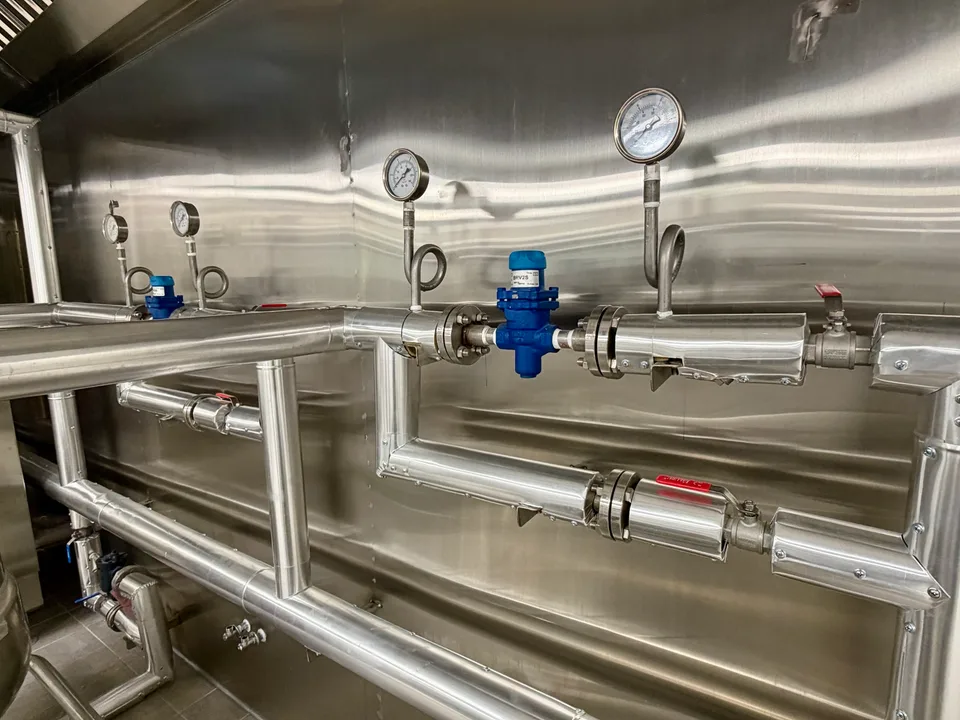
Chapter 5 | If this position is wrong, no matter how good the pressure reducing valve is, it will be useless.
The most common mistakes made on site
In order to facilitate piping, the factory installed the pressure reducing station directly at the lowest point of the entire pipeline.
It sounds like cost savings, but it's actually a time bomb.
Stories that are repeated every day
Factory shutdown at night:
- Main steam valve closed
- The steam in the pipeline slowly cools
- Cooled steam turns into liquid water
- Water flows along the bottom of the pipe to the lowest point
- Throughout the night, several liters of condensation water accumulated in front of the pressure reducing valve.
The next morning:
- At 7 o'clock, the main steam valve opens
- High-speed steam emerges from the boiler
- This steam is like a monster, pushing the entire ball of condensed water forward.
- The entire mass of water - 1,000 times denser than steam - smashes directly into the pressure reducing valve
What tragedy will happen?
Often seen on site:
The pressure reducing valve makes a loud banging sound (like setting off firecrackers) The valve body vibrates violently (the entire pressure reducing station shakes) The outlet pressure surges or plummets instantly (the temperature of the equipment is out of control) The diaphragm cracks (cannot be repaired, the whole thing must be replaced) The flange begins to leak (the gasket is washed out) Downstream equipment also fails (cascading disaster)
Actual cases
A pharmaceutical factory installed a transparent glass tube in front of the pressure reducing valve. Five seconds after turning on the steam the next morning, the entire glass tube was filled with turbid water. The inspection found that the diaphragm of the pressure reducing valve was cracked by 2 mm, and the valve seat was also scratched by particles in the water.
This pressure reducing valve was used for only 8 months before it was scrapped.
how to solve
- Choose the right location: Don’t install it at the lowest point of the pipeline, install it 1.2 to 1.5 meters above the ground.
- Front drainage: Install a water drain to ensure that accumulated water can be drained away
- The pipeline has a slope: When designing, the front and rear pipelines should have an appropriate slope so that water flows toward the water cooler.
- Open slowly in the morning: Don’t open the steam valve quickly. Turn on 30% first, stop for 3 to 5 minutes to let the water drain, and then turn on fully
Chapter 6 | Japanese pressure reducing valve vs German pressure reducing valve vs Taiwan pressure reducing valve, how to choose?
Big comparison of three options
Product source
price
Control accuracy
lifespan
Suitable for whom
Made in Taiwan
Cheap (baseline)
±1~2kg fluctuation
1 to 2 years
Equipment for temporary use and not demanding requirements
Made in Japan
2 to 3 times more expensive
±0.3~0.5kg fluctuation
3 to 5 years
Long time operation and high pressure requirements
Made in Germany
2.5 to 3.5 times more expensive
±0.2~0.3kg fluctuation
3 to 5 years
Precision industry, continuous production line
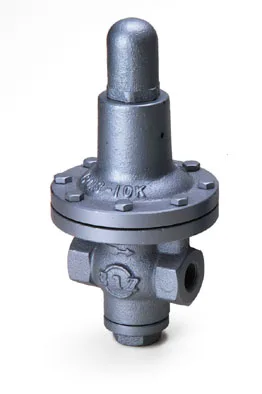
The true status of pressure reducing valves made in Taiwan
Advantages: Low procurement cost, highest CP value Parts are cheap and easy to obtain No problem for small-scale use
Disadvantages: Easy to drift after half a year and needs to be readjusted When the steam consumption changes, the pressure fluctuates obviously Maintenance is required 2 to 3 times a year The diaphragm wears quickly and needs to be replaced every 1 to 2 years
Suitable scenarios:
- small steamer
- cleaning machine
- Temporary steam requirements
- Equipment that is only used 2 to 3 days a week
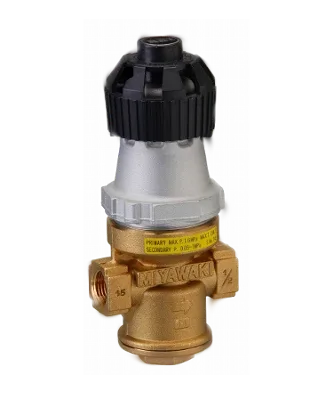
Advantages of Japanese and German pressure reducing valves
Why is it so expensive? Because there is really a difference.
✅ High control accuracy: small pressure fluctuations, stable equipment temperature Durable diaphragm: it needs to be replaced after 3 to 5 years Good material: the valve core and valve seat are made of carbide, which is wear-resistant Strong stability: accuracy is maintained for a long time operation Low failure rate: many factories have used it for more than 10 years
Suitable scenarios:
- Food factory (requires stable temperature)
- Pharmaceutical plants (pressure fluctuations are harmful)
- Electronics factory (precision control)
- Central kitchen (operating around the clock)
- Continuous production line
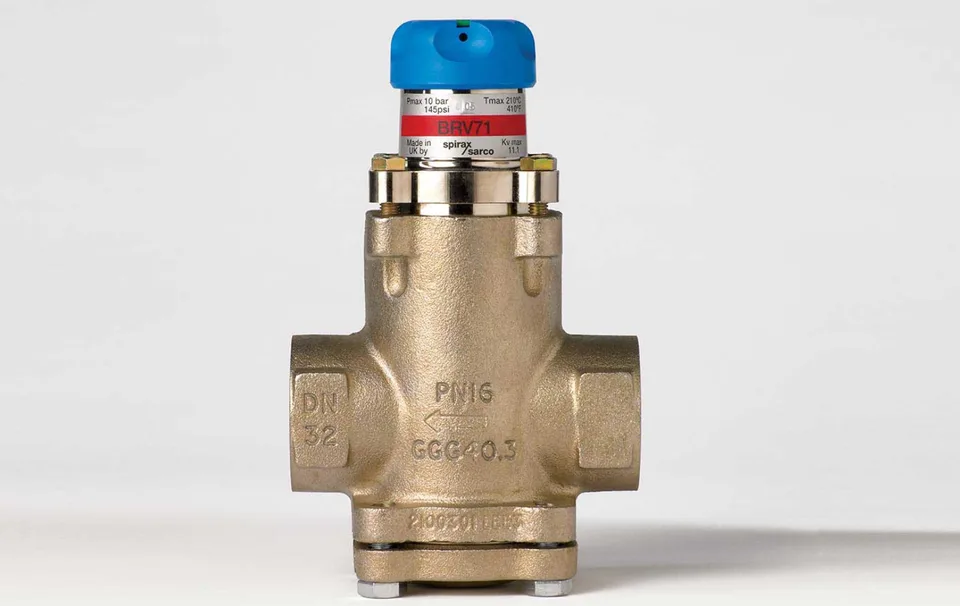
How to make a choice?
With a simple calculation:
If you buy a pressure reducing valve made in Taiwan, the annual maintenance cost will be several thousand yuan, and the downtime loss will be tens of thousands of yuan, totaling tens of thousands of yuan per year.
If you buy a Japanese pressure reducing valve, the unit price is a little more, the annual maintenance fee is zero yuan, and there is no loss in downtime, which totals several thousand yuan per year.
Japanese regulations/German regulations are cheaper.
Key principle: If the equipment is used for more than 8 hours a day, or the steam consumption changes greatly, it will be more cost-effective to invest in a better pressure reducing valve.
Chapter 7 | Why must drainage be done before the pressure reducing valve?
Wet steam is the enemy of pressure reducing valves
Dry steam:
I am gas, light and smooth, passing through the pressure reducing valve smoothly and gently.
Wet steam (steam with condensed water):
There are water droplets on my body, and when they hit the diaphragm, there will be an impact, the control signal will be messed up, and the diaphragm will age prematurely.
There are two dangers of wet steam entering the pressure reducing valve:
- Mechanical damage: Water droplets hitting the diaphragm are like hitting them repeatedly with a hammer, and the diaphragm will break due to fatigue.
- Control failure: the pressure signal felt by the diaphragm is interfered by water droplets, resulting in incorrect judgment and abnormal control.
How important is the soda water separator?
For the following plants, a soda separator is not an option but a necessity:
- The steam main pipe is over 30 meters long
- The factory is in the south (high humidity, lots of condensation)
- Insulation is not done well enough
- When I turned it on in the morning, I obviously saw a lot of water droplets.
The job of a steam-water separator is simple: to separate the free water from the steam.
But there is a trap here that many factories don’t know about.
Many factories have installed separators but forgot to install water purifiers.
What was the result? All the separated water accumulates at the bottom of the separator and becomes another "reservoir".
Separator + water trap is the complete configuration.
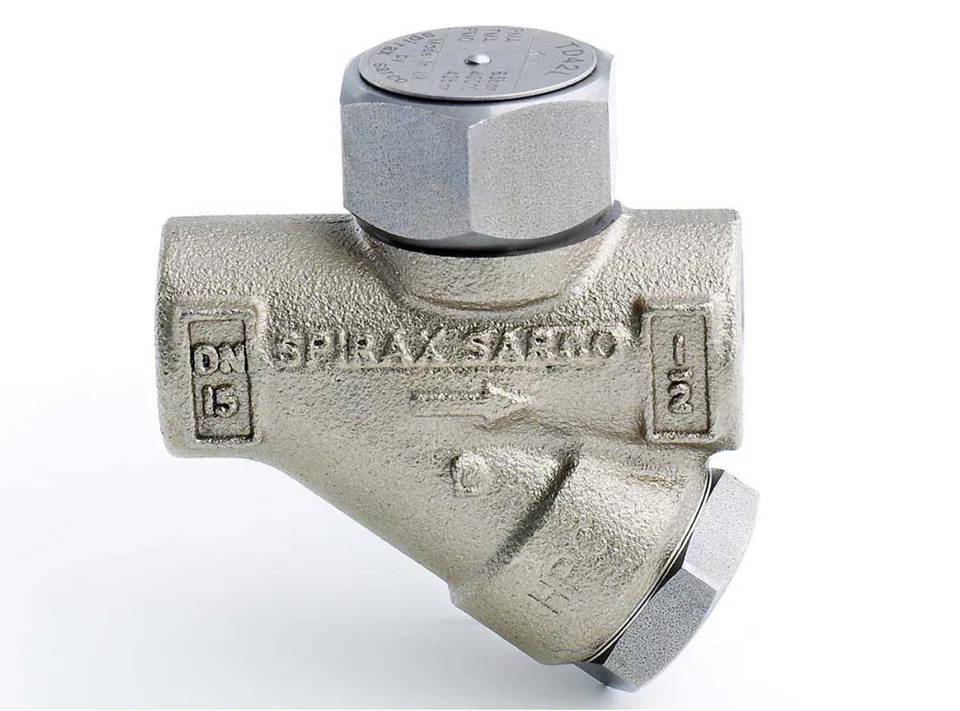
The work of the water drain device: automatically and continuously discharge the separated liquid.
There are two commonly used ones:
- Float type: fast response, suitable for plants with large changes in steam consumption
- Thermostatic type: stable and reliable, suitable for plants with stable steam consumption
Inspection method: Check once a week to see if there are any drops of water dripping out from under the drain. No water droplets? It means that the water drainer is faulty and needs to be replaced.
Chapter 8 | If the filter is clogged, the pressure reducing valve will suffer.
Rust, welding slag, and scale will get stuck in the pressure reducing valve
Do you know what’s inside a steam line?
- New pipeline: welding slag, construction impurities, iron filings
- Old pipes: rust, scale, peeling insulation
These things enter the pressure reducing valve with steam and will get stuck between the valve core and the valve seat.
What happens if you get stuck?
Imagine a grain of sand stuck in the doorframe and the door won't close tightly. The same goes for steam. High-pressure steam will slowly leak from the gap to the back.
Result: The rear-end pressure keeps rising and cannot be adjusted no matter how hard it is adjusted.
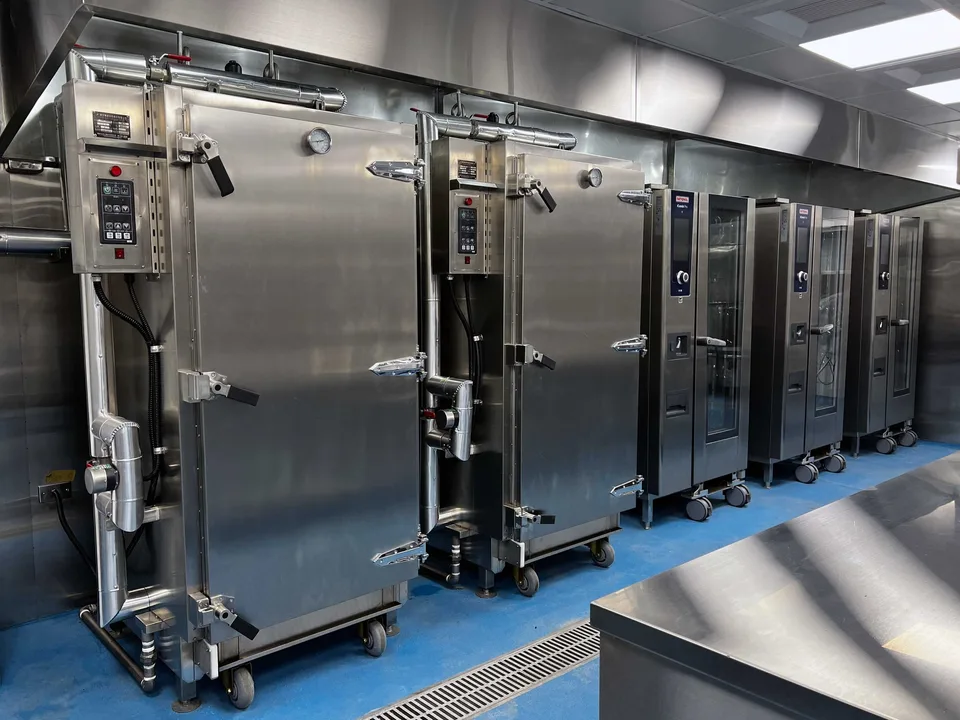
Y-type filter saves your life
The Y-type filter is like a guard, standing in front of the pressure reducing valve to intercept all impurities.
Filter pore size is usually 100 microns (for new systems) or 150 microns (for older systems).
But here is a task that many factories ignore: cleaning
Cleaning procedures for new systems:
- Before supplying steam for the first time, purge the pipeline with high-pressure steam for 10 minutes (blow the inside of the pipeline clean)
- After one week of operation, remove the filter and rinse the filter screen with clean water.
- After that, check once a month. If you find that the filter has changed color (turning black or yellow), clean it immediately.
Consequences of not clearing up:
Once the filter is clogged, the steam flow entering the pressure reducing valve decreases. The factory mistakenly thought that the pressure reducing valve was broken, and ended up wasting time and money repairing it, when in fact it just needed to clean the filter.
Real case: A certain manufacturer never cleaned the filter after installing a new system. Three years later, the equipment heated up slowly. The whole factory thought the boiler was aging and wanted to spend hundreds of thousands to buy a new boiler. After checking the results, it was found that the filter screen was completely blocked, so replacing the filter screen solved the problem.
Chapter 9 | The bypass group is a "life-saving talisman", not a normal steam supply route
The true identity of the bypass group
Bypass groups are like emergency exits on an airplane:
It should be kept closed normally and can only be opened when an accident occurs and rapid evacuation is necessary.
its real use
Assume that at 12 noon, the pressure reducing valve suddenly gets stuck and cannot supply steam. The food factory cannot shut down and the losses are too great.
What to do at this time?
- Quickly close the stop valves before and after the pressure reducing valve (isolate the faulty pressure reducing valve)
- Have trained personnel slowly open the bypass valve
- Temporarily use high-pressure steam supply equipment to maintain basic operation
- At the same time, repair the pressure reducing valve quickly
- After repair, close the bypass valve and return to normal
The bypass team plays this "emergency rescue" role.
Things you absolutely must not do
❌ Open the bypass valve for a long time when the normal steam supply line
Why? Because the bypass valve does not have an automatic pressure stabilizing function. As soon as you open it, high-pressure steam is poured directly into the low-pressure equipment behind it.
Result:
- The back-end pressure instantly rises to the inlet pressure (maybe 7kg rushes into a 2kg device)
- Equipment temperature is out of control
- The safety valve continuously releases steam and wastes energy.
- Heat exchanger may explode
- Increased risk of burns to personnel
Management principles of bypass groups
✅ Lock it up at ordinary times, and keep the key with the person in charge Only trained people can operate it Someone must keep an eye on the pressure gauge during operation to see if the pressure exceeds the setting Cannot leave after opening, must continue to monitor Close it immediately after use, without delay
Chapter 10 | Don’t lose money on future maintenance costs just to save money on plumbing.
Why location selection is so important
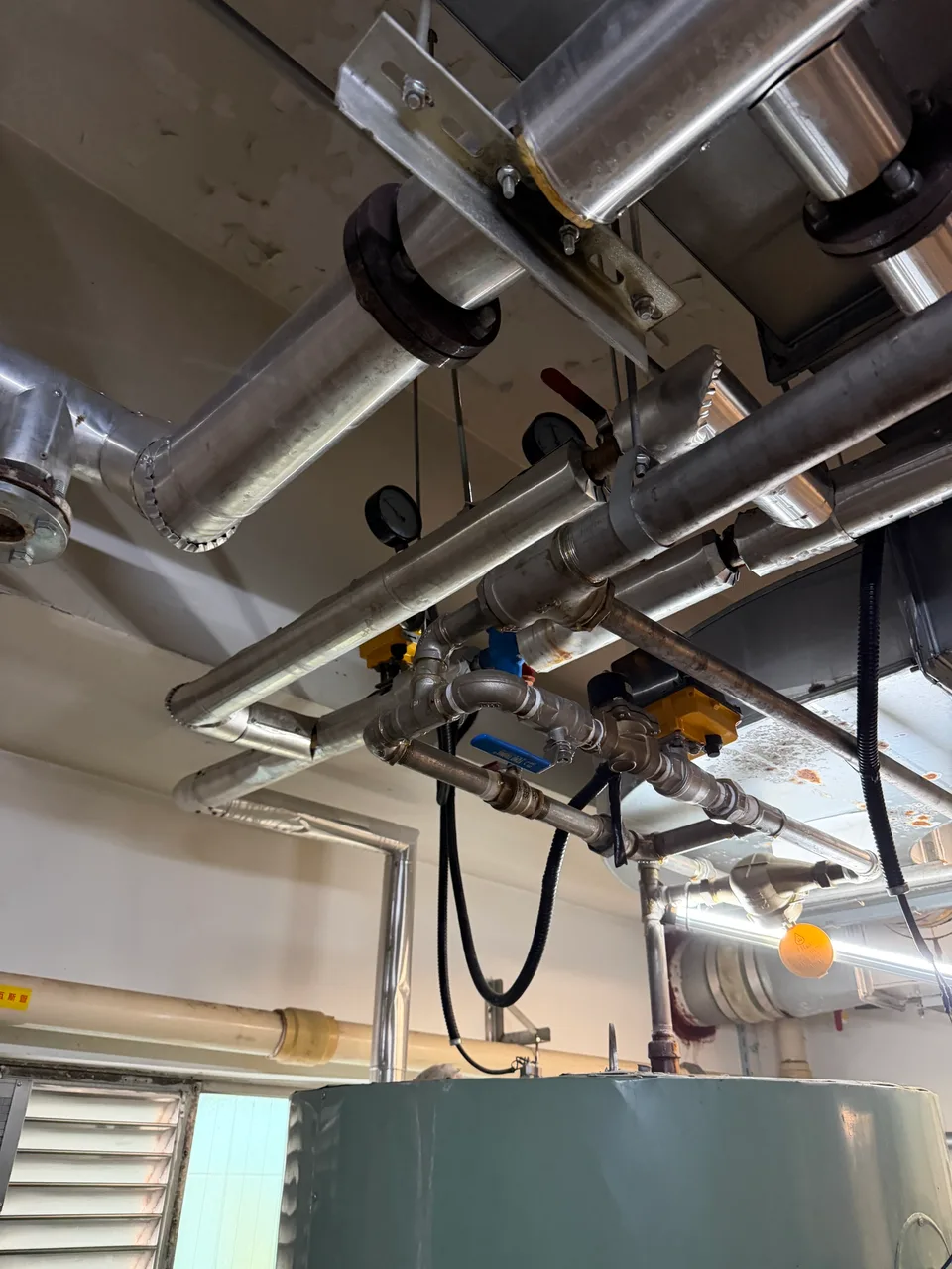
In order to save piping materials, many construction teams directly install the pressure reducing station at a high place, mezzanine, or corner next to the steam main pipe.
It looks neat when finished. But six months later?
The factory director needed to clean the filter and found that he had to climb a ladder. I cleaned the pressure gauge glass and found that it was too high to touch. To replace the diaphragm, you need to build a frame. Check the water drain and remove other pipelines next to it.
Over time, the manufacturer knew that maintenance was needed, but kept delaying it because of construction troubles. In the end, when the actual failure occurred, the loss was far greater than the cost of winding a few more meters of piping.
Where should the decompression station be placed?
To sum it up in one sentence: safe, visible, touchable, and easy to dismantle and repair.
Specific requirements:
✅ 2 to 1.5 meters from the ground (people can stand and operate comfortably) The front and rear pressure gauges are easy to see (no need to stand on tiptoes or lie down) The stop valve is easy to operate (no need to turn hard) There is room for the filter screen to be pulled out (no need to dismantle other things) More than 30 cm of space is left around (convenient to remove the diaphragm) The water drainer can see whether the water drips out (easy to inspect) Will not be blocked by other equipment or pipelines (future expansion will not be affected) There will be no water on the ground (to avoid long-term water damage) The temperature will not be too high (safe for people to pass through)
cost of doing this
Multi-winding piping does increase the cost, maybe 2,000 to 5,000 yuan more. But if insulation is done well, the increased heat loss will be limited.
In contrast, if the decompression station is installed in a completely unrepairable location:
- The construction fee for each repair is doubled
- Extended downtime
- Manufacturers gradually abandon regular maintenance
- Eventually the failure became more serious
Three years later, one unforeseen shutdown loss was enough to offset all the original savings.
Chapter 11 | The 12 most common fatal mistakes on site
Now comes the important point. These 12 problems discovered by Chuang Ting during hundreds of on-site inspections cover almost all root causes of pressure reducing valve failures.
Mistake 1: The branch pipe is connected from the bottom of the main pipe
Phenomenon: Condensate water directly enters the pressure reducing valve, the outlet pressure fluctuates high and low, and the pressure reducing valve makes abnormal noises.
Improvement method: The branch pipe is taken out from the upper half of the main pipe and goes upward for at least 1 meter before entering the decompression station.
Mistake 2: The pressure reducing valve is installed at the lowest point of the pipeline
Phenomenon: After shutting down at night, a large amount of water accumulated. When the steam was turned on the next morning, water hammer impact caused the diaphragm to rupture.
Improvement method: Change the installation position to 1.2 to 1.5 meters from the ground, and set a slope on the front pipeline to allow water to flow to the drain.
Mistake 3: Turn on the steam quickly in the morning
Phenomenon: The condensed water accumulated throughout the night is pushed into the pressure reducing valve by high-speed steam at once, causing an instant overload.
Improvement method: Slowly open the main steam valve to 30% every morning, leave it for 3 to 5 minutes to allow the water to drain out, and then quickly open it fully.
Mistake 4: There is no steam-water separator and water trap in front of the pressure reducing valve
Phenomenon: Wet steam directly enters the pressure reducing valve, the diaphragm accelerates aging, and the control accuracy decreases.
Improvement method: For factories where the distance between the main pipes exceeds 30 meters or the steam contains obvious water, install a steam-water separator and water cooler combination.
Mistake 5: Y-type filter has not been cleaned for many years
Phenomenon: The filter is clogged, the steam flow entering the pressure reducing valve decreases, and the back-end pressure is insufficient.
Improvement method: Clean the new system one week after the first operation, and check it monthly thereafter. Clean the filter immediately if it becomes discolored.
Mistake 6: Select the pressure reducing valve only based on the diameter of the main pipe
Phenomenon: The outlet pressure fluctuates greatly and the control is unstable, requiring frequent adjustments.
Improvement method: Professional selection based on inlet pressure, outlet set pressure, maximum and minimum usage.
Mistake 7: The bypass valve is left slightly open for a long time
Phenomenon: Unable to stabilize pressure regulation, outlet pressure continues to change.
Improvement method: The bypass valve must be completely closed at ordinary times and should only be operated by trained personnel during maintenance of the pressure reducing valve.
Mistake 8: The bypass group is not managed by anyone
Phenomenon: Anyone can operate the bypass valve, causing overpressure in the back-end equipment.
Improvement method: The bypass valve is locked, the key is managed by the supervisor, and the operator needs to sign the operation record.
Mistake 9: The decompression station is installed in a location that cannot be repaired
Phenomenon: Construction is difficult when maintenance is required, and manufacturers gradually abandon regular maintenance.
Improvement method: Confirm the maintenance space during the planning stage. It is better to wind more piping to ensure easy operation.
Mistake 10: The back-end equipment has insufficient pressure resistance but no safety valve
Phenomenon: When the pressure reducing valve fails, the back-end equipment is damaged by overpressure.
Improvement method: Evaluate the back-end pressure resistance value, and install an overpressure limiter or safety valve if necessary.
Mistake 11: There are no pressure gauges on the front and rear ends
Phenomenon: When the pressure is abnormal, the cause cannot be diagnosed and can only be judged by feeling.
Improvement method: Install a pressure gauge with a range of 0 to 10 kg before and after the pressure reducing valve to record the daily values.
Mistake 12: I am only willing to buy expensive pressure reducing valves and do not want to do drainage piping
Phenomenon: Advanced pressure reducing valves still fail quickly in harsh environments, and manufacturers feel it is a waste of investment.
Improvement methods: Piping is equally important as product quality. It is better to use a mid-quality pressure reducing valve with the correct installation than a high-end pressure reducing valve with the wrong environment.
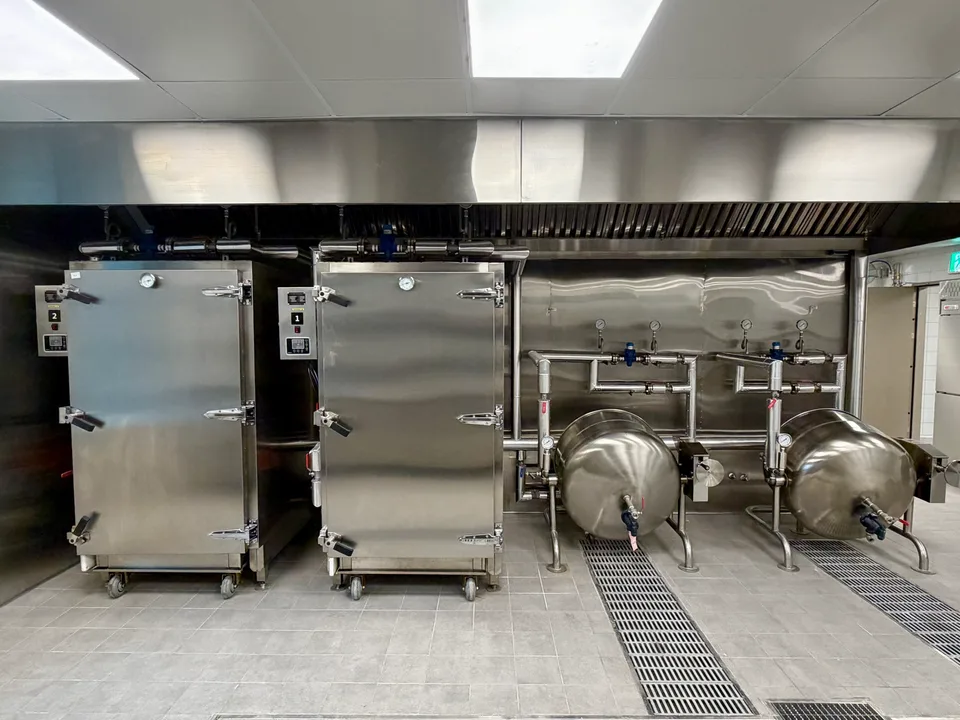
Buying the right product + installing the right product = a long life for the pressure reducing valve
Do you understand now?
Pressure reducing valve failure is often not a brand problem or a weak boiler, but rather a faulty system design, improper installation, and poor maintenance procedures.
One sentence summary
A good pressure reducing valve requires a good installation environment.
On the other hand: no matter how good the pressure reducing valve is, it will retire prematurely in the wrong environment.
An excellent steam pressure reduction station should achieve four goals
- The incoming steam must be dry → take steam from above + separate steam and water
- The pressure to go out must be stable → rely on correct selection + regular maintenance
- The safety of equipment must be guaranteed → rely on safety valve + overpressure protection
- Future maintenance should be convenient → rely on correct location planning + monitoring tools
These four conditions are not "best to have" but "must have".
It’s time to check out your stress relief station
If your facility is experiencing the following issues, it is recommended to do a system check:
- The outlet pressure fluctuates greatly and the equipment temperature is unstable.
- The pressure reducing valve frequently makes strange noises
- I hear a popping sound when I turn on the steam in the morning.
- The pressure reducing valve had just been replaced and something went wrong again not long after.
- Water accumulation is often seen at the bottom of pipelines
- The filter has not been cleaned for a long time
- The decompression station is too high or too crowded to maintain
Replacing the pressure reducing valve with a more expensive one will not solve the problem. Check installation and maintenance first, that's usually where the problem lies.