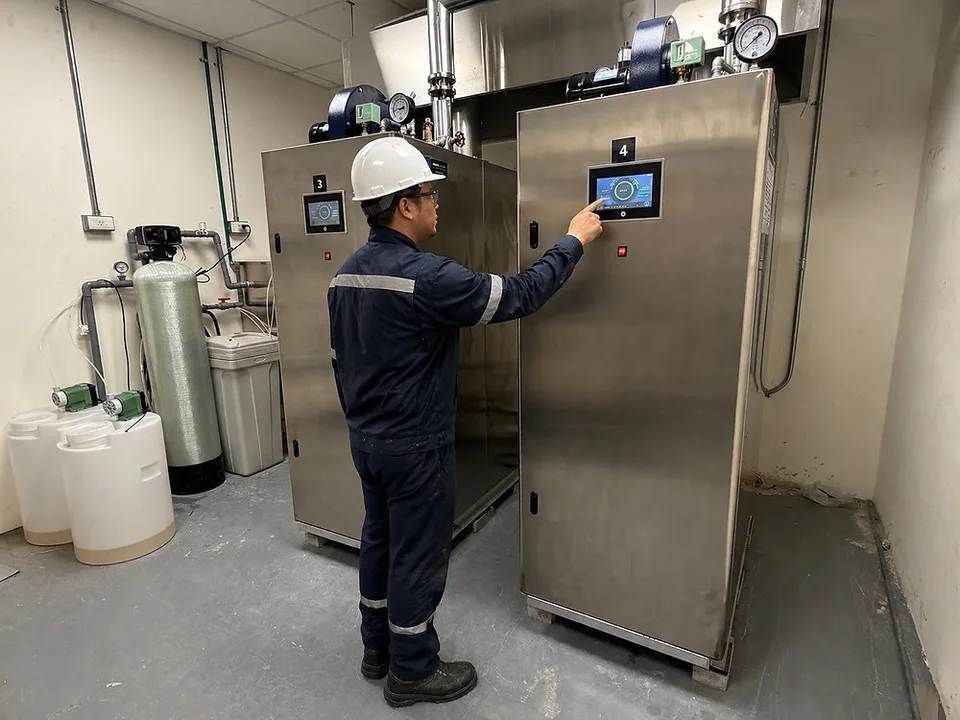
When many customers evaluate steam boilers, their first words are almost the same:
"How much does this one cost?"
But as long as it is a factory that has experience and has had accidents before, the questions will be completely different:
"If it breaks in the middle of the night, how long will it take for you to arrive? Can you handle it on the spot?"
These two kinds of questions represent two levels.
One is buying equipment, and the other is buying "risk control."
This is not an idea, it is a reality that happens every day.
1. They look similar on the surface, but the real difference lies in the “invisible place”
To be honest, if you only look at the catalogs of the steam boilers currently on the market:
- Can produce steam
- All have basic security protection
- The efficiency numbers won’t be much different either.
Many people will think when they see this:
"Then just choose the cheap one."
But the problem is-
👉 What you see is only the device itself.
What will really widen the gap are the key points that cannot be written in the catalog:
- Is the control system stable or not (not whether it exists, but whether it works well or not)
- Combustion adjustment ability (can it be adjusted optimally on site)
- System integration capabilities (boiler + pipeline + site conditions)
- Processing speed and judgment ability when problems arise
These things will not appear on the quotation, but will directly determine whether you will use it smoothly in the future.
So the real difference is not:
👉 "Can this one be used?"
Instead:
👉 "Can this system be stable for you to use for a long time?"
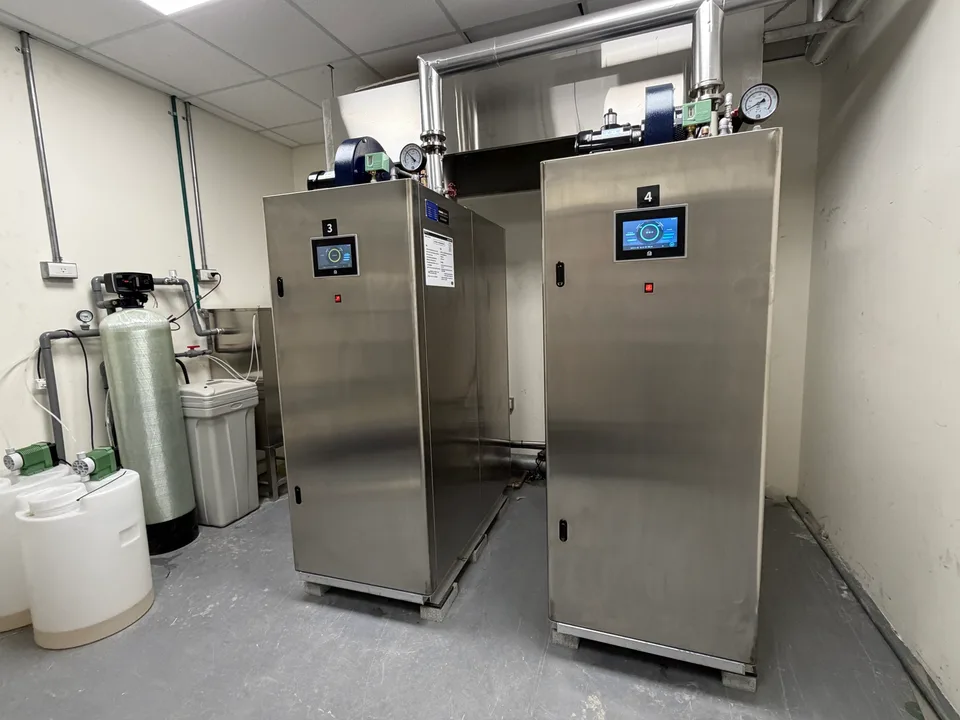
2. What really makes the factory lose money is not the price of the equipment, but the downtime.
Let’s take a look at a very real scene situation:
In a food factory, at 9 o'clock in the morning, the steam boiler suddenly tripped.
The next step is not "just fix it", but:
- The entire production line was immediately shut down.
- All people on site are stuck
- Semi-finished products are stuck on the machine table
- Shipping time starts to be delayed
Then the phone calls started coming in one after another.
The cost at this time is not tens of thousands.
👉 But hundreds of thousands, or even higher.
Many people are comparing very seriously:
"This one is 100,000 cheaper, that one is 150,000 cheaper"
But few people do the math:
👉 One day of downtime may directly burn more than 200,000 yuan.
So the real question is not "which one is cheaper", but:
👉 "If something goes wrong with this unit, is there anyone who can help you keep it running?"
This is why we say:
👉 What you buy is not the boiler, but the "ability to operate stably".
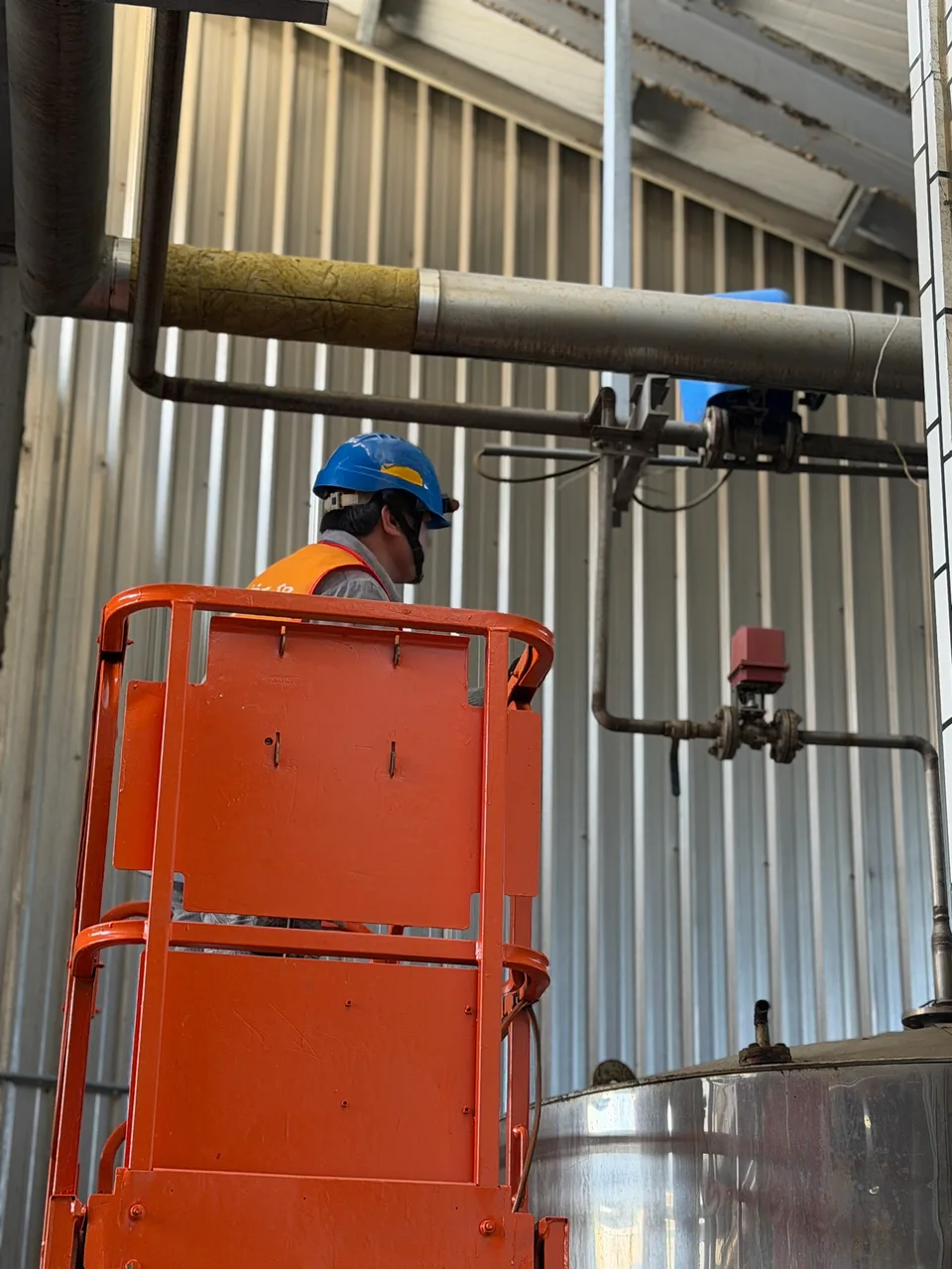
3. Maintenance capability is not a slogan, the difference lies in these four things
Many manufacturers will say "we have warranty and service", but the real difference is hidden in the details.
Response speed: Solve it today or wait for tomorrow
What you need to ask is not "Is there any service?", but:
- How many hours can it arrive?
- Is there support during holidays?
- What to do if it breaks at night?
Because equipment doesn’t pick a time to break.
👉 What is really valuable is whether it can be handled on site within 4 hours.
A few hours difference would mean a completely different level of damage to the factory.

Engineer ability: can you judge, or can you only replace parts?
The equipment is standardized, but the problems are not.
Many faults are not actually "broken", but "system imbalance".
For example:
- The combustion ratio is off
- Pressure setting error
- Steam pipeline configuration affects supply
These cannot be solved by replacing parts.
👉 What is needed are engineers who can understand the entire system and dare to make judgments.
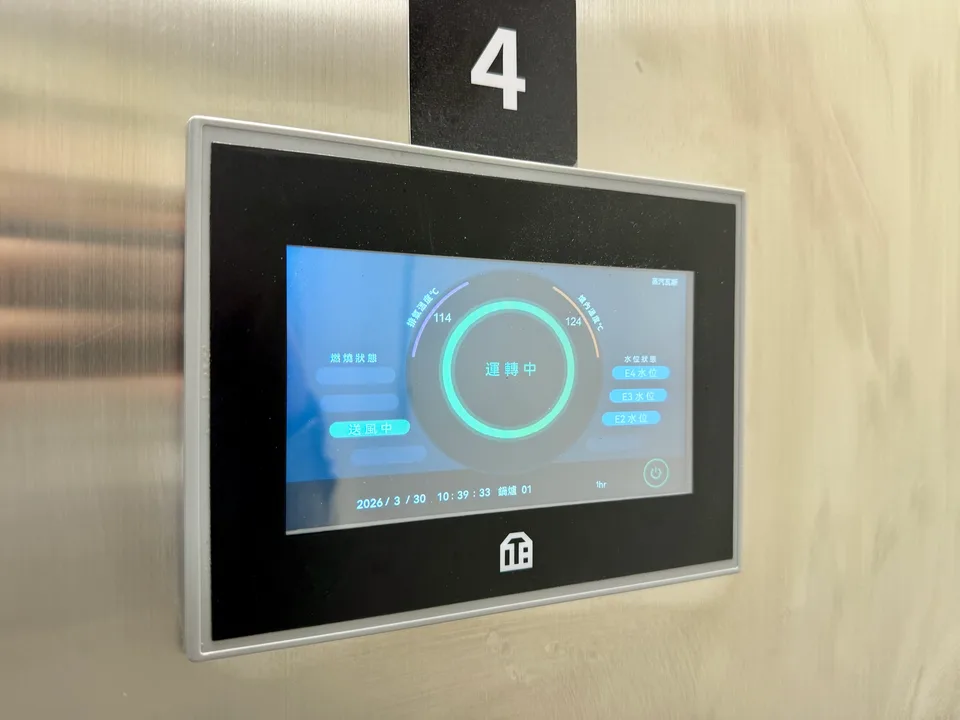
Recording system: rely on guessing or data
Common situations on site:
The customer said: "It just jumped." The engineer came to the scene: "It's normal now."
If there is no recording system, we can only rely on experience to guess.
But if there is a complete operation record (human-machine interface + PLC):
- Exception occurrence time
- pressure changes
- combustion state
- error signal
👉 Questions can be chased out rather than guessed.
This will directly affect maintenance efficiency and accuracy.
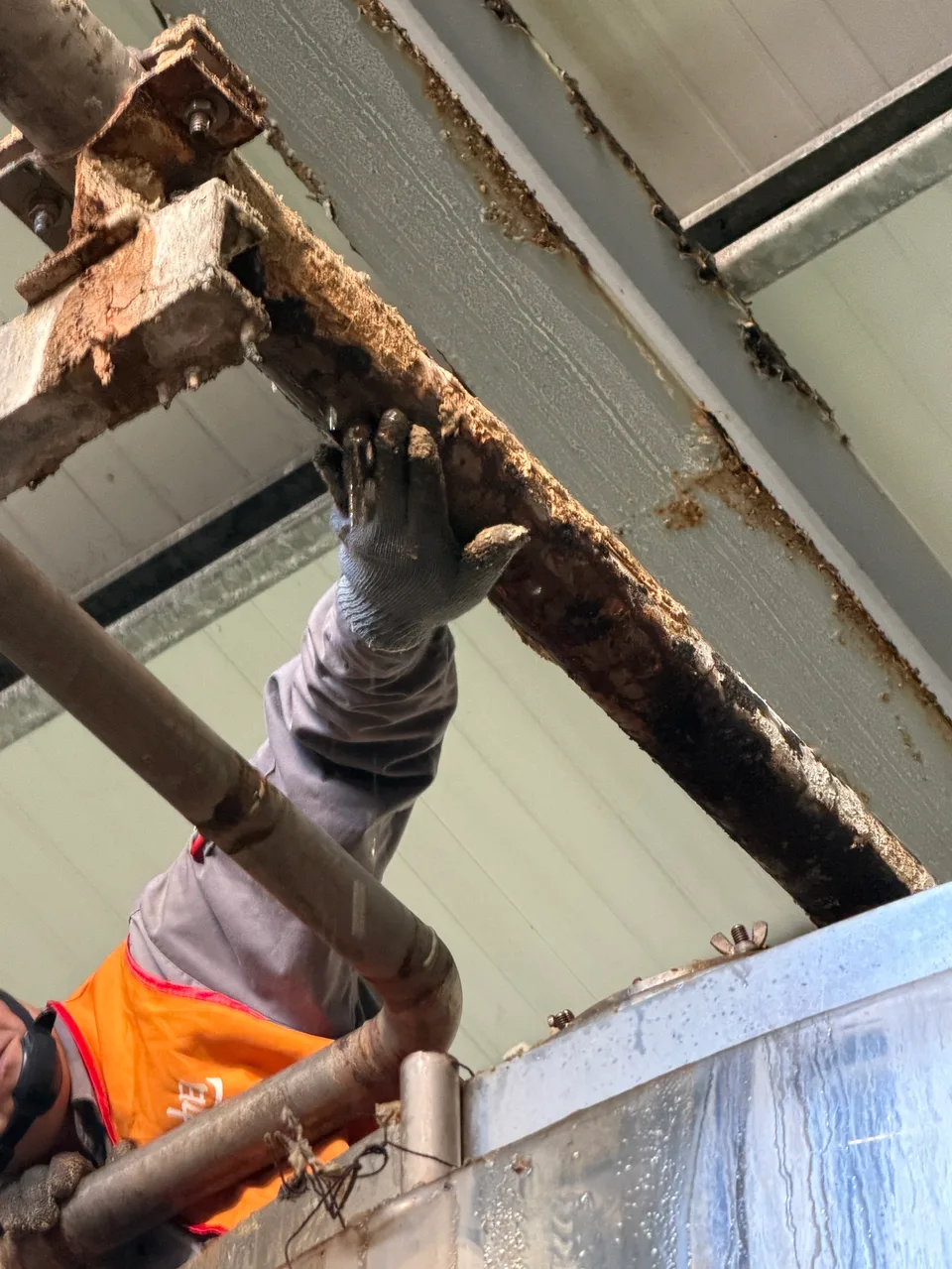
Maintenance system: Are you managing equipment or gambling on luck?
Many customers will ask:
"Do I need regular maintenance?"
The answer is very realistic:
👉 You don’t have to do it, but you are betting on which day something will happen.
Maintained equipment:
- Low failure rate
- Stable operation
- Extended life
Equipment without maintenance:
- Small problems accumulate
- sudden outbreak
- Repair costs are higher
And it usually happens when you're busiest.
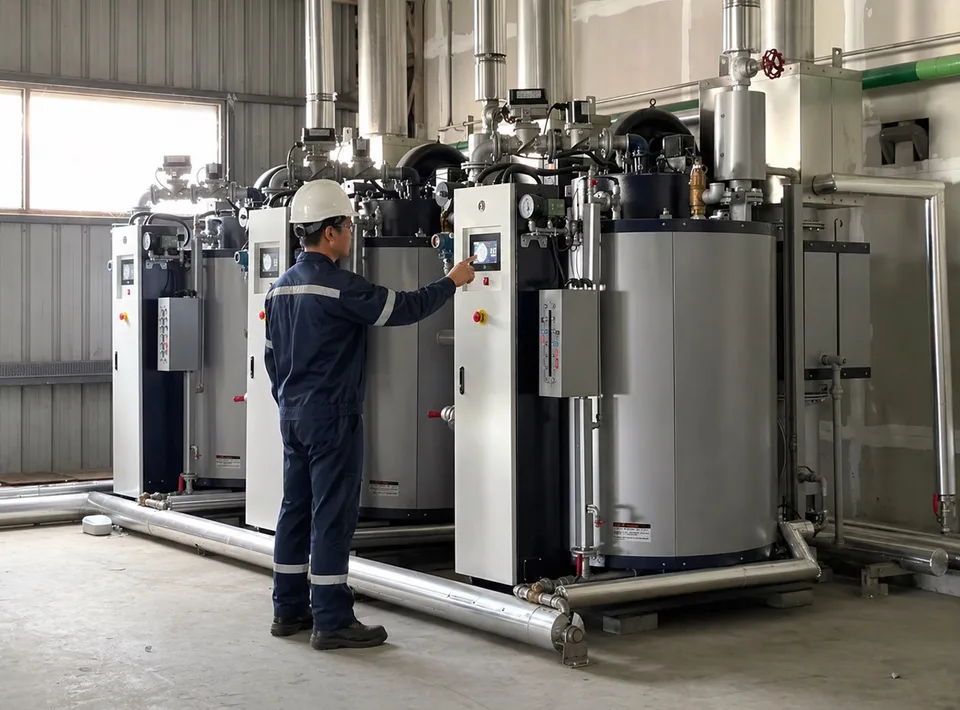
4. Why are the results of the same boiler so different?
This is a very common situation on site:
Same equipment, different factories, completely different results.
Some people use it smoothly, while others have problems every now and then.
The reason is usually not the brand but:
- Installation quality
- Piping design
- water quality management
- Operating habits
Plus one more crucial thing:
👉 Is there a maintenance team that is really in charge?
It’s not that they will disappear after selling out, but they will be on your side if something goes wrong.
5. The price is low. In many cases, it just postpones the cost.
There must be someone in the market who is cheaper than you.
But you have to think about it the other way around:
👉 Is the cheap part something you want to make up for in the future?
Common situations:
- Maintenance outsourcing → slow response
- Insufficient manpower → waiting for a week
- No system → Problems occur repeatedly
None of this will be written on the quote.
But it will definitely appear in your operating costs in the end.
6. The truly safe choice is to look at "the behavior in the event of an accident."
If you are the person responsible for equipment or operations, what you really should be looking at is not:
- price
- Catalog specifications
Instead:
- Is there a fixed maintenance team?
- Can you promise the arrival time?
- Are there any long-term service customer cases?
- Is there a complete maintenance system?
- Are engineers trained by themselves?
Because in the end, it’s not the equipment that supports your production line.
👉 It’s the group of professional engineers behind it.
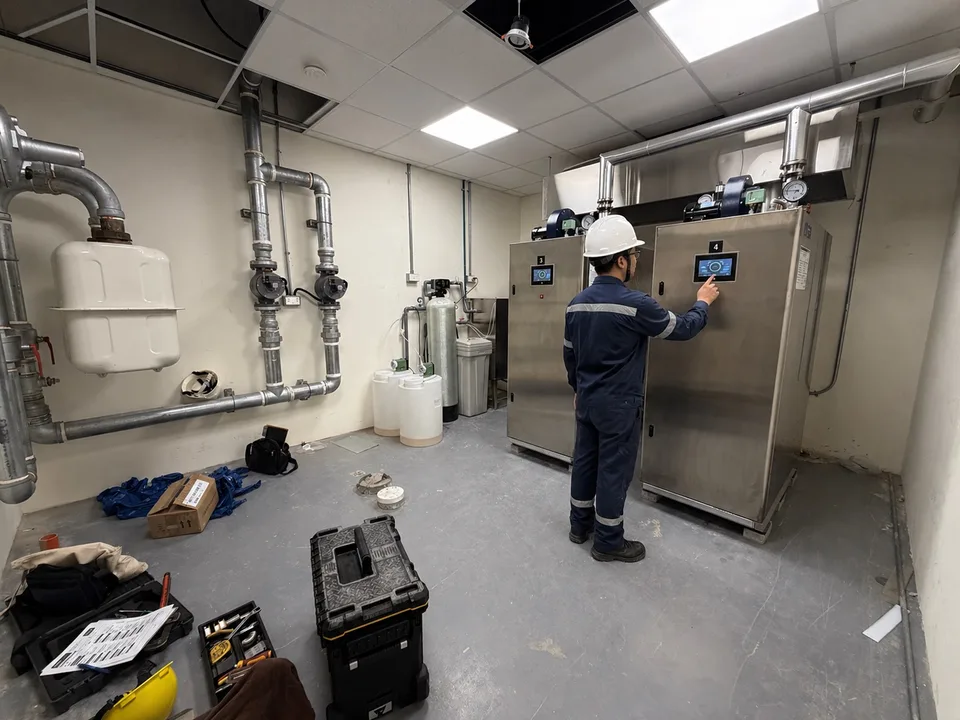
Equipment is just the beginning, stability is what you really buy
A steam boiler is not a piece of equipment that is purchased and ended.
It is the core system that operates every day and takes risks every day.
You can save a little cost on purchasing, but you can't burden the entire factory with long-term instability.
So the real question is not:
"How much does this one cost?"
Instead:
👉 "If something happens, can you help me hold on?"
In our practical experience, many problems are not unsolvable, but “started to deal with them too late.”
Therefore, we make the first step of service the simplest and most critical thing:
👉 Let customers find people in the first time
- LINE customer service responds immediately (reply within 5 minutes in most cases)
- Determine the situation remotely first to avoid blind waiting on site
- Quickly arrange for engineers to arrive on site for urgent cases

Because at the scene:
👉 Time is cost, delay is loss.
If you are evaluating a steam boiler, or if unstable conditions are already occurring on site,
It is recommended to do a complete system check first (not just the device itself).
Many problems do not happen suddenly.
👉 It has already existed, but it hasn’t exploded yet.