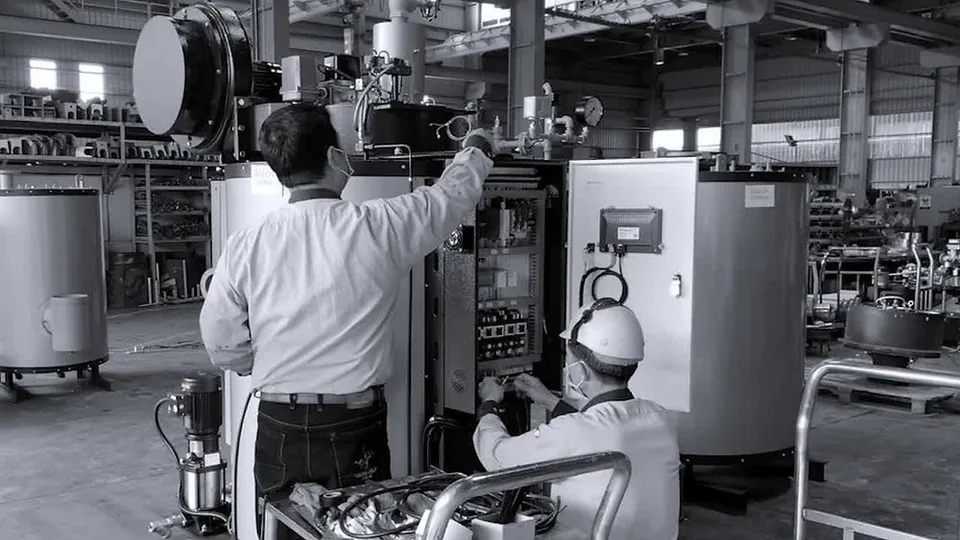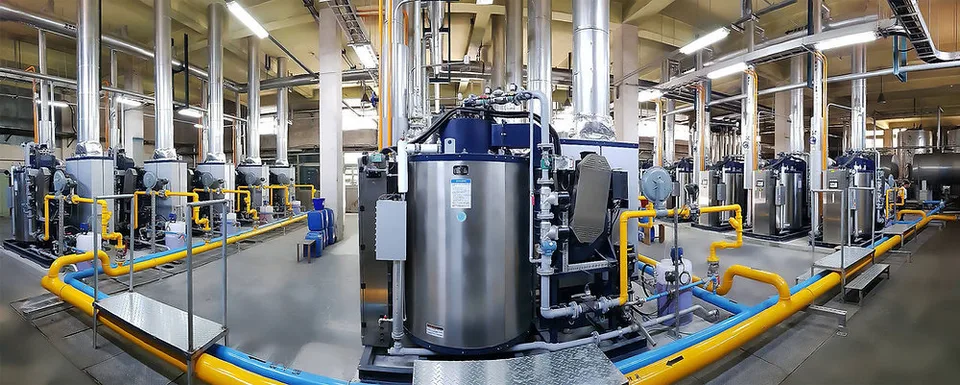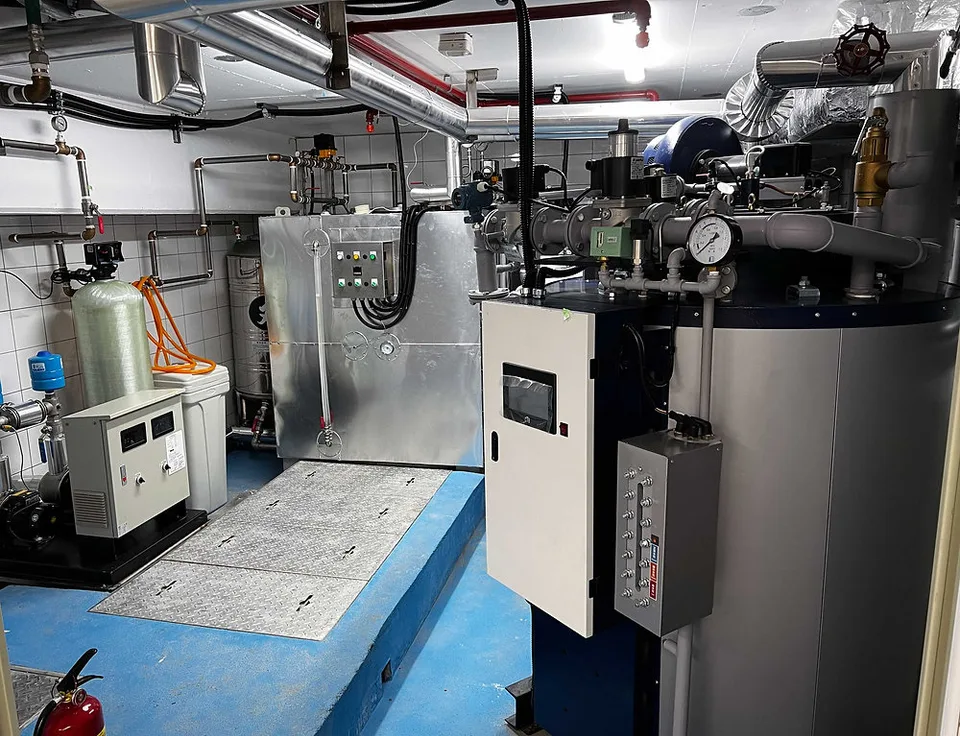
In industrial production, once-through steam boilers play a vital role. It can quickly generate high-quality steam and provide stable heat energy. It is widely used in food processing, pharmaceutical manufacturing, chemical industry, electronics industry and large kitchen equipment. However, many people focus on boiler design, combustion efficiency and energy-saving technology, but easily overlook one decisive factor - water quality management.
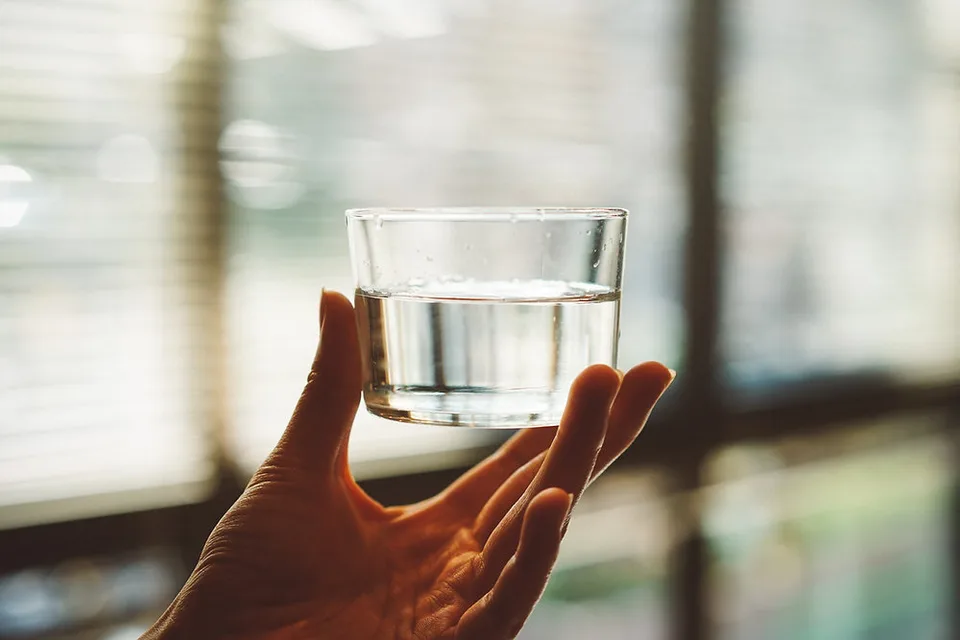
Water quality is like the "blood" of a boiler. If the water quality is poor, it will not only reduce the thermal efficiency, but may also cause the boiler to corrode, burst the pipe, or even be scrapped, resulting in production line shutdown and high maintenance costs. Therefore, understanding "why water quality is important", "what harms are caused by poor water quality", and "how to correctly treat water quality" is indispensable knowledge for every company that uses steam boilers.
1. The harm of poor water quality to once-through boilers
1. Scale deposition: reduced efficiency and increased energy consumption
When the incoming water contains too much calcium and magnesium ions (commonly known as "hardness"), these minerals will be deposited on the pipe wall under high temperature and pressure, forming hard scale. The thermal conductivity of scale is extremely low, only 1/20 to 1/50 of steel, which means that the same steam production requires more fuel. According to research, just 1 mm of scale can increase fuel consumption by more than 10%.
What's more serious is that scale will cause local overheating of the boiler tubes, which will reduce the strength of the metal and increase the risk of tube explosion. This is a double hidden danger for production and safety for any factory.
2. Corrosion problem: shortened boiler life
In addition to hardness ions, the pH and dissolved oxygen content in the water can also cause damage to the boiler.
- Acidic water: will accelerate chemical corrosion of metal pipe walls.
- Excessive alkalinity: It may lead to the phenomenon of "alkali embrittlement", making metal materials brittle and prone to cracking.
- Dissolved oxygen is too high: it is easy to cause electrochemical corrosion, form rust spots, and then expand into perforations.
These corrosion phenomena are usually not obvious in the short term, but as time accumulates, they can lead to thinning of the tube wall, water leakage or even bursting, significantly shortening the life of the boiler.
3. Sludge and suspended solids: blockage and unstable pressure
If the incoming water is not filtered or treated, suspended solids and sludge will be deposited in the lower parts of the boiler, causing poor circulation. This will not only affect pressure stability, but may also block the pipeline, leading to a decrease in heat transfer efficiency and malfunction of the control system.
2. Methods of water quality management
1. Chemical treatment
At present, the most common way to treat water quality is to add special chemicals, such as:
- Chelating agent: prevents hardness ions such as calcium and magnesium from scaling.
- Corrosion inhibitor: forms a protective film on the metal surface to reduce corrosion.
- Dispersants: keep impurities suspended and avoid sedimentation.
- Bactericide: Inhibits the growth of microorganisms and avoids the formation of slime.
The correct chemical ratio can significantly extend the life of the boiler, but it must be adjusted based on water quality testing data, otherwise it may be counterproductive.
2. Physical processing
- Water softener (ion exchange method): removes calcium and magnesium ions and is the most basic treatment equipment for boiler water.
- Filtration and sedimentation: remove suspended solids and sediment to avoid clogging.
- Membrane separation technology (RO reverse osmosis): can obtain quality close to pure water, suitable for industries with high requirements on steam quality, such as medical and electronics.
3. Biological treatment
It is mainly used for industrial wastewater treatment. It uses microorganisms to decompose organic matter, nitrogen and phosphorus in the water to meet the standards for discharge or recycling. In the food processing industry, it is often used in front-end water management to ensure environmental protection and regulatory compliance.
3. Daily maintenance and maintenance measures
Water quality treatment is not a one-time task, but a process of continuous monitoring and maintenance. The following are common maintenance suggestions:
- Regular water quality testing: Perform complete testing at least once a month, including hardness, pH, conductivity, and dissolved oxygen levels. If it belongs to a high-load or critical industry, it is recommended to test it once a week.
- Regular sewage discharge and cleaning Even if you use a water softener, a small amount of sludge will inevitably enter the boiler, so sewage must be discharged regularly. Due to the small water capacity of the once-through boiler, it is more sensitive to sediments. If the sewage discharge is ignored, the pressure stability will be easily affected.
- Replace pipes and parts. Regularly check heating surfaces, pipes and valves. If corrosion or excessive scale is found, they should be replaced or cleaned in time to avoid affecting overall efficiency.
- Establishing water quality files allows you to analyze water quality trends through long-term data tracking, adjust chemicals and treatment methods early, and achieve preventive maintenance effects.
4. Benefits brought by good water quality
Many businesses mistakenly believe that water treatment is just an additional cost, but in fact, good water quality management can bring multiple benefits:
- Reduce energy costs: Reduce fuel consumption and improve thermal efficiency.
- Extend equipment life: avoid corrosion and pipe bursting, and reduce maintenance and replacement costs.
- Improve steam quality: Stable steam dryness and pressure contribute to product quality.
- Reduce the risk of downtime: Keep your boiler running stably and avoid production interruptions.
- Comply with environmental protection and regulations: avoid fines or image damage caused by substandard emissions.
For the food, pharmaceutical, and electronic industries, steam quality directly affects the final product. Therefore, water quality management is not only equipment maintenance, but also a part of quality management.
5. Conclusion
The efficiency and lifespan of a once-through steam boiler not only depend on design and technology, but are also deeply affected by water quality management. If scale, corrosion, and sludge problems are not properly controlled, they will not only increase energy consumption, but may also lead to boiler accidents.
Through chemical treatment, physical filtration and regular testing, coupled with a professional maintenance system, companies can not only ensure safe and stable operation of boilers, but also significantly reduce long-term operating costs.
In other words, water quality management is not an “extra cost” but the best investment to ensure production efficiency and safety.
👉 If you are using or preparing to introduce a once-through boiler, it is recommended to cooperate with a professional manufacturer to establish a complete water quality treatment and maintenance plan, so that your boiler can truly achieve its highest performance.