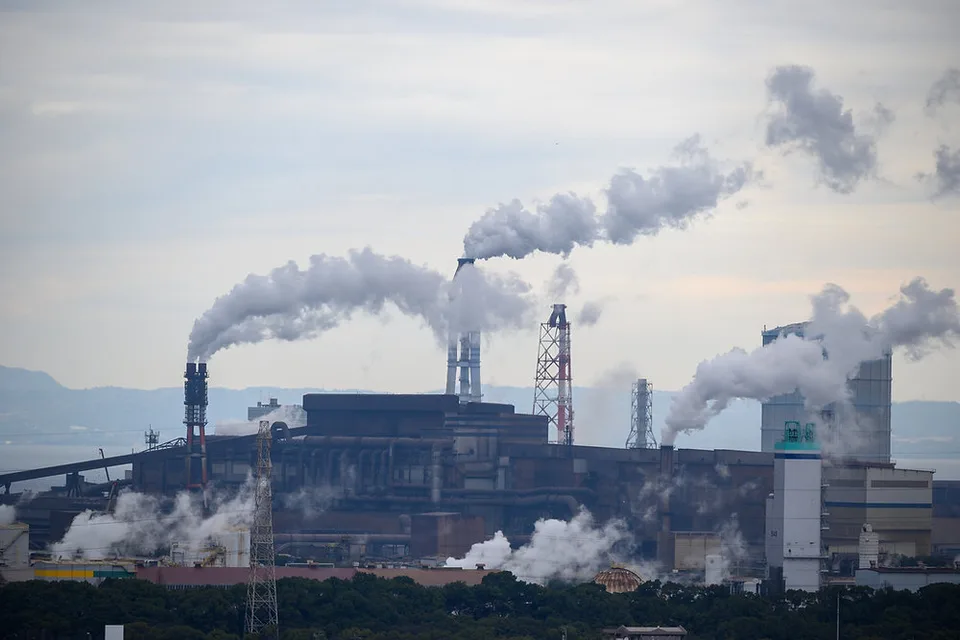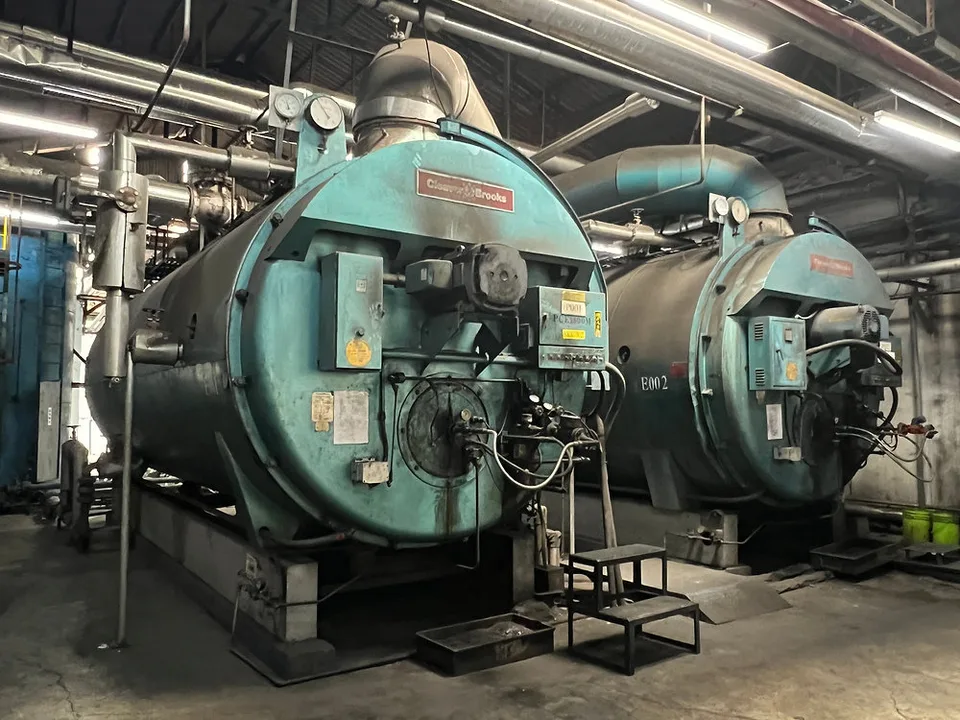

In the back yards of many factories, there is always an "old man" - a heavy horizontal steam boiler that has been in service for more than 20 years. It burns gas and spits out steam conscientiously, supporting every moment of food heating, sterilization, cleaning, drying and other processes. But is such an old boiler still the best production partner for your company? As energy conservation, carbon reduction, and net-zero carbon emissions gradually become key goals for the global manufacturing industry, coupled with sharp fluctuations in energy prices and rising labor costs, more and more companies are beginning to realize that it is time to upgrade their steam systems.
The price of old boilers: low efficiency, high cost, heavy carbon emissions
We often receive responses like this from customers:
"Why is the gas bill soaring so fast recently? Is the steam pressure often insufficient?"
This is the truth behind the gradual "degradation" of old boilers. The design of the horizontal boiler itself is not very efficient. In addition, after many years of service, the inside of the tube wall is prone to scaling, corrosion, and scaling, and the heat conduction effect is reduced, resulting in:
- Gas consumption per kilogram of steam increases
- It often takes more than half an hour to start the furnace.
- The operation requires special personnel to be on duty and the manpower burden is heavy.
- High-voltage designs bring higher risks and inspection burdens
What’s even more serious is that these boilers emit a large amount of carbon gas every year. Corresponding to corporate ESG performance and government tax policies, they may face more regulatory and cost pressures in the future.
Energy saving and carbon reduction is no longer a slogan, but the next wave of "productivity revolution"
Whether you have heard of "carbon neutrality", "carbon fee", or "sustainability report" or not, the fact is: energy saving and carbon reduction are already an important part of a factory's competitiveness. An old boiler with low efficiency not only wastes fuel and emits alarming carbon emissions, but also means that you pay several times more operating costs than others. The new generation of energy-saving boilers, through high efficiency, intelligent management and low-carbon emission design, can already bring considerable financial and environmental benefits.
This is not a moral choice, but "business rationality".
Once-through boiler: an energy-saving engine for modern factories
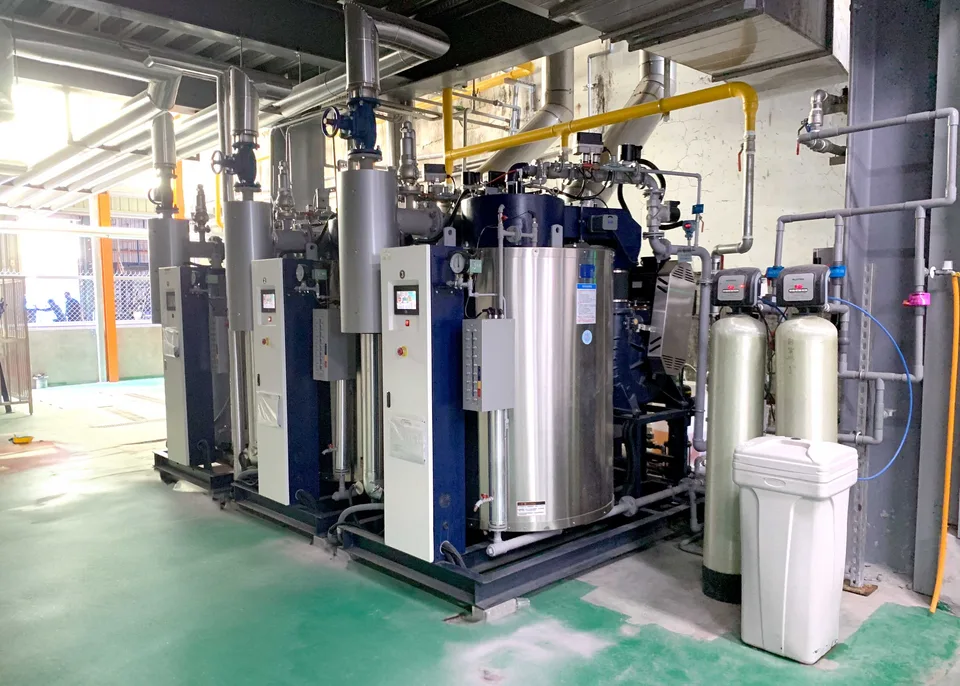
At this time, the OT-2000GiE once-through steam boiler launched by Chuang Ting has become the first choice for many enterprises to transform and upgrade.
Why do people start to stop using traditional large boilers and turn to this equipment that looks small but has high-efficiency technology built in?
You will understand after taking a look at the following features:
✅ Efficiency is as high as 96%, almost no heat energy is wasted
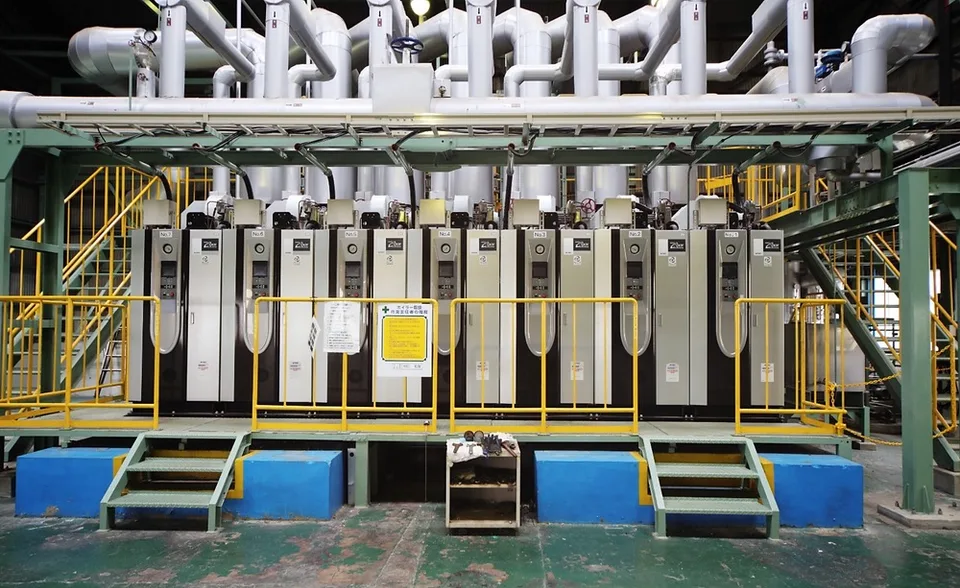
✅ Multiple units in parallel design, use several units to start up several units, and operate flexibly with the load of the production line
✅ It only takes 5~7 minutes to start the steam, so no preheating time or fuel is wasted
✅ Fully automatic control system + color human-machine touch screen, intuitive, safe and convenient operation
✅ Low-risk design, small water retention, no risk of traditional pot explosion
✅ Reserve space for expansion. If you need to add production lines in the future, no major relocation is required.
✅ Carbon emissions are significantly reduced, which corresponds to corporate carbon footprint and ESG advantages.
This is not just a boiler, but a set of "smart steam supply solutions" facing the future.
The cost really makes a difference: you can save more than just gas bills
After some manufacturers switched to this system, the usage of natural gas alone dropped significantly, and the overall annual cost savings was estimated to be more than one million yuan.
In addition to gas bills, a new boiler can help you with:
- Reduce operation and inspection manpower
- Reduce the frequency of breakdowns and repairs
- Save potential expenses on carbon emission declaration and carbon fees
- Reduce equipment footprint and installation space
These are "invisible but expensive" expenses. A new boiler can help you deal with them all at once!
Practical suggestions: Use modular thinking to build steam supply resilience
Using Santai Chuang Ting OT-2000GiE as the main steam supply system, paired with one or two old boilers as backup, not only the daily steam use is more stable, but also in the peak season when the volume explodes, or the old furnace is temporarily out of order, it can respond quickly and ensure production. This planning model is flexible and resilient, and is closer to the rapidly changing pace and flexible order needs of modern factories.
Why now is a good time to replace?

Because you will find that those who are still using old boilers are not because they are really useful, but because they are “not broken yet” or “too lazy to replace them”.
But modern management emphasizes data-based management, energy-saving performance, and risk prevention, rather than "wait and see."
Upgrading now has three major advantages:
- Comply with policy tools such as energy conservation subsidies and carbon fee offsets
- Make arrangements in advance before the cost of raw materials and engineering labor increases.
- Before the market is saturated, be the first to establish the image and advantages of "low-carbon production"
Energy saving is the ticket to the next industrial competition
Steam boilers are the thermal heart of the factory and are related to production capacity, efficiency, environmental protection and operational stability. If you are looking for a truly energy-saving, low-carbon, smart, and safe boiler system, Chuang Ting OT-2000GiE is definitely worth checking out. We have actual results, cases, and a team, and more importantly, we know how to put you in the perspective of your boss and plan a plan that can truly save you money, reduce worries, and allow for future expansion.
Go to learn about OT-2000GiE