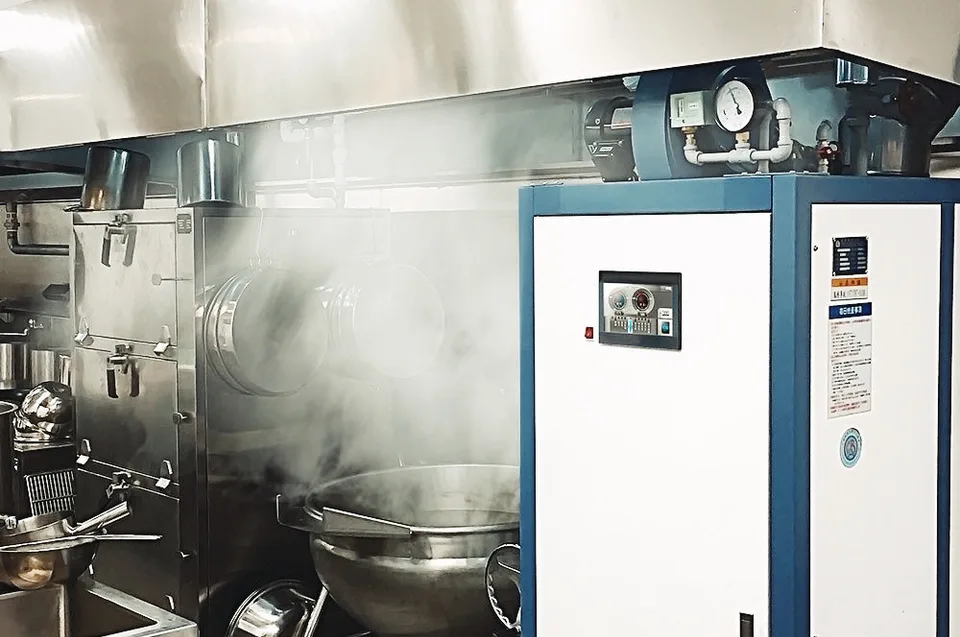
Have you ever walked into a factory and seen a scene of criss-crossing pipelines and white steam rising, and you couldn't help but wonder: "Where does this powerful force come from?" The answer is - steam boilers!
In this article, we will unveil the mystery of steam boilers together, from principles, structures, advantages to practical applications, and use the simplest and easiest way to help you master this seemingly complex but important technology that is closely related to life and industry. Whether you are a beginner or an industry enthusiast who wants to learn more, you can find practical knowledge here.
1. What is a steam boiler?
Simply put, a steam boiler is a device that can heat water into high-temperature and high-pressure steam. Its function is similar to a hot water kettle at home, but its scale and power are dozens or hundreds of times greater! This steam can be used to drive machinery (such as steam turbine generators), perform industrial heating, cleaning, disinfection, and even participate in chemical processes.
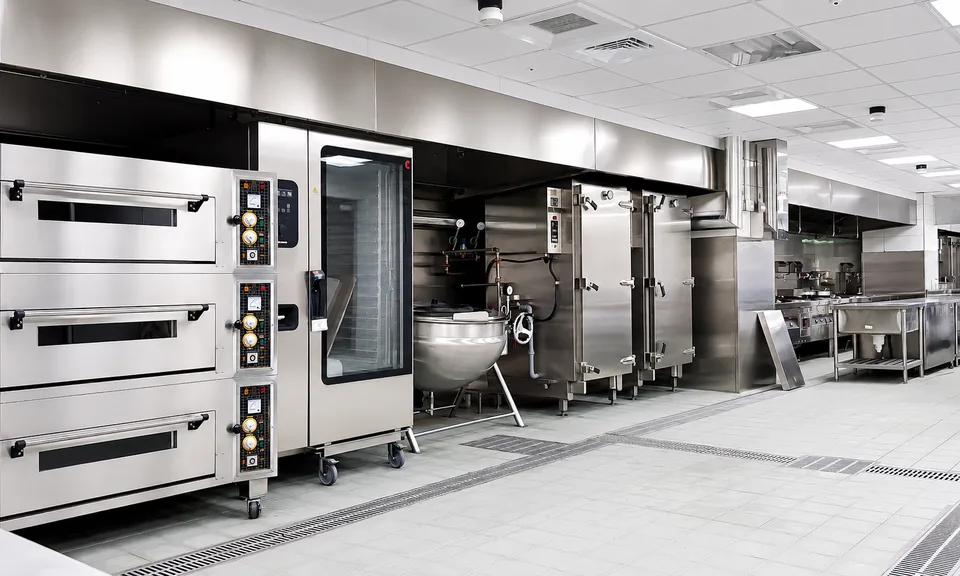
Steam boilers are the "heart" of modern industry and are mainly used in the following industries:
✅ Electric power industry: Power plants are used to drive steam turbines to generate electricity.
✅Petrochemical industry: Provides heat sources required for refining and chemical reactions.
✅ Food industry: cooked, sterilized, and kept warm processed foods.
✅ Textile industry: Textile dyeing, ironing, drying and other processes.
✅ Medical and Semiconductor: Clean steam is used for sterilization and high-purity environmental processes.
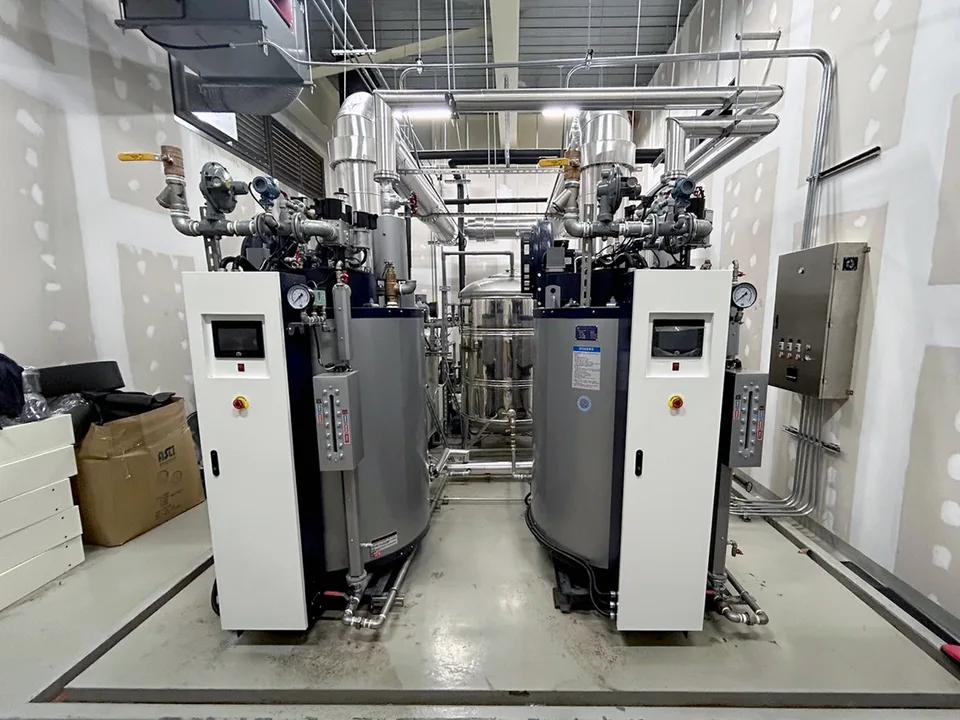
2. The operation secrets of steam boilers are disclosed
Although the operation of a steam boiler seems complicated, it can be simplified into the following four steps:
Heating of water
First, water is injected into the water pipe or water tank inside the boiler, and the burner burns fuel (such as natural gas, diesel, coal, LPG, or even hydrogen!) to generate a high-temperature flame, which directly or indirectly heats the water to more than 100°C, turning it into steam.
👉 Tips: Modern high-efficiency boilers can use latent heat recovery technology to increase thermal efficiency to 95% or even more than 100%!
Steam generation and storage
When the water is heated, it turns into steam, which collects in a drum or pipe above the boiler, creating a high-pressure environment. At this time, the pressure of the steam can be as high as several kilograms, which is used to drive downstream equipment.
Steam transportation and utilization
High-pressure steam is sent to every corner of the factory through pipelines and has a wide range of uses:
Steam turbines for power generation Textile machine shaping Food boiler disinfection Semiconductor equipment cleaning
Steam condensation and circulation
After the steam is used, it will condense into water when exposed to cold. This condensate water is returned to the boiler through the return pipe and feed water pump, and is reheated and reused to form an efficient closed-loop system.
👉 Tips for saving energy: Steam condensate contains a lot of sensible heat, and proper recycling can save fuel significantly!
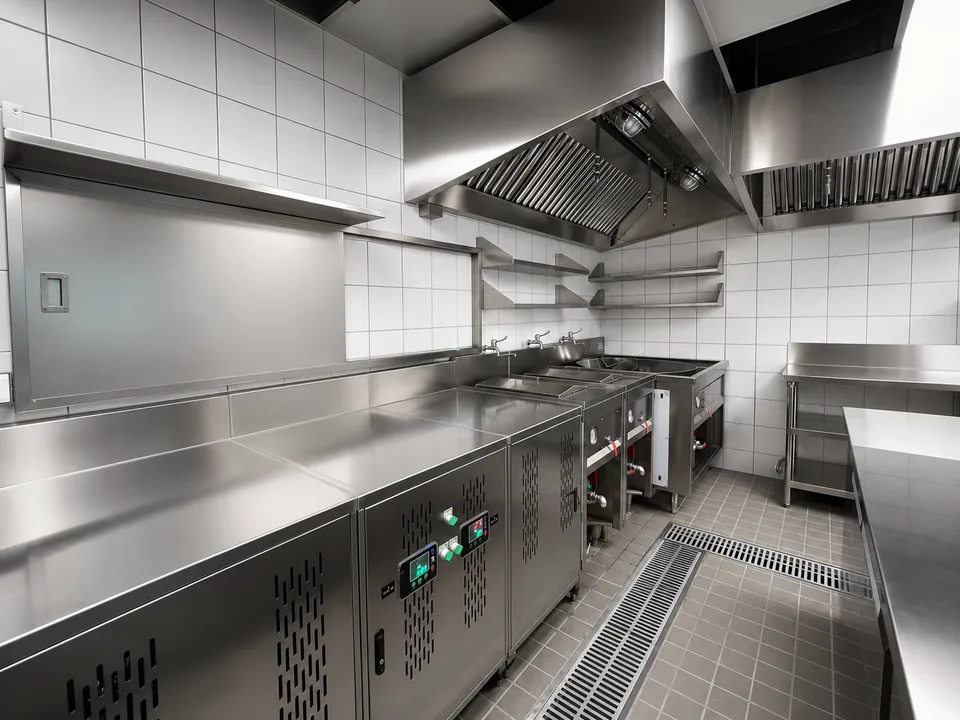
3. Main components of steam boiler
In order for the boiler to operate safely and efficiently, its "hardware equipment" is not sloppily designed, and is mainly divided into:
Combustion system
Including burners, combustion chambers and fuel supply equipment, it is the core of the heat source of the boiler. Many high-end boilers are now equipped with low NOx burners to reduce pollution emissions.
Steam system
Including water pipes, steam pipes, etc., they are the main structures for generating and transporting steam.
Recycling system
It consists of a condensation tank, a feeding water pump, and a return pipe, which is used to recover condensate water for reuse.
Control and monitoring system
Including pressure gauges, thermometers, automatic ignition devices, safety valves, etc. to ensure that the boiler operates within a safe range.
Safety protection device
For example: Safety valve: to prevent explosion due to excessive pressure Water level gauge: to ensure that the water level in the boiler is normal Emergency shutdown device: to automatically shut down the boiler in case of abnormality
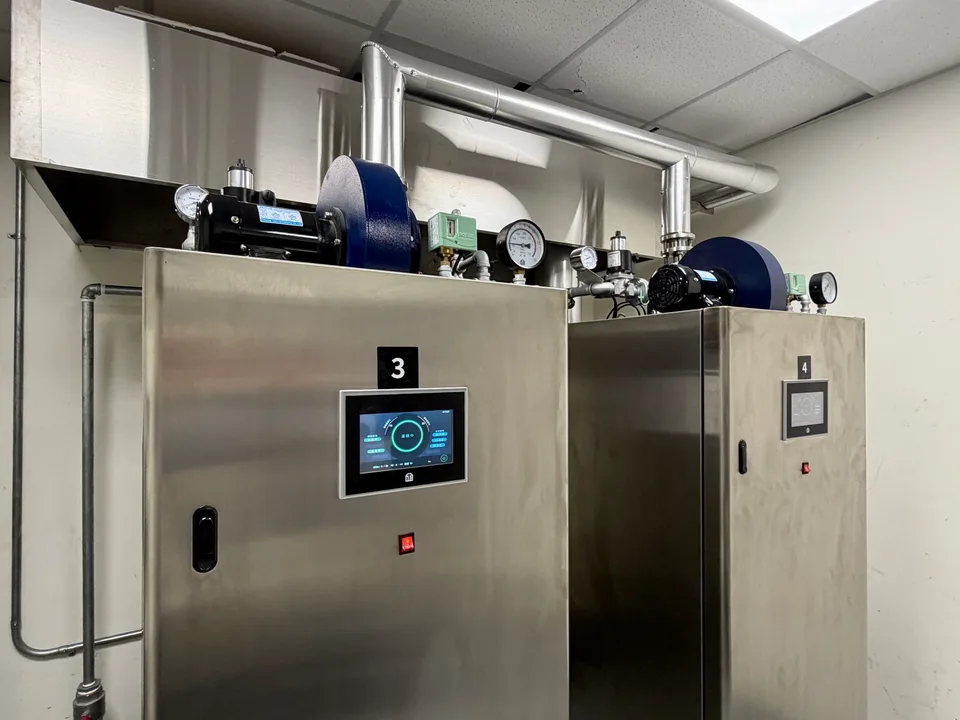
4. Introduction to types of steam boilers
There are hundreds of types of boilers on the market, and different factories will choose different types:
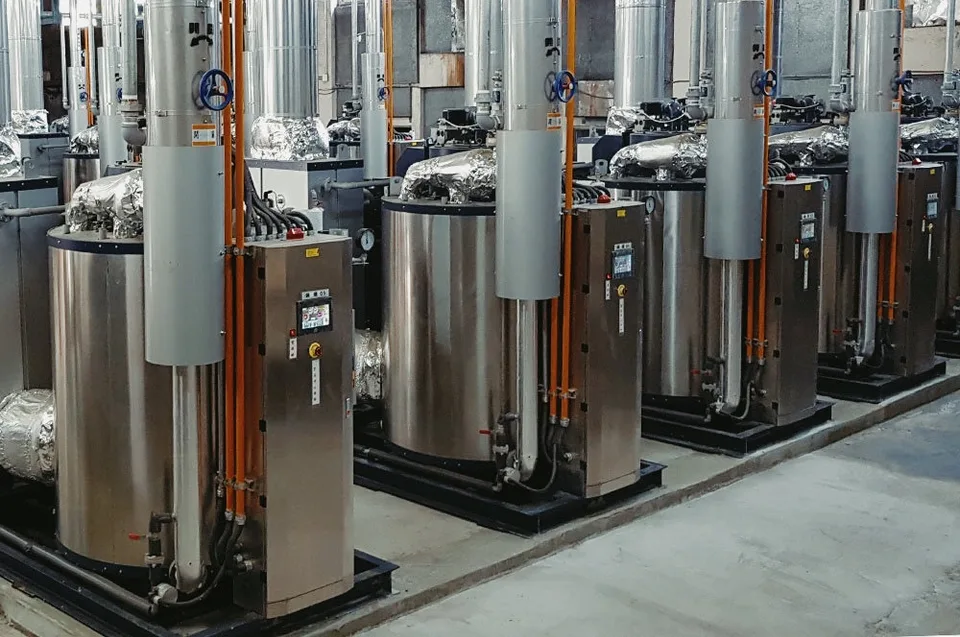
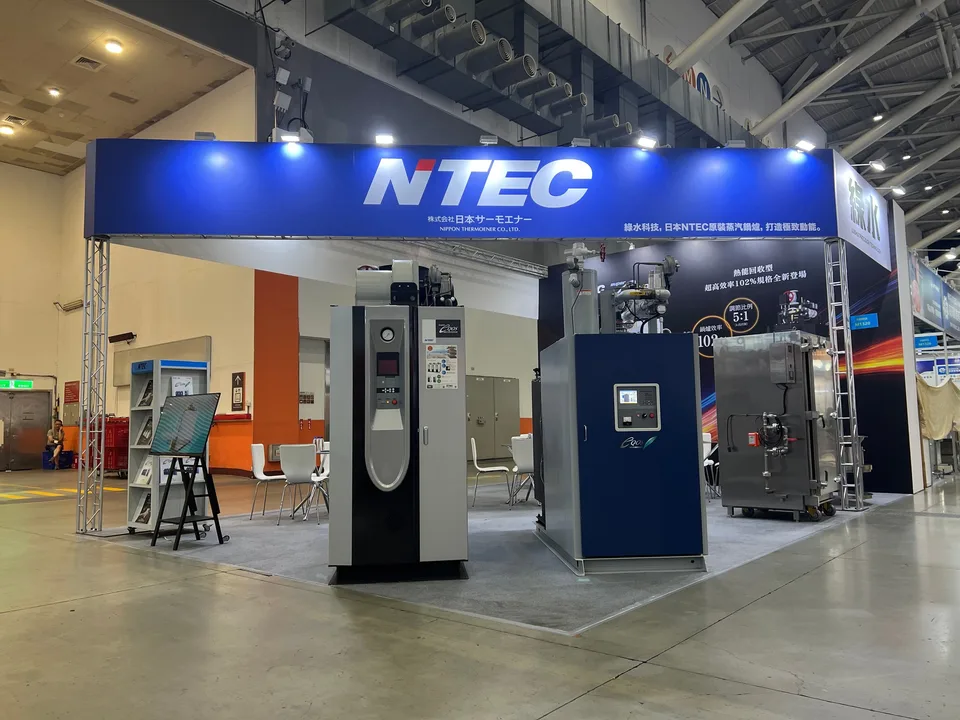
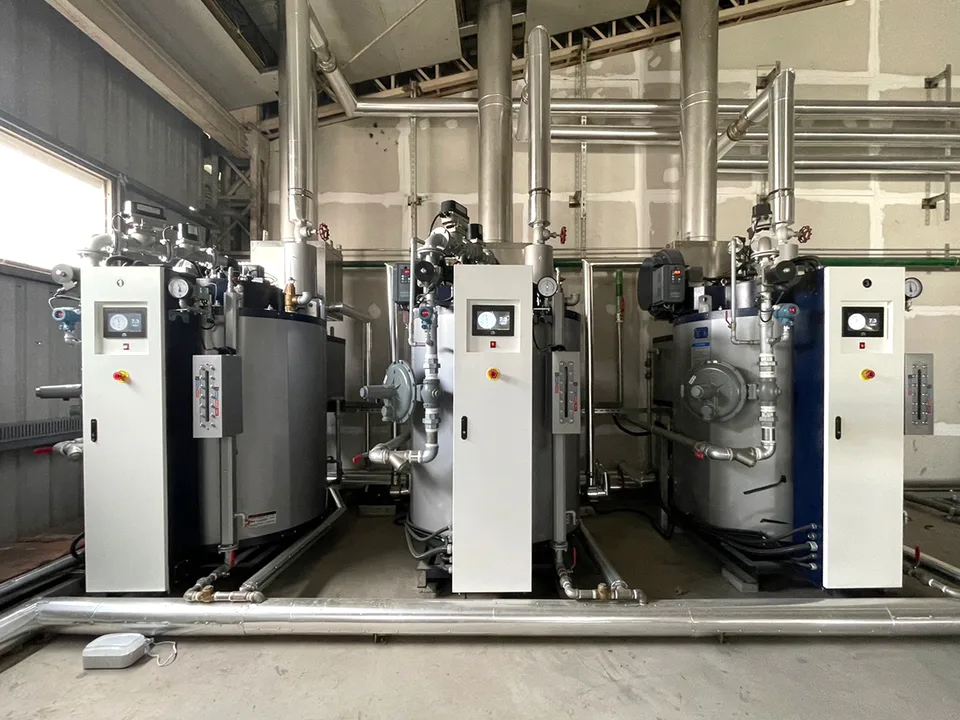
Cross flow steam boiler
💡 Features: small volume, quick steam release, steam generation within 5 minutes of startup, no notarization required. Applicable to: food factories, small manufacturing processes.
Fire tube boiler
💡 Features: Large capacity, stable pressure, suitable for large-scale continuous operations. Applicable to: large power plants and petrochemical plants.
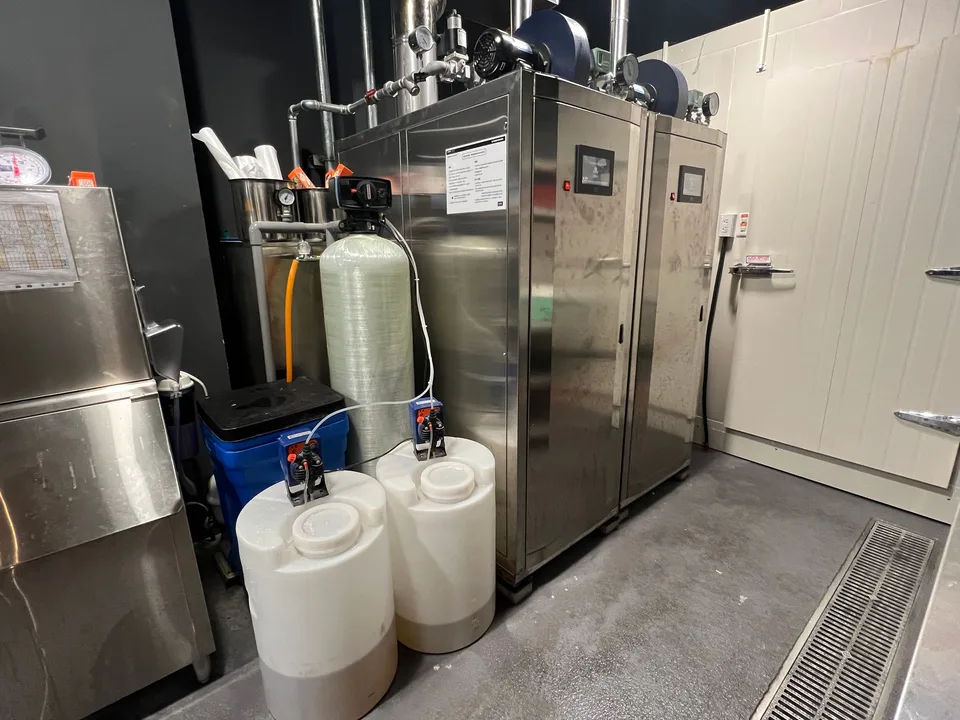
Electric steam boiler
💡 Features: No fuel is needed, it uses electricity to heat directly. Applicable: medical, laboratory, small amount of clean steam needs.
5. Why are modern factories inseparable from steam boilers?
The following reasons make steam boilers an indispensable helper in the industry:
High thermal efficiency: The thermal efficiency of advanced boilers is as high as over 90%, saving energy.
Environmental protection and low emissions: low NOx burner + flue gas treatment system to reduce pollution.
Diverse applications: from electricity to food, textiles to chemical industry, steam boilers are the protagonists.
Long equipment life: regular maintenance can last for more than 20 years, making it cost-effective.
6. Key points of purchase and maintenance
Key points for purchasing
- Confirm the required steam volume (kg/hr) and pressure requirement (kg/cm²)
- Consider fuel type (natural gas, diesel, electric)
- Evaluate computer room space and installation conditions
Maintenance suggestions
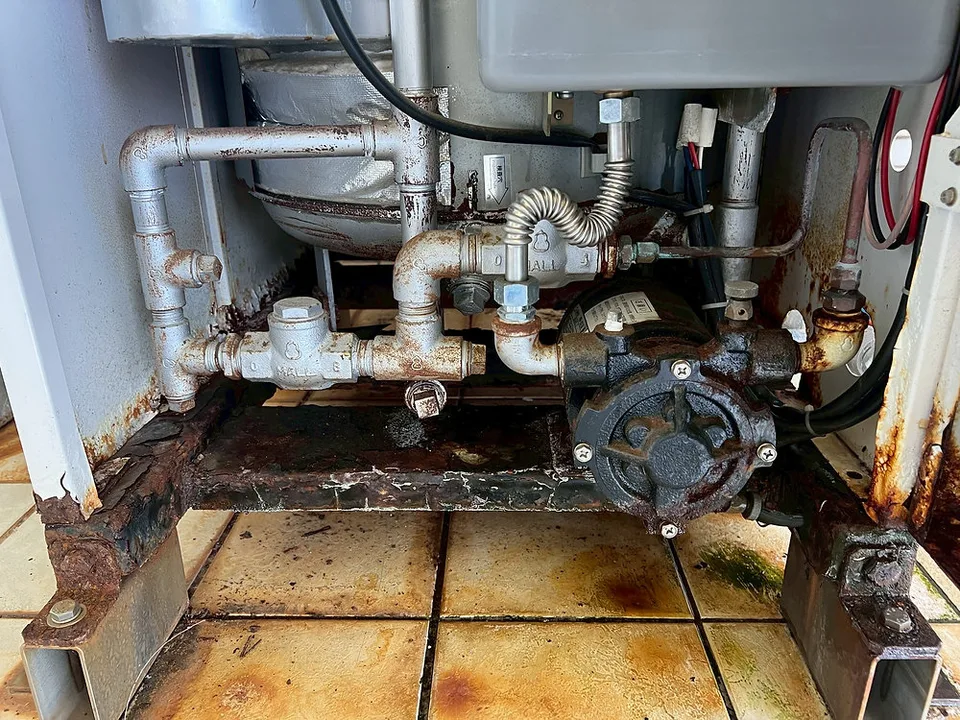
- Regular maintenance every 3 months
- Discharge sewage regularly and check water quality
- Annual inspection of safety valve and control system functions
👉 Professional manufacturers such as Chuang Ting Boiler provide complete maintenance contracts and inspection services to keep the equipment as good as new!
7. Future trends of steam boilers
With net-zero carbon emissions and the energy transition, steam boiler technology continues to advance:
Electric boiler: uses electric heat as fuel to achieve zero carbon emissions.
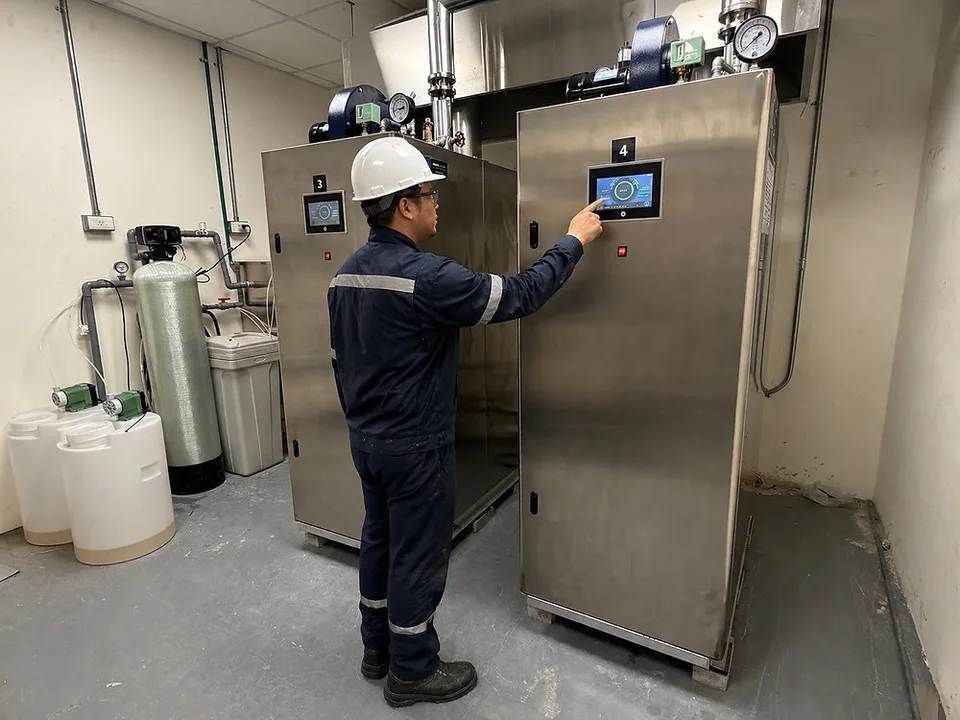
Smart boiler: IoT remote monitoring to keep track of operating data at any time.
Latent heat recovery technology: Reuse the heat energy in the flue gas to improve efficiency.
Although the steam boiler is hidden in the corner of the factory, it is an important engine supporting modern industry! Understanding its principles, structure and applications can help companies choose the right equipment, improve efficiency and reduce costs. If you want to know more or plan a suitable boiler system, please contact the professional team of Chuang Ting Boiler. We will be happy to help you tailor the best solution.