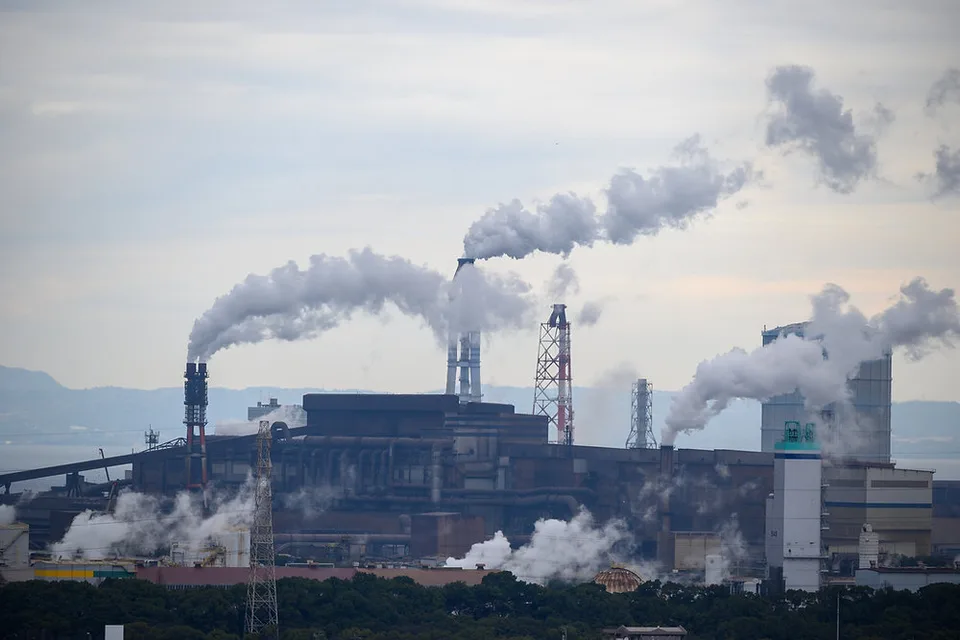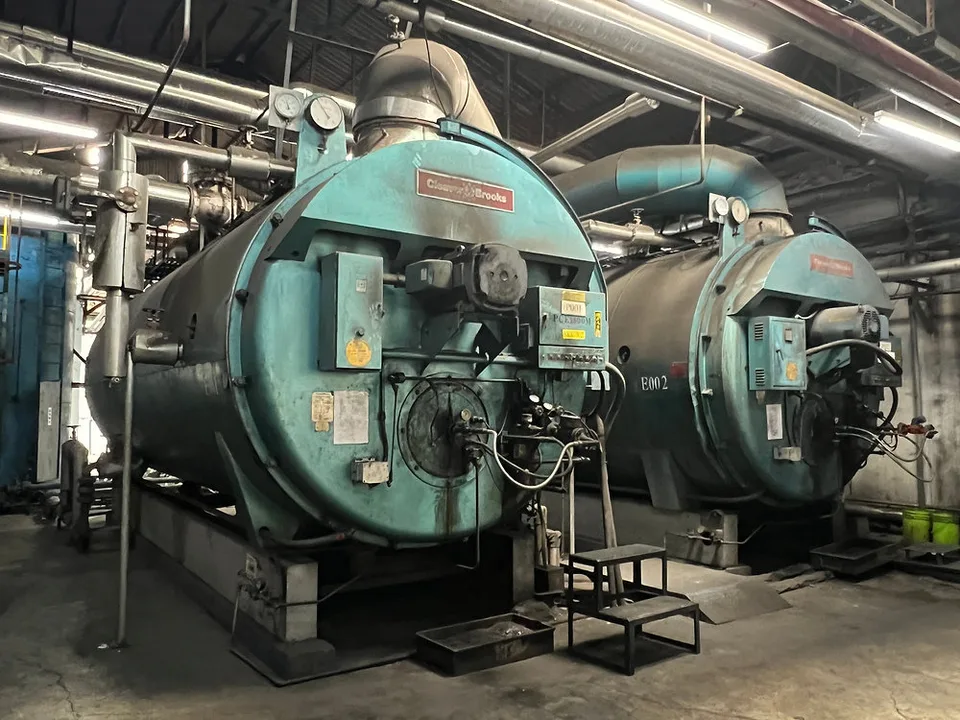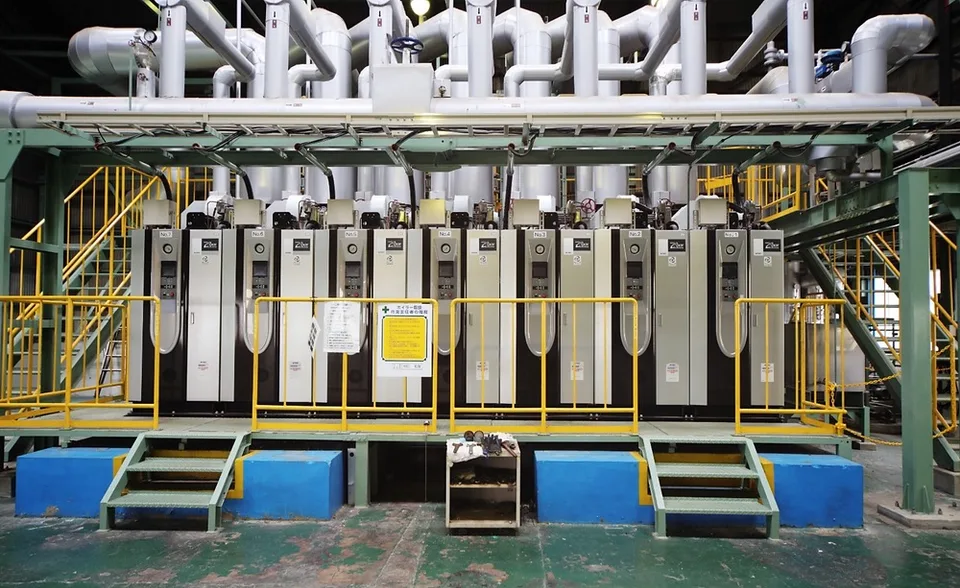

Recently, Taiwan's Environmental Protection Agency issued an important policy: "Boiler Air Pollutant Emission Standards." This new policy aims to strengthen the control of boiler emissions, especially strict requirements for particulate pollutants, sulfur oxides and nitrogen oxide emissions. This is an important measure for environmental protection in Taiwan and a new step towards improving air quality.
The Environmental Protection Agency issued this important policy on September 19, 2017. As people's requirements for air quality increase, boiler emissions have become one of the focuses of attention. The Environmental Protection Agency stated that boiler emissions account for a considerable proportion of all combustion sources, so strict control over them is crucial. The formulation of this new standard is based on relevant international standards and domestic emission conditions, and has undergone full technical and cost-benefit analysis.
This new policy raises emission standards to new heights regardless of boiler size or fuel type. Emission limits for particulate pollutants will be raised to 30 milligrams per cubic meter from previous levels, and emission standards for sulfur oxides and nitrogen oxides will also be limited to 50 parts per million and 100 parts per million respectively. This means that boiler companies must speed up the pace of technological upgrading and transformation to comply with new standards.
In order to give enterprises time to fully prepare, the new policy provides a buffer period. All boilers must meet the new standards by July 1, 2019. This policy is expected to significantly reduce emissions of sulfur oxides, nitrogen oxides and particulate pollutants and contribute to environmental protection.
The Environmental Protection Agency also calls on companies to take action as soon as possible and seize the subsidy policies provided by the government for technological upgrading and transformation. At the same time, they also expressed their willingness to provide consultation and assistance to companies to ensure that they successfully meet the new emission standards.
The release of this new policy has received widespread attention and support from all walks of life. It is generally believed that this is an important measure to protect the environment and improve air quality, and will lay a solid foundation for Taiwan's future sustainable development. Overall, this new policy of the Environmental Protection Agency is an important action and marks a solid step forward in environmental protection in Taiwan. We look forward to seeing the implementation effects of this policy and believe that through the joint efforts of the whole society, we can create a cleaner and healthier environment.