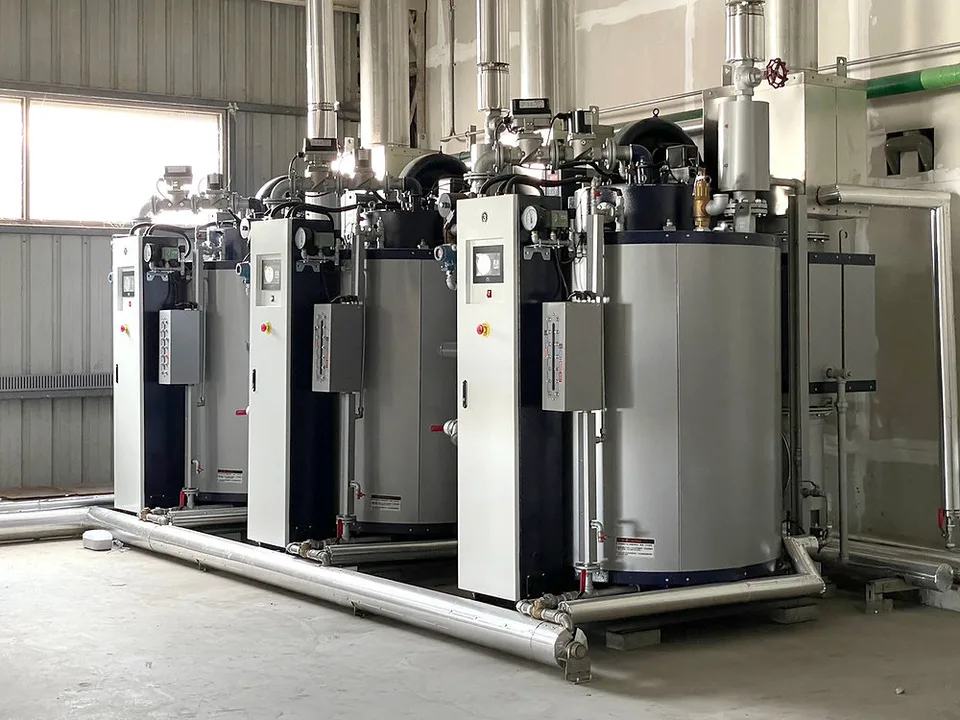
In the factory, we often hear customers ask us: "Why doesn't my steam seem to be strong enough? The heating is slow, the equipment is inefficient, and there are even water droplets spraying out?" In fact, behind this, it is probably the soda and water that is causing the problem. This is a common but easily overlooked phenomenon in boiler operation. If not controlled well, it will not only waste energy, but also greatly reduce the life of the equipment.
What exactly is soda and water sharing?
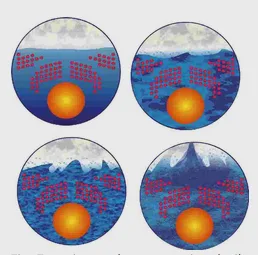
To put it simply, when a boiler heats water, it should theoretically produce clean steam and send it to the downstream for use. But in reality, pot water is often taken out "by the way". It may be water droplets or salt spray that is invisible to the naked eye. This situation where water or salt is mixed in the steam is called Steam Priming & Carryover.
It has two typical situations:
- Tumbling entrainment: The boiling is too intense or the steam demand suddenly increases, and the water surface turns up, bringing the water droplets out with it.
- Salt spray entrainment: Even if no water droplets are visible, the salt and silicate in the pot water may run into the pipeline with the steam.
Engineers often say with a smile that it is like boiling instant noodles with too much heat and causing the soup to bubble out of the pot.
Why does it happen?
The reason why soda and water evaporate together is actually not difficult to understand. Most of them are related to operating habits or water quality management:
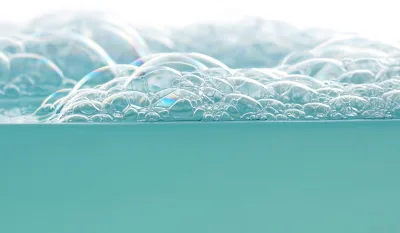
- The concentration of the pot water is too high and there are too many salts and silicates, so the bubbles will not burst easily, and as a result, the steam will take them with them.
- The water level is too high and the water surface is close to the steam outlet, so water droplets are easily sucked in.
- If the load changes too quickly, it is like a food factory suddenly turning on several steam equipment at the same time. The demand for steam increases instantly, and the water in the pot easily boils.
- The inefficiency of the separator or dryer does not separate the water and steam. It is like a broken filter, and the impurities naturally flow out.
What's the harm?
Many people will think: "It's okay to bring some water when you go out, right?" In fact, the problem is huge:
- The dryness of the steam decreases: When water is mixed in the steam, the thermal efficiency drops immediately and the fuel consumption increases.
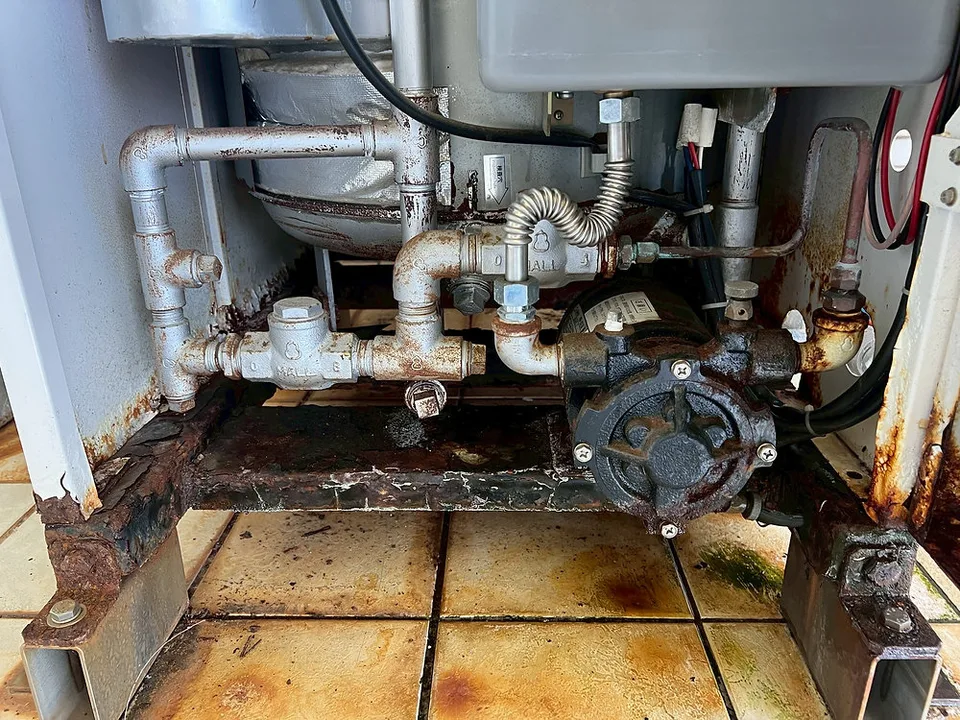
- Equipment damage: Salt enters the heat exchanger and steam pipes, causing scaling and corrosion. In the long run, repair costs are staggering.
- Safety risks: High-speed water droplets impacting pipelines may cause water hammer or even pipe bursts.
We once encountered a customer's steam valve that was scrapped after only two or three years of use due to long-term erosion by the steam and water.
Conductivity: the most practical monitoring indicator
When talking about the co-evaporation of soda and water, conductivity will definitely be mentioned. It represents the concentration of dissolved salts in the pot water. The higher the value, the "saltier" the water.
In practice, as long as the conductivity is too high, it means that the pot water is too thick and the bubbles are more difficult to burst, and the probability of soda and water co-evaporation will be greatly increased. In other words, conductivity is the best predictor of soda and water co-evaporation.
Generally speaking:
- Low-pressure boiler: conductivity controlled below 3,500–4,000 μS/cm.
- High-pressure boilers: preferably below 2,000 μS/cm.
If it exceeds this range, it is time to activate the drainage system to drain the concentrated pot water.
How to prevent it?
To avoid the co-existence of soda and water, the key point is to pay equal attention to "water quality management + operating habits":
- An automatic continuous discharge device is installed to control the conductivity and concentration ratio. When the conductivity exceeds the standard, part of the pot water can be automatically discharged to replenish fresh soft water.
- Discharge the sludge at the bottom of the pot regularly and intermittently to prevent sediment from affecting the circulation.
- The water level is stable and the automatic water level controller should be checked regularly to prevent the water level from being too high or too low.
- Improve separation efficiency by installing a dryer or high-efficiency separator to ensure that the steam dryness is maintained above 99%.
- To avoid drastic load changes, operators must be conscious and try to avoid switching on and off multiple steam equipment at an instant.
Summary
The co-evaporation of steam and water is one of the most underestimated issues at the boiler site. It will reduce the steam dryness, increase fuel costs, more likely damage equipment, and bring safety risks.
The most effective line of defense is conductivity control and regular discharge. As long as the conductivity is maintained within a reasonable range and good operating habits are developed, the boiler can stably produce clean steam, which is highly efficient and energy-saving.
👉 Remember one sentence: Only when the water quality is stable can the steam be clean; only when the emissions are correct can the boiler have a long life.