In a food factory, every steam line is the lifeblood of the process. Whether steaming buns, sterilizing, drying or heating, every kilogram of steam represents a competition between time and quality.
But you know what? Hidden in these pipes where steam flows at high speed is an invisible crisis that can cause "bang!" earthquakes to shake equipment and even shut down the entire system - Water Hammer.
What is water hammer?
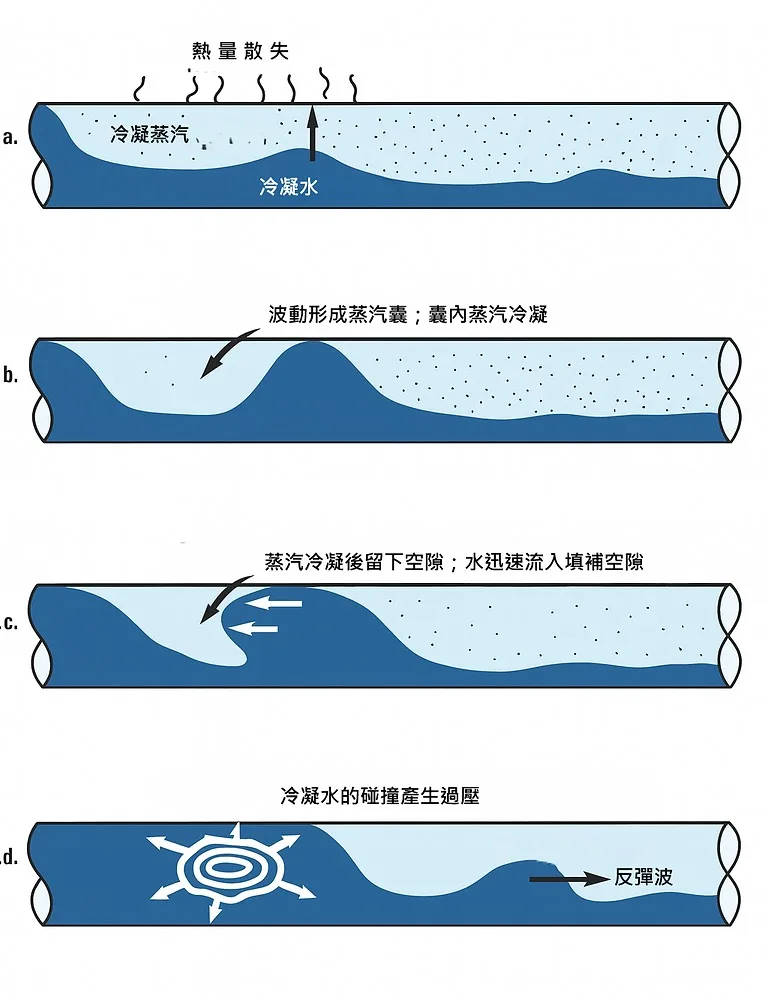
Water hammer, as the name suggests, is "the hammering of water." But it is not a mysterious device, but a severe pressure shock phenomenon caused by steam condensation, rapid valve closing or water and gas mixing.
Situational restoration:
Imagine a steam train running at high speed (that is, steam in a tube). Suddenly, condensation water in the front section blocks the passage. When the steam violently hits the condensed water, it will produce an impact sound and vibration like a hammer. This is water hammer.
In our factory, this "hammer" may break:
- valve
- Elbow
- flange joint
- Steam equipment (such as heaters, steam boilers, condensate recovery tanks)
The most common causes of water hammer in the food industry
Water hammer is particularly common in food processing lines for the following reasons:
Condensate water accumulates and is not discharged
When the steam flows through the heater or pipes, it cools into water. If the condensed water cannot be drained out, it will get stuck in the pipes. As soon as the next new steam comes in, it will "hit it" and cause water hammer.
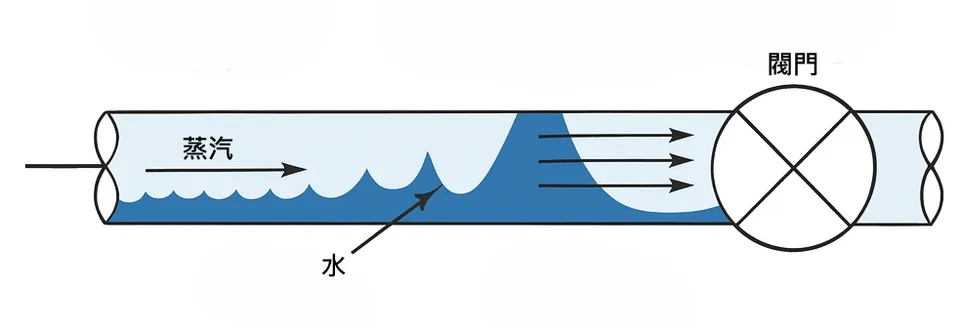
Quickly close the steam valve
Just like a sudden emergency stop on the highway, the pressure inside the tube changes instantly, causing the liquid and gas to squeeze and collide, triggering a shock wave.
Wrong pipeline design
If there are no drainage points in the low-lying areas of the steam pipes, or the slope is improperly designed, it is easy to cause condensation water to accumulate and cause water hammer.
How terrible is water hammer?
Some water hammers make a loud sound, "dong dong dong!" like someone knocking on a water pipe; others are almost silent, but their destructive power is even more amazing!
Possible damages include:
impact projects
Description
Broken pipe
The pressure rises instantly, the flange explodes, and the elbow deforms.
Equipment damaged
The pressure reducing valve is damaged, the steam valve is damaged, and the water trap fails.
Unstable production quality
Fluctuations in heat source supply affect food heating and sterilization effects
security risk
Operators are frightened or injured, causing occupational safety hazards
For example: In the steam heating tank of a large soybean milk factory, a water hammer incident caused the pipe to rupture, shut down the machine for six hours, and also damaged a heat exchanger. The maintenance cost and production line shutdown cost more than 300,000 yuan.
Five practical strategies to prevent water hammer
1. Install Steam Trap
The function of the water cooler is to "drain" the condensed water in the pipeline without allowing the steam to "leak" out. It is the first line of defense against water hammer.
In Taiwan, Steam Trap is often called "water trap" and is an important device necessary for every steam branch line.
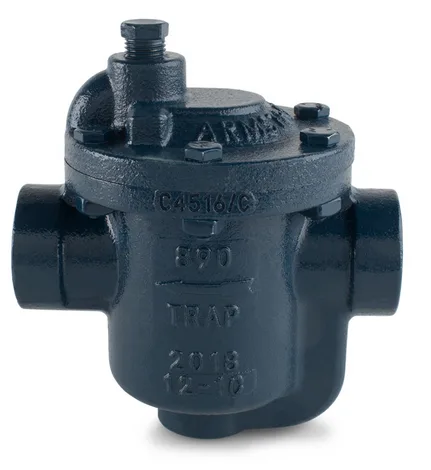
👉 Common water cooler types: float type, inverted bucket type, thermostatic type, thermodynamic type
👉 Installation suggestions: Water traps should be installed at the outlet, low point, and end of horizontal pipes of each section of heating equipment.
2. Slowly open and slowly close the valve
Closing a steam valve quickly can cause a sudden change in pressure, causing water vapor to hit. Operators should abide by the "slow on, slow off" principle.
3. Set up exhaust valve and drain valve
- Install an exhaust valve at a high point: exhaust air to avoid intermittent water hammer caused by air compression.
- Install a drain valve at a low point to facilitate regular manual drainage and remove accumulated water.
4. Establish a regular maintenance system
Many water hammer problems are caused by drain failure, blockage, and poor drainage. Food plants should:
Regular checklist suggestions:
- Test the drain function monthly (use an infrared thermometer or stethoscope)
- Manually operate drain valve weekly
- Observe the pipeline every day for abnormal sounds and vibrations
Chuang Ting’s professional advice
When we assist many food industry customers in designing or upgrading steam systems, the most common problems we deal with are:
"Why do the pipes next to our food processing equipment often vibrate? And are they very slow to heat up to several degrees every morning?"
The answer is often: water hammer + failure to install a drain + incorrect drainage design.
Investing in a correct water damper can protect equipment worth hundreds of thousands and avoid millions in downtime losses. Why not?
Let water hammer graduate from your factory
Water hammer is the most common and most overlooked invisible killer in steam systems. It not only affects the life of the equipment, but also directly affects the stability of food heating and sterilization.
To ensure that your food factory steam system is running smoothly and safely, please check now:
- Is a water trap installed?
- Are there appropriate slopes and drainage points?
- Are there any strange sounds or vibrations?