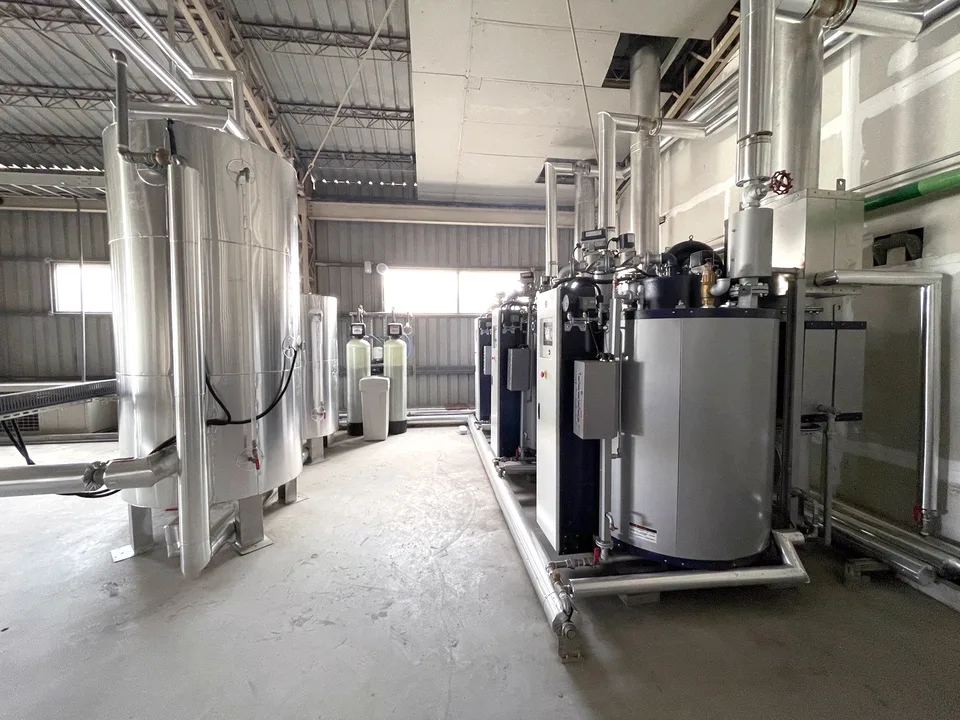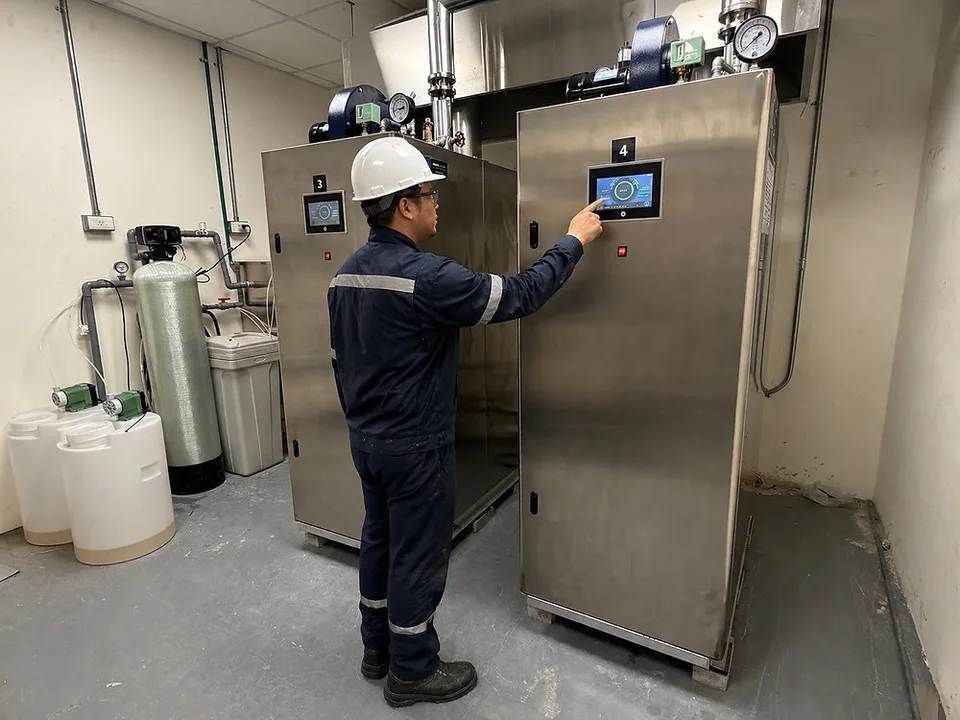
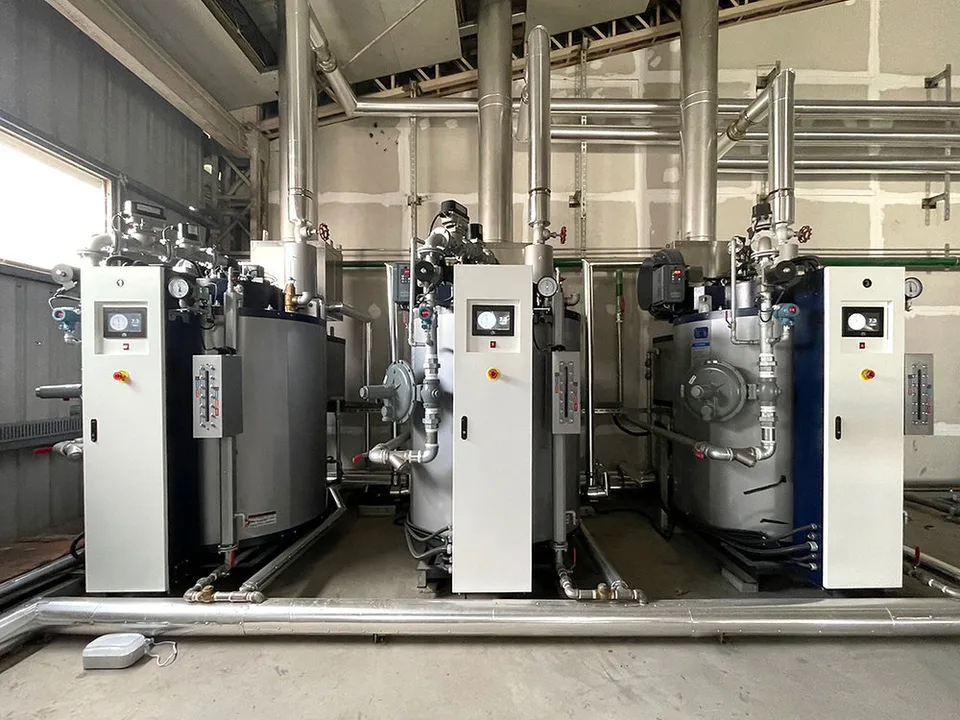
Advanced Practical Guidance for Production Managers
The response to our first 50 boiler questions showed a need for practical explanations. This second set addresses real plant operation. Many problems begin with undersized equipment, poor parallel-system design, unrecovered exhaust heat or inadequate water treatment. These weaknesses may appear only after years of service. Here we examine the details that affect cost, efficiency and equipment life.
Steam Quality and System Stability (51–60)
51. Why is the steam wet? Three common causes are:
1. Large load fluctuations Unstable water quality or excessive TDS Poor pipe insulation or drainage
Wetter steam transfers heat less effectively, destabilizing equipment temperatures and food-process consistency.
52. What does wet steam cause? Reduced heat transfer, water hammer, damaged valves, vibrating pipes and potentially pipe failure. It is a safety issue as well as an efficiency issue.
53. Is fluctuating steam pressure normal? No. It can indicate unstable combustion modulation or sudden load changes. Persistent cycling shortens the life of pressure switches and controls.
54. Is higher pressure better? No. Higher pressure means higher saturation temperature and potentially greater fuel use. Set pressure to actual process requirements.
55. What does 99% dryness mean? Approximately 99% of the wet-steam mass is vapor. High dryness supports effective heat transfer and reduces water-carryover problems.
56. How is steam flow estimated? Calculate process demand in kg/hr and consider a 10–20% margin for appropriate operational flexibility and expansion.
57. What if steam pipes are too small? Pressure loss rises and downstream equipment receives insufficient pressure or temperature. The problem may be piping rather than boiler capacity.
58. Why insulate steam pipes? Bare pipes lose substantial heat. Long uninsulated lines can waste significant fuel expenditure each year.
59. Can condensate be recovered? Recovery is strongly recommended where suitable because hot condensate can substantially reduce fuel consumption.
60. What does discolored condensate mean? It may indicate corrosion. Inspect water quality and the system promptly.
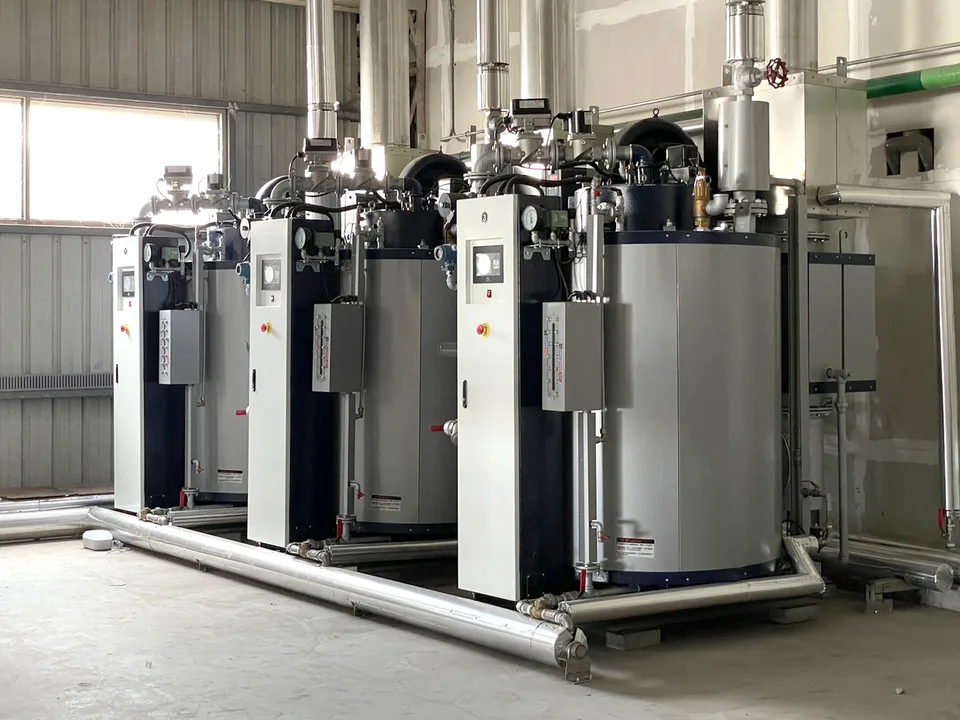
Combustion and Energy Controls (61–70)
61. How often should combustion be checked? At least annually; quarterly checks are recommended for high-load factories.
62. What happens with incomplete combustion? Fuel use, CO and flue-gas temperature can rise, wasting energy.
63. What does high exhaust temperature indicate? Heat is leaving without being recovered. Assess heat-transfer condition and potential economizer installation.
64. Does an economizer help? It can improve efficiency by 3–5%. At annual fuel spending of NT$5 million, 5% represents NT$250,000.
65. Why does the air-fuel ratio matter? Too much air carries heat away; too little causes incomplete combustion. Accurate adjustment is essential.
66. Natural gas or diesel? Natural gas burns cleaner and generally needs less maintenance. Diesel has a high heating value but produces more deposits and requires more frequent servicing.
67. Why has gas use suddenly risen? Check for scale, incorrect combustion settings and steam leaks.
68. How is efficiency calculated? Useful steam heat output ÷ actual fuel heat input × 100%.
Calculate absorbed heat using steam flow, steam enthalpy and feedwater temperature, then compare it with fuel input on a consistent LHV or HHV basis. Efficiency varies with test conditions and load; use site measurements as well as catalogue figures.
69. Does clear exhaust prove efficiency? No. Measure O₂ and CO with a combustion analyzer.
70. How is low gas pressure investigated? Check the upstream supply, then the regulator and pipe sizing.
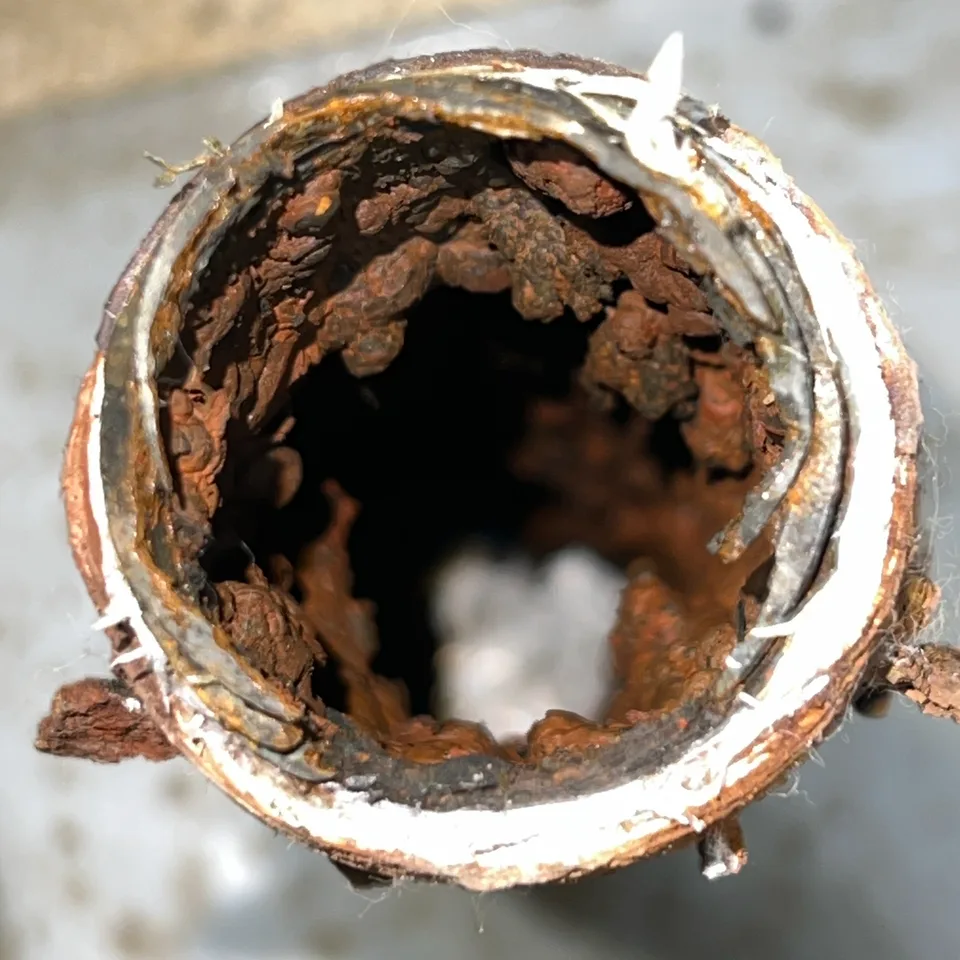
Advanced Water Treatment (71–80)
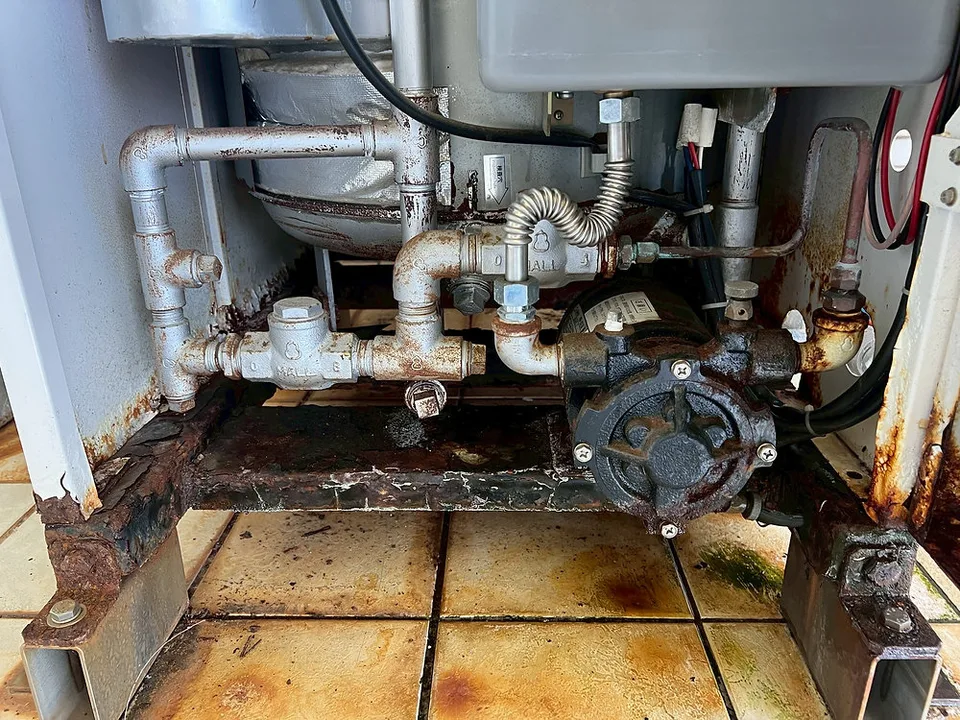
71. Why does corrosion occur? High dissolved oxygen, unsuitable pH and inadequate blowdown allow corrosive conditions and dissolved solids to accumulate, thinning metal and threatening pressure-component integrity.
72. Is a deaerator necessary? It is recommended for large continuously operated systems.
73. What boiler-water pH is typical? The source gives 10.5–11.5; use the range specified for your equipment and treatment program.
74. What is TDS? Total dissolved solids are dissolved minerals and salts in water. Excessive levels can cause foaming and carryover.
75. Why perform blowdown? It controls concentrated impurities. Too little causes deposits; too much wastes energy.
76. How is blowdown frequency determined? Adjust it to total dissolved solids and operating hours.
77. What if softener salt runs out? Resin cannot regenerate effectively, and the softener loses its ability to remove hardness.
78. Does RO water solve everything? No. Chemical treatment and control may still be needed.
79. What is the effect of 1 mm of scale? Efficiency may fall by 8–12%.
80. Does poor water quality shorten life? Yes. It is a major cause of premature deterioration.
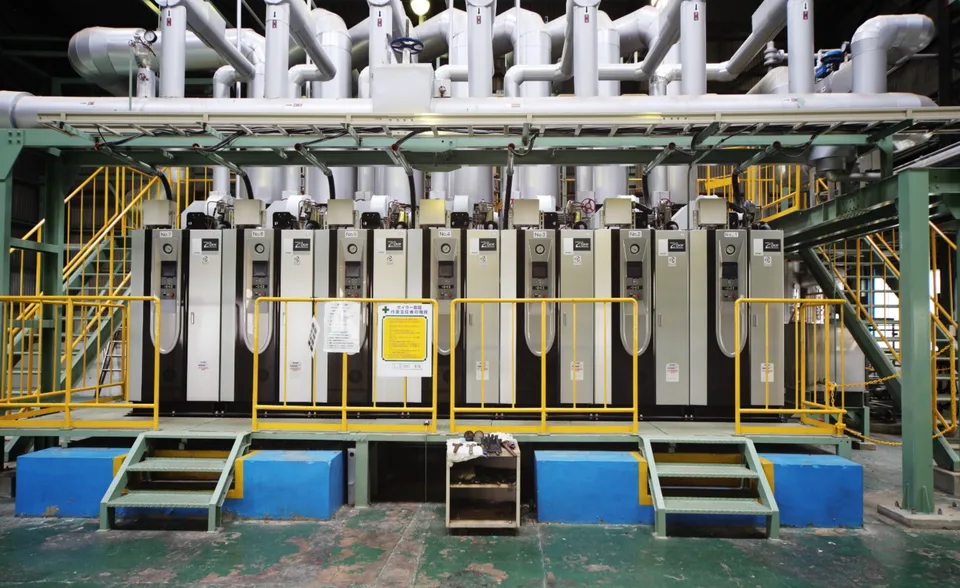
Parallel Systems and Overall Design (81–90)
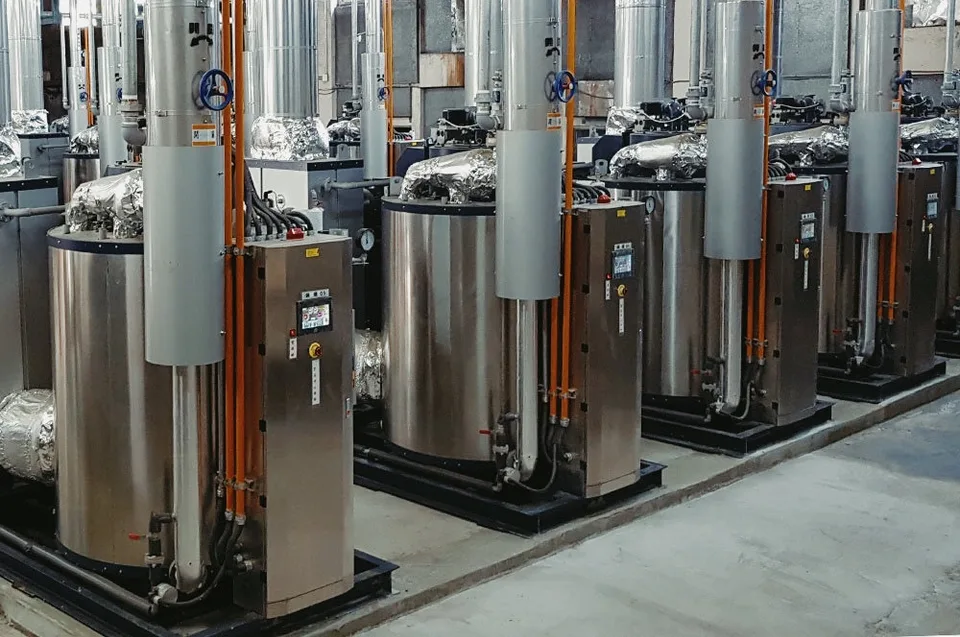
81. Why can parallel boilers be more stable? Run one at low load and start additional units as demand rises.
82. What limits a single large boiler? It takes more space and offers no unit-level backup. Servicing can interrupt the entire steam supply.
83. Are parallel systems difficult to manage? Correct design can make them more stable.
84. Why do food factories prefer parallel systems? They distribute risk where continuous production is essential.
85. Does steam-header design matter? Yes. Incorrect design can cause pressure fluctuations.
86. Do condensate returns need a slope? A suitable slope, commonly at least 1:100 for gravity sections, helps prevent standing water, water hammer and corrosion.
87. Must everything be replaced for expansion? Parallel systems can add units if space and connections were planned in advance.
88. Why ventilate the boiler room? Combustion requires a dependable air supply.
89. What matters outdoors? Protection from rain, sun and flooding.
90. Why is system design critical? Poor design wastes the benefits of good equipment.

Business and Cost Management (91–100)
91. What share of energy costs can boilers represent? In food factories, potentially 30–40%.
92. What is a typical energy-upgrade payback? The source estimates three to five years.
93. Is a maintenance contract worthwhile? Planned inspections and tuning are generally less disruptive than emergency repairs, and can reduce downtime, extend service life and preserve efficiency.
94. What are the risks of a used boiler? Besides uncertain spare-parts provenance, pressure-vessel fatigue and unverifiable operating history are major concerns.
95. What happens with incorrect sizing? Efficiency may remain far from design performance, raising the cost per kilogram of steam.
96. Why compare more than purchase price? Long-term costs depend on thermal efficiency, fuel use, piping, system design, water treatment, maintenance and downtime risk. Evaluate total cost of ownership.
97. What does a day of downtime cost? Besides lost output, consider idle labor, delivery delays, spoiled materials and customer confidence. Steam interruptions can affect the entire operation.
98. What should you ask about? Ten-year total cost of ownership.
99. Why does engineering capability matter? Design errors increase costs throughout the system.
100. What makes a dependable supplier? Look for complete steam-system expertise in selection, piping, water treatment, burner tuning and parallel controls, supported by local service and prompt repairs.
A steam boiler is part of a factory’s core energy system. Chuang Ting focuses on complete once-through system planning, energy-saving design and long-term performance, helping customers understand energy costs over the next decade.