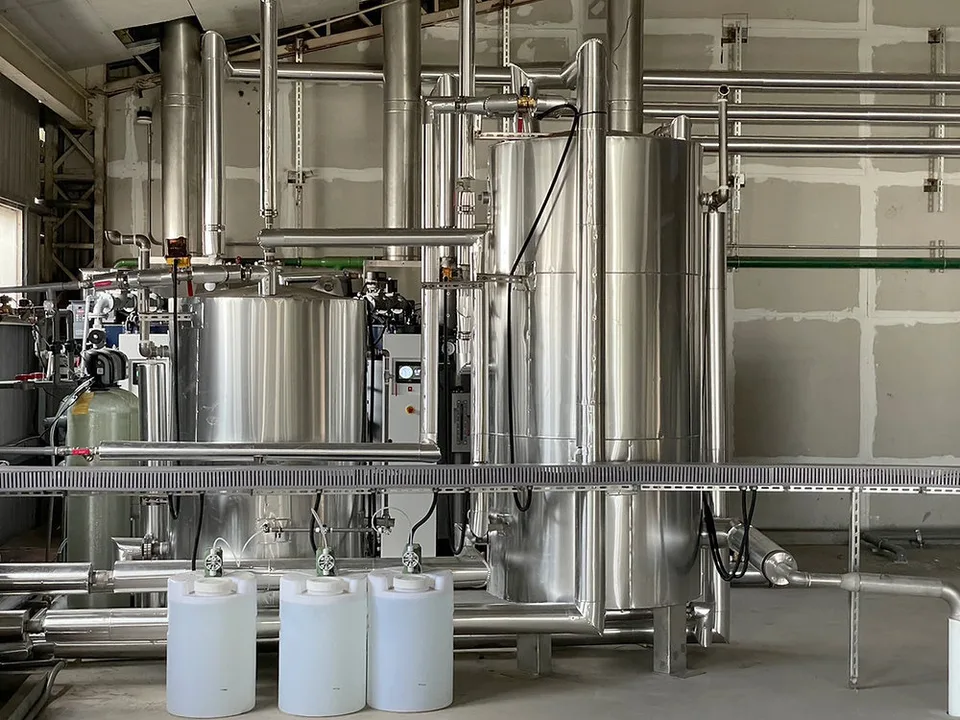
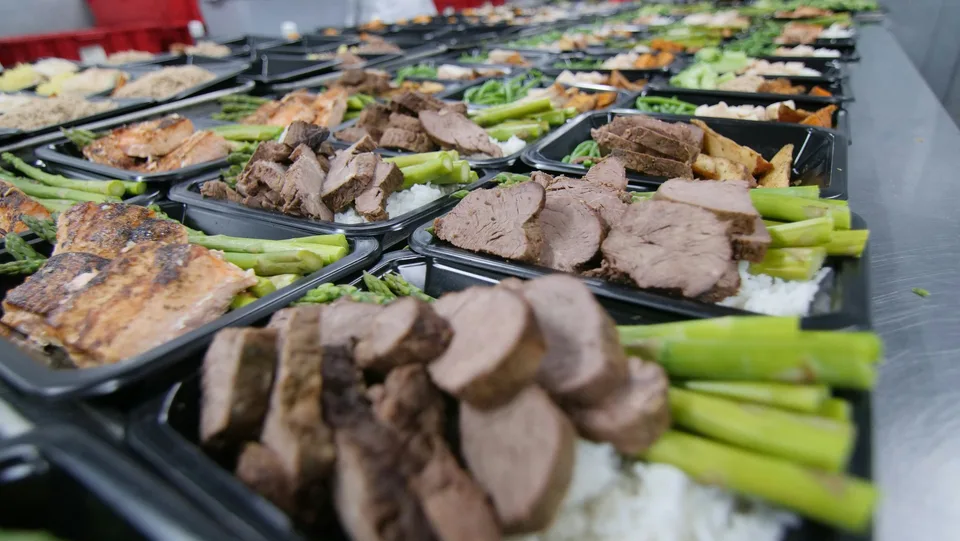
In a food factory, continuity concerns the whole production line. Even an hour of downtime can cause spoiled materials, delays, idle labor, complaints, food-safety risks and lost output. An unstable steam supply can be the underlying cause.
Food production needs steady steam for cooking, sterilization, steam cabinets and rooms, fermentation, holding temperatures, cleaning, hot-water heating and temperature control before packaging.
Experienced food manufacturers assess more than the boiler’s purchase price.
Instead:
- Will steam remain stable?
- Will pressure fall under load?
- Will the system shut down frequently?
- How quickly can service arrive?
- Can the supplier plan the complete system?
- Does the supplier understand food production?
- Is the piping professionally engineered?
- Are maintenance and technical support comprehensive?
The greatest concern for a food factory
The equipment alone is not the whole issue.
It is downtime.
Food Factories Need a Complete Solution
A steam system involves more than purchasing a boiler and connecting pipes. The difficult part is site integration. Each factory has different processes, and identical equipment can have different demands depending on production patterns and operating habits.
For example:
- Some factories require large bursts of steam.
- Some lines require stable temperatures over long periods.
- Some factories operate continuously, 24 hours a day.
- Some factories have distinct peak steam-demand periods.
- Some factories also plan future expansion.
Steam systems must be evaluated beyond equipment specifications.
Understand how the factory actually operates.

Chuang Ting Starts with Requirements and Site Planning
Understanding the process is essential to equipment planning. Chuang Ting discusses requirements with production teams, maintenance staff, plant engineers, operators and management before designing a food-factory steam system. This early coordination supports stable long-term operation.
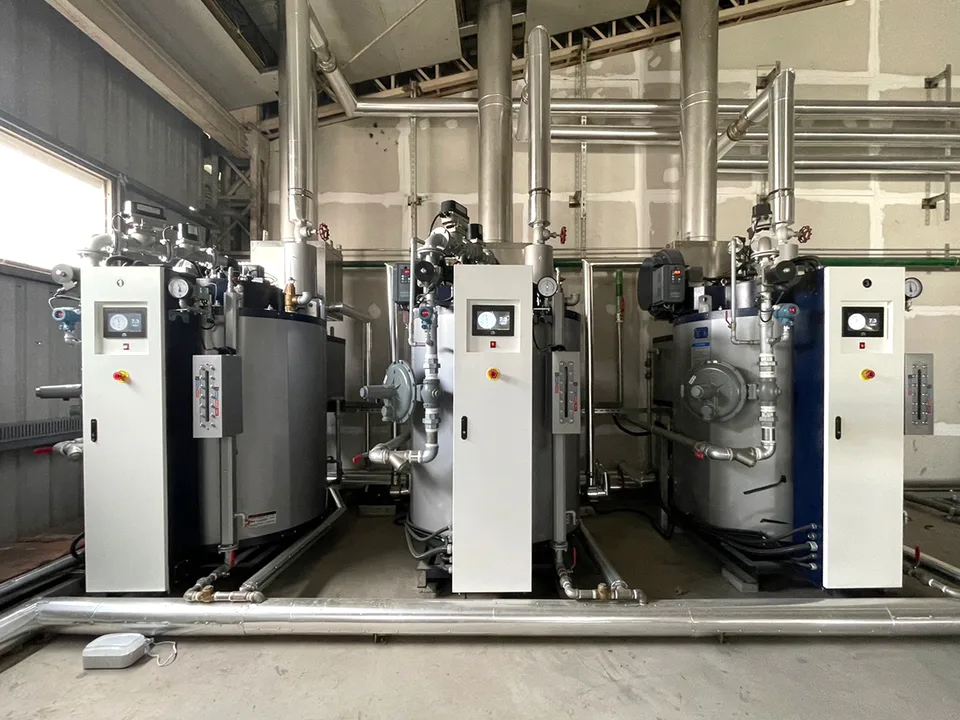
Why Understand Production Steam-use Patterns?
Many steam-system problems are not caused by equipment quality alone.
The system may not have been planned around actual use.
For example:
Some food factories need to:
- Start many machines together at specific times.
- Supply several production lines simultaneously.
- Start numerous steam cabinets simultaneously.
- Cook and clean at the same time.
Without understanding these requirements in advance,
Later problems may include:
- Insufficient steam capacity
- Pressure drops
- Uneven heating in steam cabinets
- Unstable temperatures
- Reduced production efficiency
Each of these affects product quality.
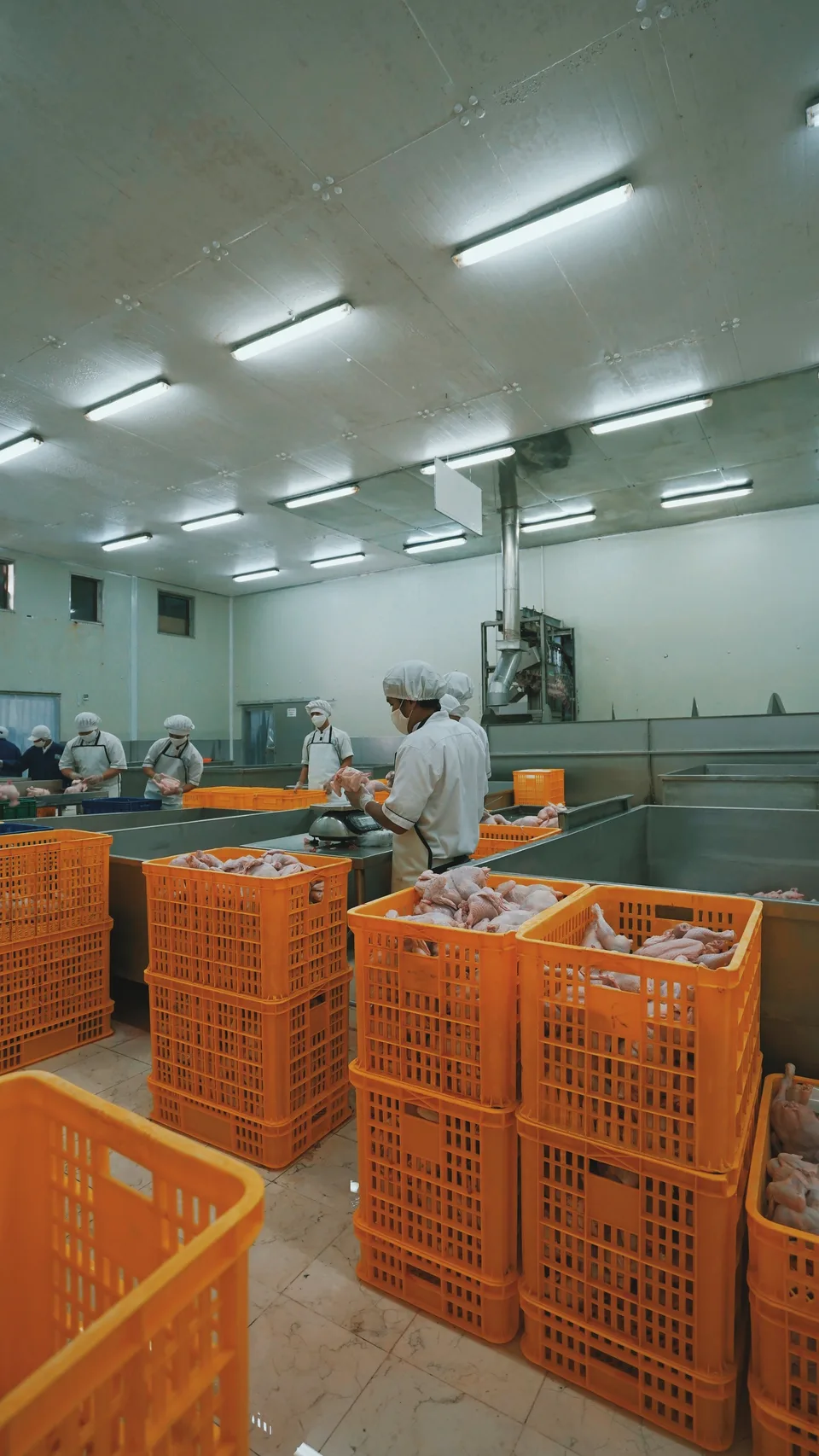
Good Planning Starts with Understanding the Process
When planning a steam system, Chuang Ting
Look beyond:
- Boiler Size
- Evaporation Capacity
- Pressure Data
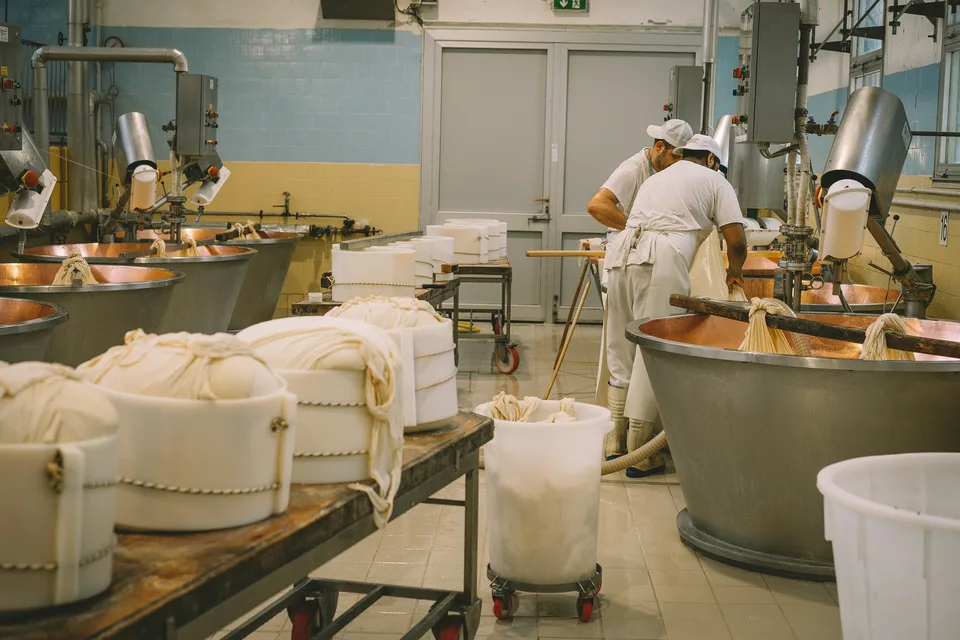
Begin by understanding actual factory operation.
For example:
- What is the daily production volume?
- When do different users need steam simultaneously?
- Is future expansion planned?
- How does the site layout work?
- Which equipment is most critical?
- Is backup capacity needed?
- When does peak steam demand occur?
A stable steam system follows the production process, with coordinated equipment and controls.
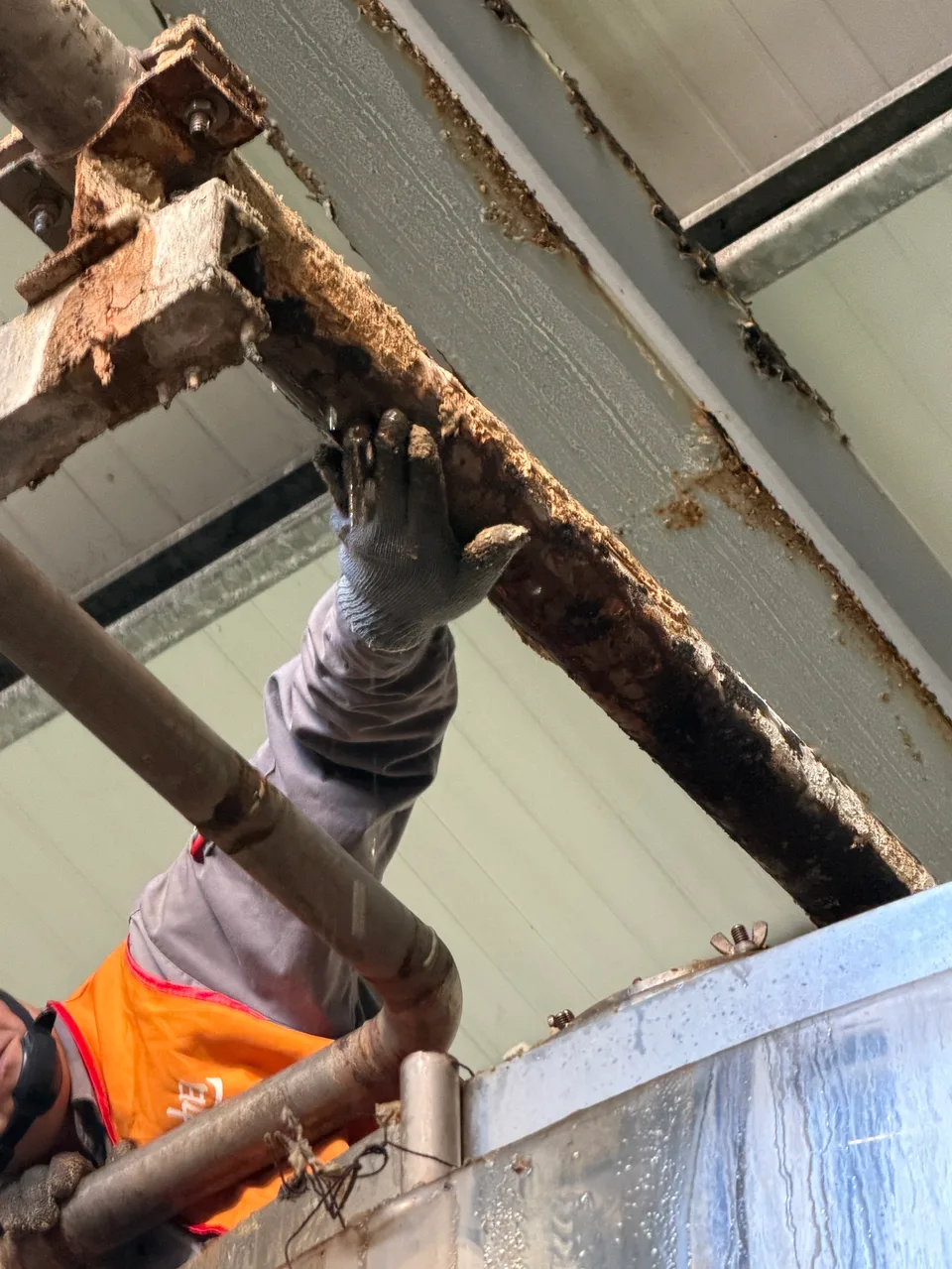
Why Do Some Steam Systems Become Harder to Operate Over Time?
Problems often begin with insufficient planning and decisions based only on price.
The outcome can be:
- Insufficient steam
- Disorganized piping
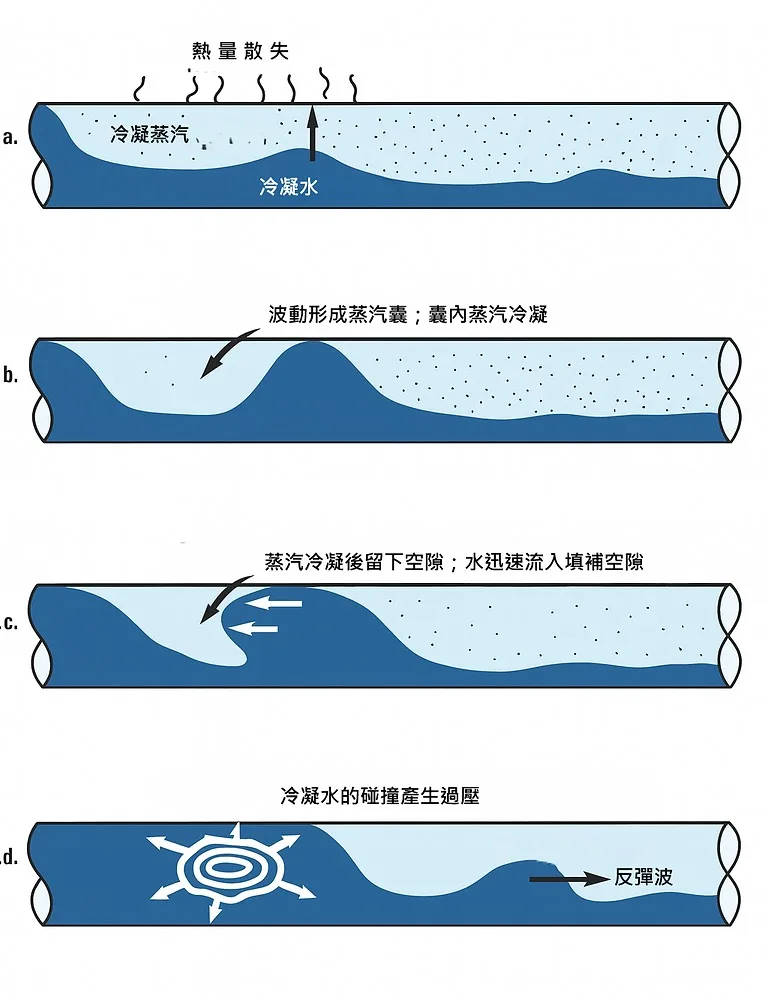
- Condensate accumulating in pipes
- water hammer
- Equipment interfering with other users
- unstable pressure
- Difficult future maintenance
Some factories eventually need the entire system rebuilt — a substantial avoidable cost.
Complete Steam-system Integration by Chuang Ting
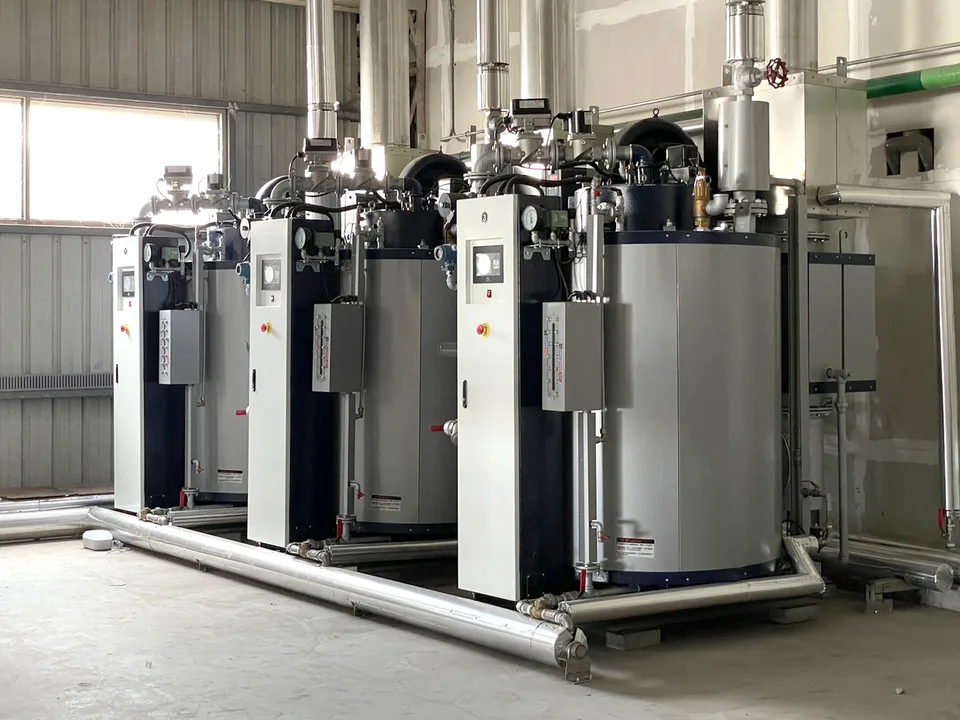
New customers sometimes see Chuang Ting as only a boiler manufacturer. We provide complete steam-system integration, coordinating initial planning through long-term maintenance.
Contains:
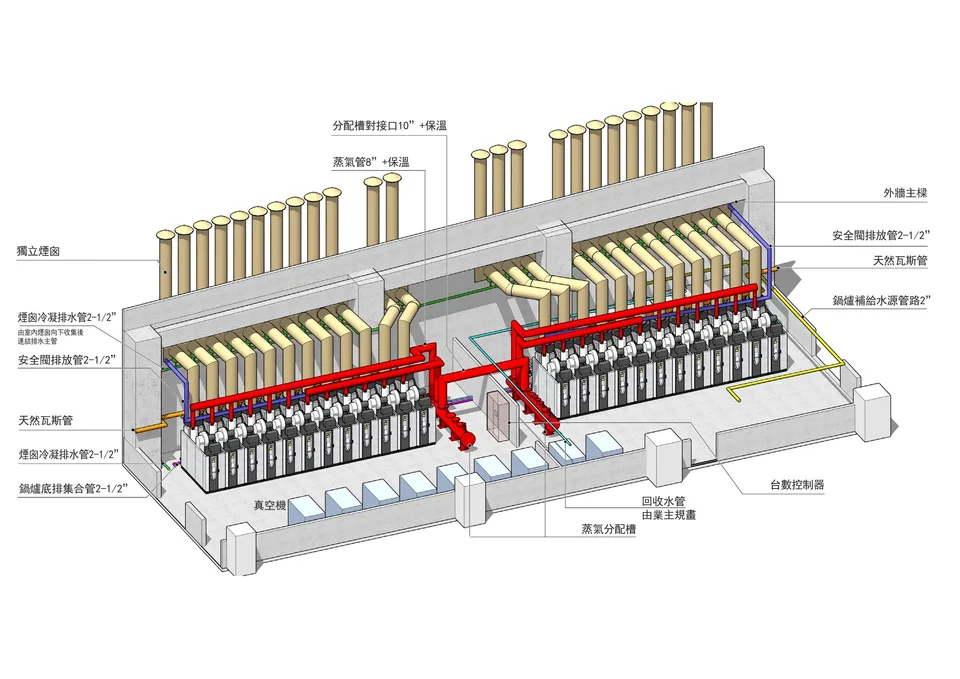
1. Early Steam-system Planning
Based on:
- Food processing
- Steam-use Patterns
- Production-line Requirements
- Available Site Space
- Future Expansion Plans
Help customers plan a suitable steam system.
Helping prevent:
- Insufficient steam supply
- unstable pressure
- Wasted energy
- Incorrect piping
- Difficult repairs
2. Steam Boiler Equipment
Chuang Ting provides:
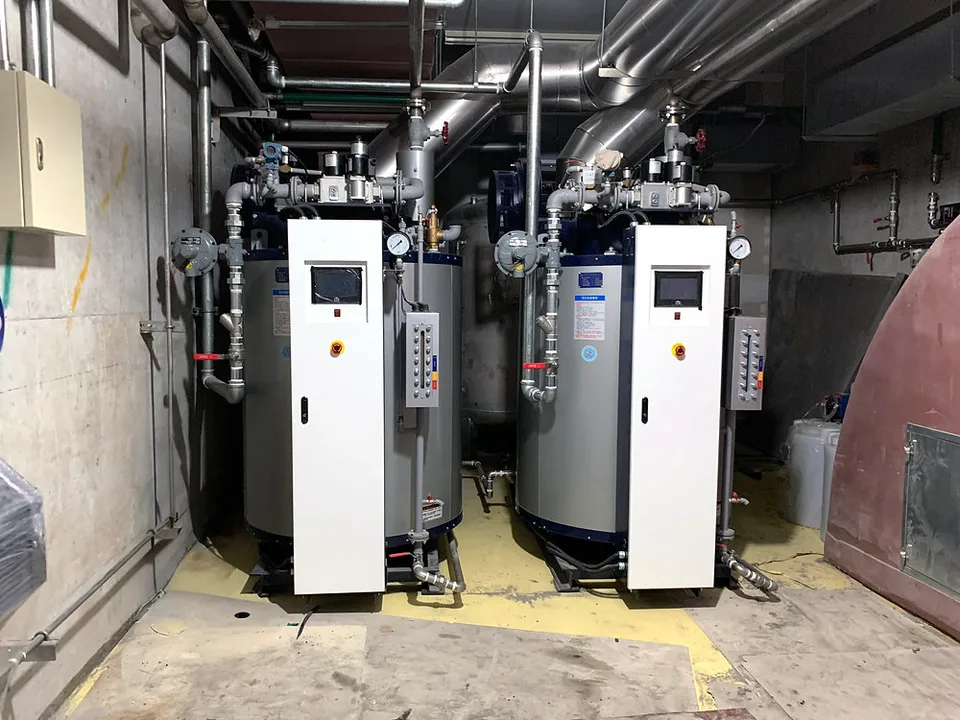
- Cross flow steam boiler
- High-efficiency Steam Boilers
- Gas-fired Steam Boilers
- Diesel-fired Steam Boilers
- Electric Steam Boilers
Design the heat-source configuration around each production line’s requirements.
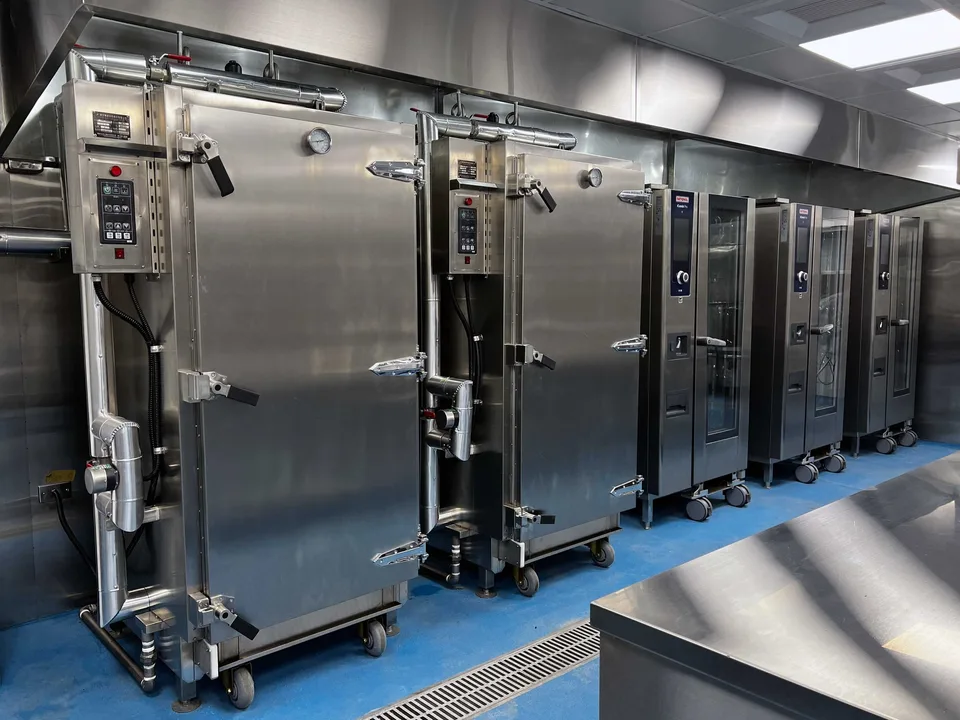
3. Steam Equipment Integration
Beyond the boiler,
Chuang Ting also supplies:
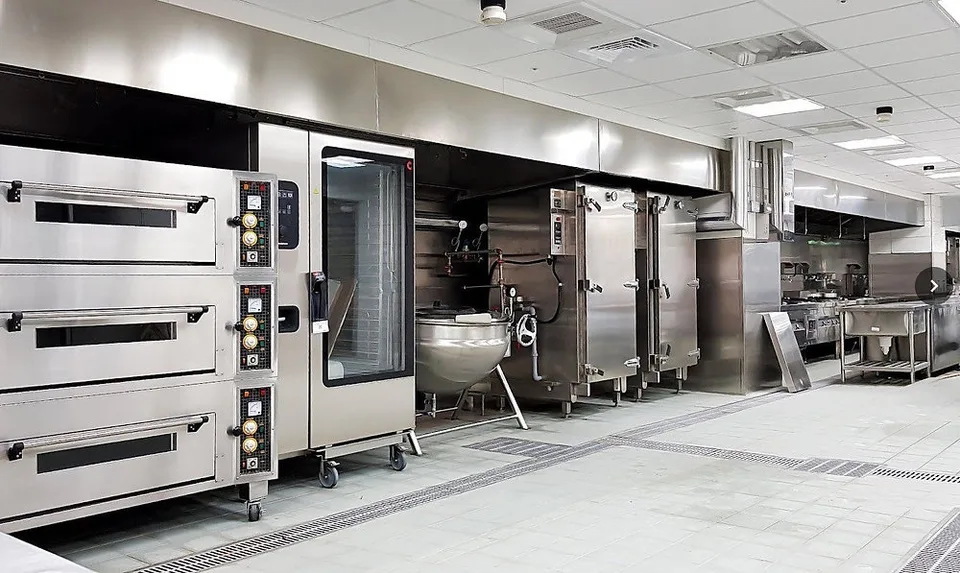
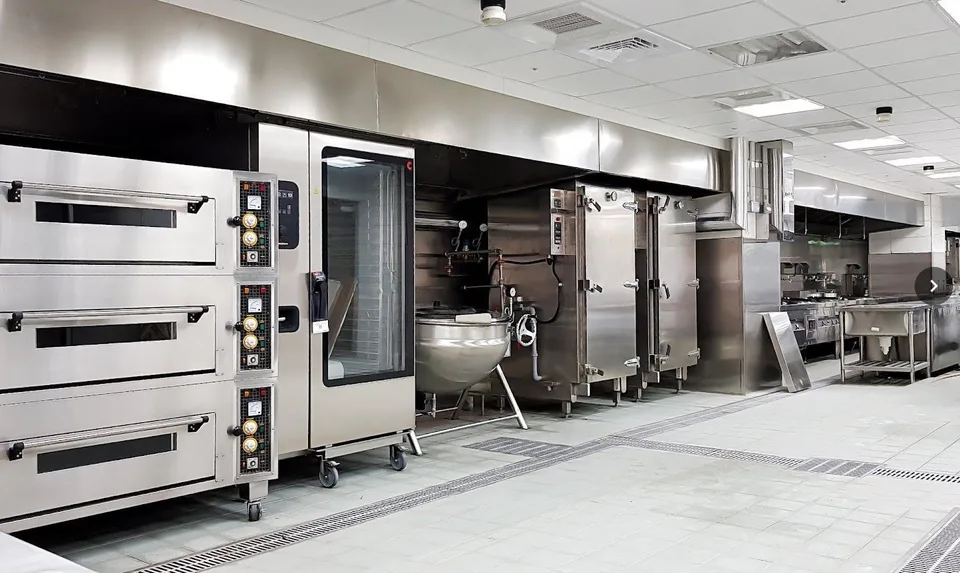
- Seven-station Steam Cooking Ranges
- Steam rice-roll steamer
- Steam-heated Holding Counters
- Three-tier Steam Rooms
- Steam Cabinets
- Steam-jacketed Tilting Kettles
- Steam-heated Equipment
Integrate the complete system from the heat source to the point of use.
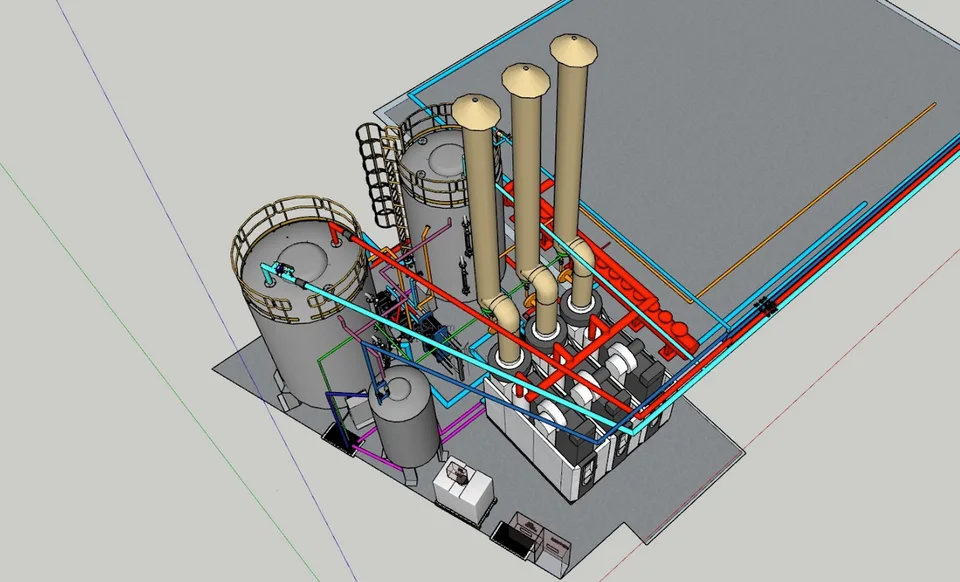
4. Steam Piping Engineering
Many steam-system problems
The boiler itself may not be the cause.
Incorrect piping design may be responsible.
Chuang Ting also provides:
- Steam-header Layout
- Pressure-reducing Stations
- Steam-trap Systems
- Condensate Recovery
- Steam Distribution Systems
- Pipe Insulation
- Downstream Steam Equipment Layout
Improve stability across the whole system.
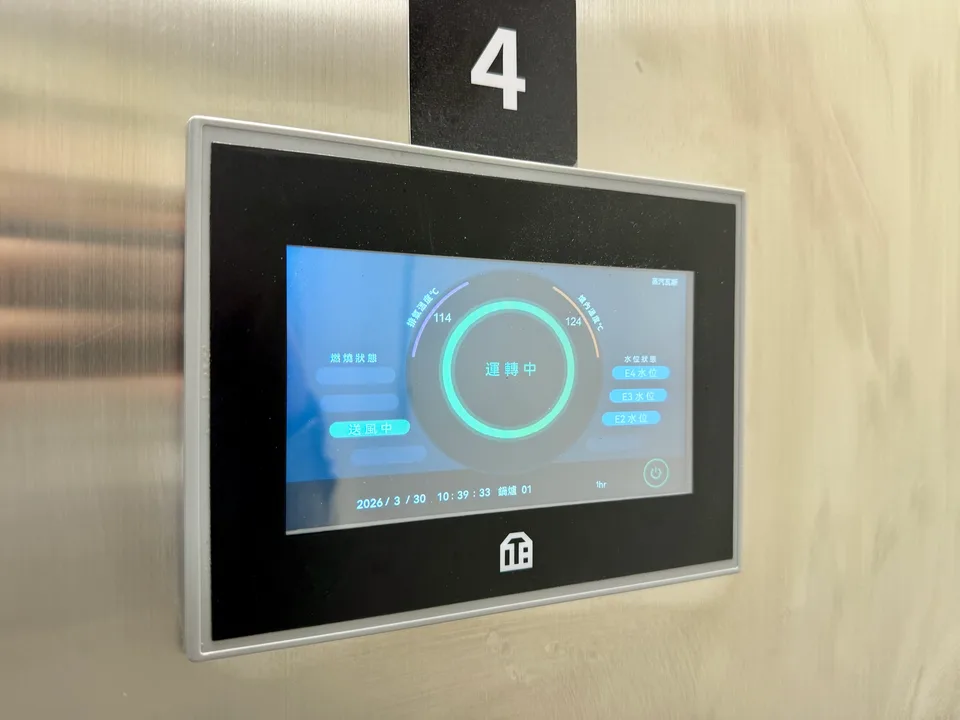
Why Are Food Factories Adopting HMI Touchscreens?
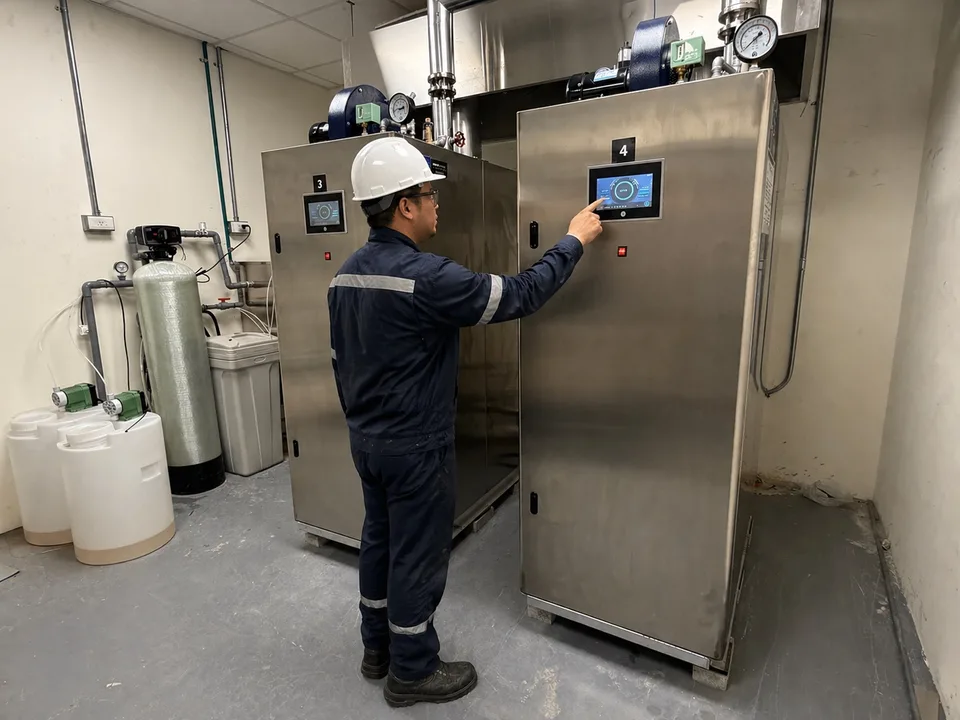
Older boilers often relied on indicator lights and buttons, leaving diagnosis dependent on the operator’s experience.
Modern food factories increasingly value HMI touchscreens and intelligent PLC controls.
It supports:
- Real-time Monitoring
- Fault Records
- Pressure Monitoring
- Fault-code Display
- Historical Records
- Service Follow-up
The main benefit is shorter downtime. Chuang Ting prioritizes responsive after-sales support because service differences can matter more than small equipment differences.
Food factories are especially concerned about:
- A shutdown in the middle of the night
- A fault during a holiday
- No available service support
- Waiting three days for repairs
- No one on site can diagnose the fault.
Chuang Ting prioritizes prompt repairs and after-sales support.
Through:
- Live LINE Customer Support
- Assessment from Site Photos
- HMI Fault-code Analysis
- Remote Assistance
- Professional Engineering Team
Keep downtime as short as possible.
Lost time often costs more than the repair itself.

Chuang Ting Invests in Engineering-team Training
Steam-system repairs require specialist knowledge, including:
- Steam-system Experience
- Electrical Control Diagnostics
- Combustion Tuning Expertise
- Piping Expertise
- Safety Awareness
- On-site Troubleshooting
Chuang Ting places strong emphasis on technical training. Its service engineers combine years of site experience with ongoing professional development. Food factories need prompt diagnosis, effective repairs and a quick return to production.
Chuang Ting’s Approach to Steam Systems
Chuang Ting has supported:
- Food plants
- Biotechnology Facilities
- Beverage Plants
- Dairy Plants
- Central kitchens
- Hotels and Catering
The aim is a stable, safe and efficient steam system. A complete solution involves much more than selling one boiler.
It includes requirements assessment, site planning, boilers, steam equipment, piping and ongoing repairs and maintenance.
Experienced food manufacturers understand that downtime can cost more than the boiler itself.