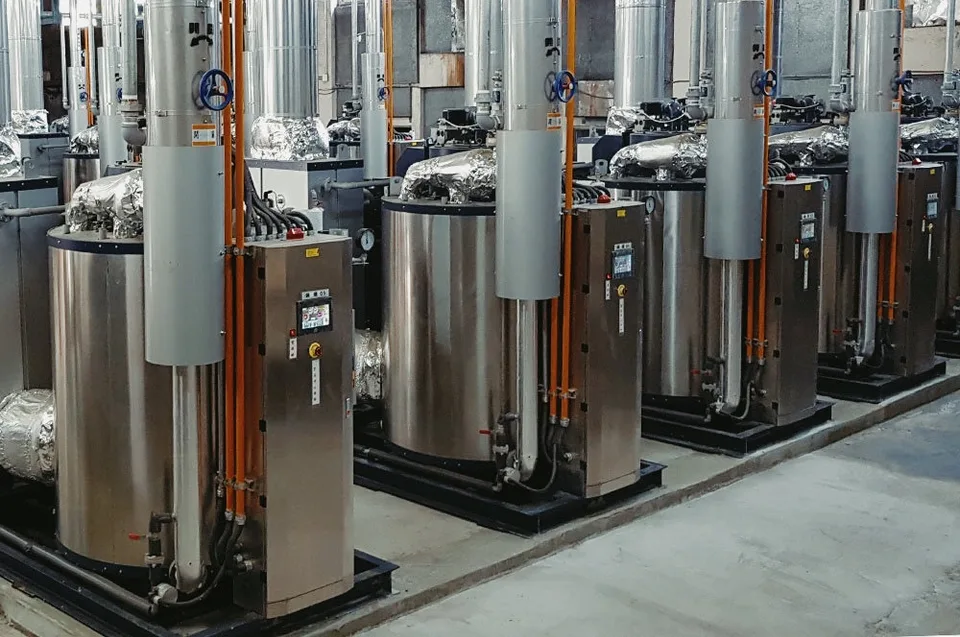
In steam systems, pipeline piping engineering is a key link that affects efficiency, stability and operating costs. Only by rationally selecting pipe diameters, planning main pipes and branch pipes, and matching equipment such as pressure reducing valves, bypass groups, pressure gauges, and water coolers can an efficient and stable steam system be created. Today, Chuang Ting Boiler will fully analyze these key technologies for you!
1. The importance of pipe diameter selection: the perfect balance between efficiency and cost
The selection of the diameter of the steam pipeline not only affects the transmission efficiency, but is also directly related to the cost and system stability:
- Excessive pipe diameter: This will reduce the steam flow rate, increase the risk of condensation water accumulation, and increase material costs.
- Pipe diameter is too small: excessive pressure loss may occur due to excessive steam flow, affecting the normal operation of terminal equipment.
Key points for pipe diameter design:
- Calculate the pipe diameter based on the steam flow rate and keep the steam flow rate at 15-40 meters/second, taking into account both efficiency and stability.
- If the system needs to be expanded, the main pipe diameter needs to be appropriately reserved to cope with future load increases.
2. Main pipe design: the “artery” of the system
The main pipe is the core delivery pipe of the steam system, and its design directly affects the overall performance:
- Matching of pipe diameter and flow: The pipe diameter of the main pipe should meet the maximum steam demand of the entire system, reduce pressure loss, and ensure stable supply.
- Slope design: The main pipe needs to be set with a slope of 1-2% to allow condensate water to flow naturally to the drainage point to avoid accumulation of water affecting steam quality.
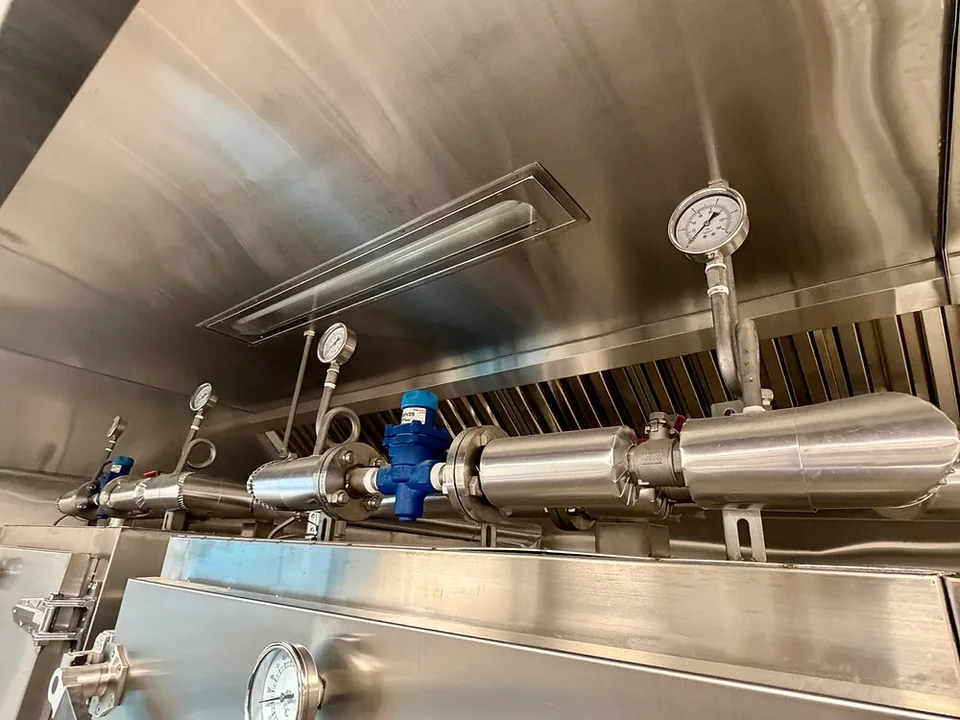
- Pressure management: Install a pressure reducing valve and pressure gauge on the main pipe to monitor and adjust the pressure in real time to ensure operational stability.
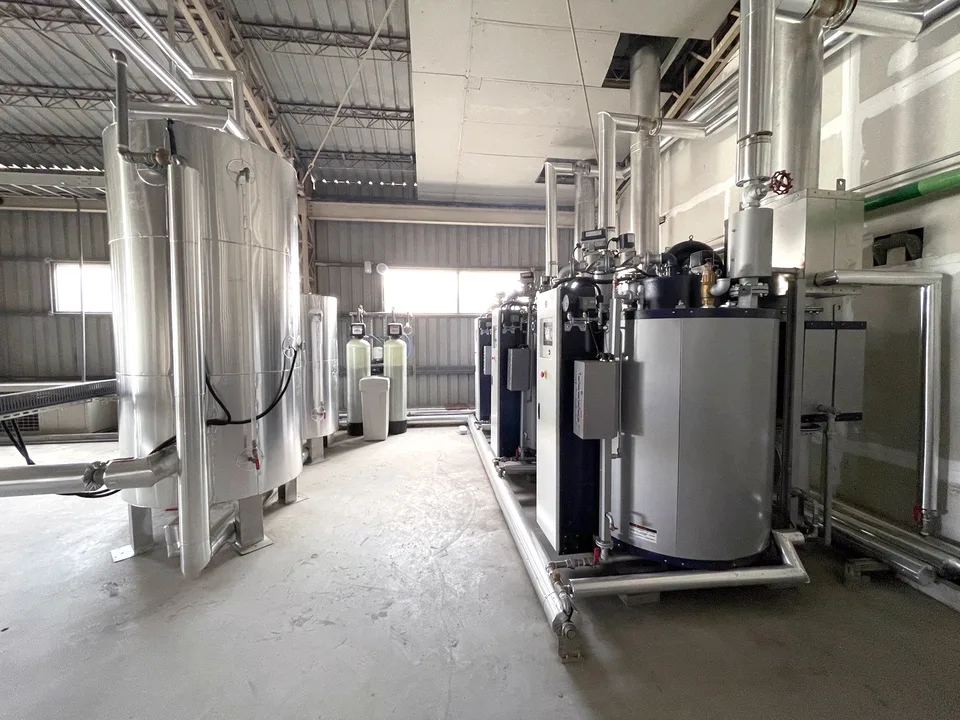
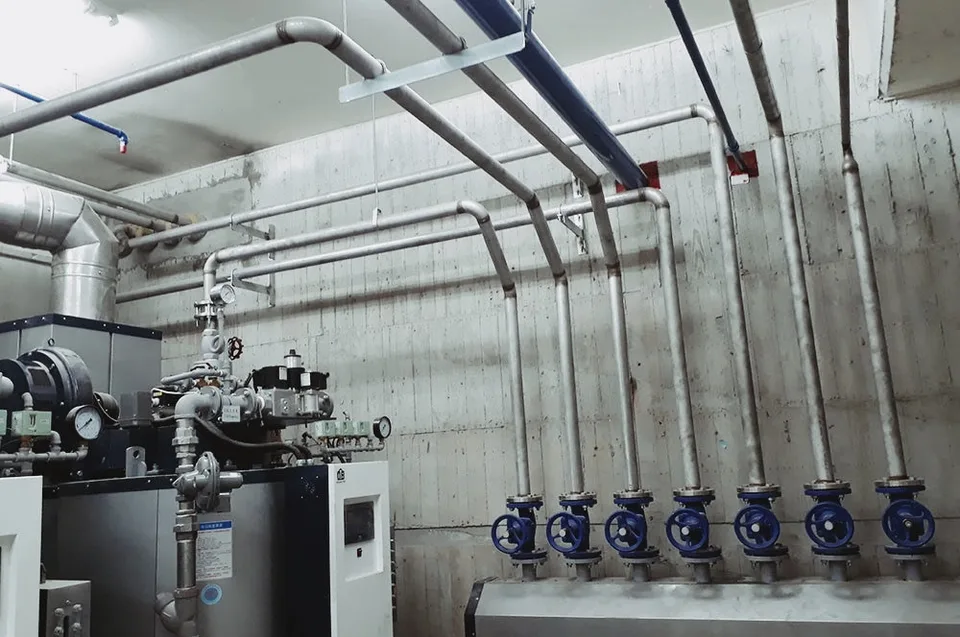
3. Branch tube design: “capillaries” with efficient distribution
Branch pipes distribute steam from the main pipe to various usage points, and their design must fully consider equipment requirements and distribution efficiency:
- Matching of pipe diameter and load: The pipe diameter of the branch pipe should be designed according to the steam demand of the branch to avoid excessive pressure loss affecting equipment performance.
- Connection angle: The branch pipe should be connected upward to the main pipe at a 45-degree angle to prevent condensed water from flowing back into the equipment.
- Independent control: It is recommended to install a stop valve on each branch pipe to facilitate independent maintenance or flow adjustment and improve system flexibility.
4. Pressure reducing valve and bypass group: guarantee of elastic operation
The pressure reducing valve is an important device for regulating steam pressure, and the bypass group is the best combination to improve flexibility and maintenance convenience:
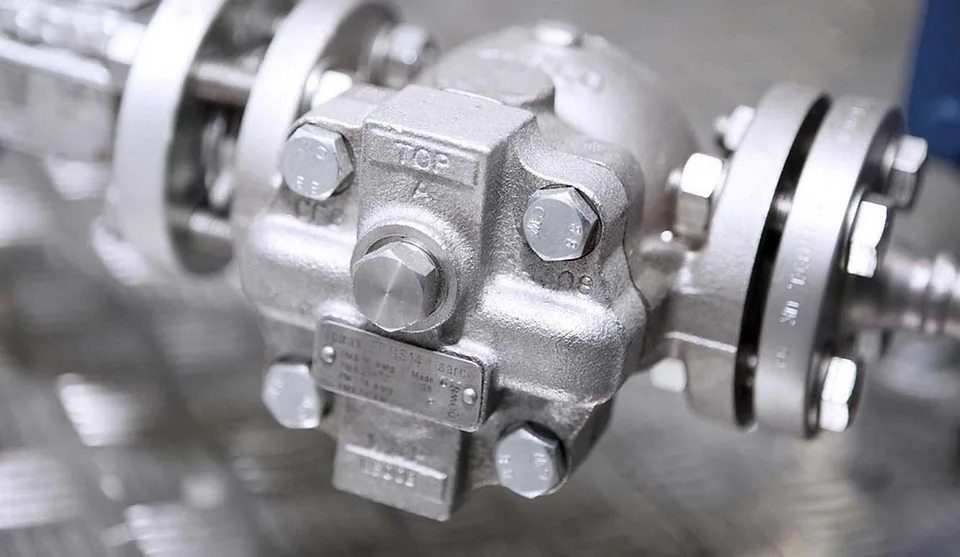
- Pressure reducing valve function: Stabilize steam pressure to meet the needs of different equipment and avoid system failure caused by too high or too low pressure.
- The role of the bypass group: The bypass pipeline ensures that the steam supply to the system is not interrupted when the pressure reducing valve is inspected or replaced. The three-valve bypass design includes an inlet valve, an outlet valve and a bypass valve, which can flexibly switch the flow direction and make the operation safer and more convenient.
5. Pressure gauge: a key tool for data monitoring
The pressure gauge is the "eye" in the steam system, providing data support for operation monitoring and maintenance:
- Installation location: The pressure gauge should be installed before and after the pressure reducing valve and on the bypass pipe to monitor pressure changes in real time to ensure stable delivery.
- Selection suggestion: A special pressure gauge with high temperature and high pressure resistance should be selected, and a diaphragm should be installed to prevent condensation water from entering and affecting the reading accuracy.
6. Water cooler and condensate water management: guardian of dry steam
Condensate in steam lines can reduce system efficiency and damage equipment, so it must be dealt with effectively:
- Water cooler function: Efficiently separate condensed water to ensure that dry steam is delivered to the equipment and improve energy efficiency.
- Condensate discharge design: Set drainage equipment at the low points of the main pipe and branch pipes to avoid water hammer effect or equipment damage caused by accumulated water. The bypass pipe can also be used to temporarily divert condensate water to ensure the continuity of system operation.
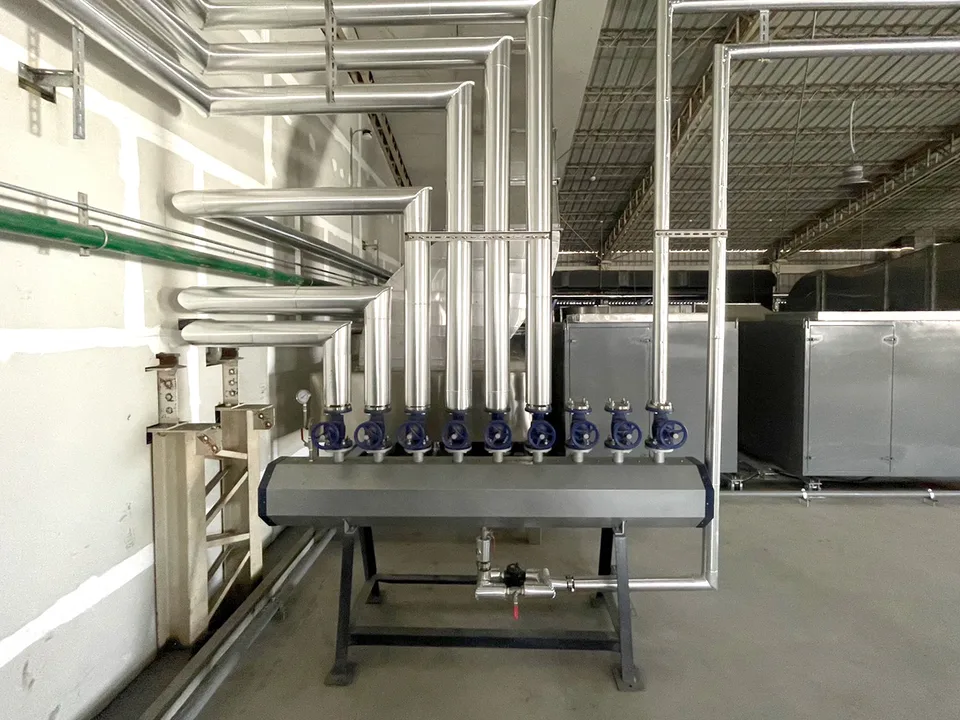
7. Sharing of successful cases: How design and planning can improve efficiency
Large steam system in a food processing plant:
- The main pipe is selected to have a diameter of 3 inches, covering the entire plant's steam supply, and a slope is set to guide the condensed water to the water cooler.
- The branch pipes adopt 1-inch and 3/4-inch diameters according to the equipment load, and are equipped with pressure gauges and stop valves to achieve precise distribution.
- Results: The system operating pressure is stable, steam loss is reduced by 15%, condensation water problems are significantly reduced, and production efficiency is significantly improved.
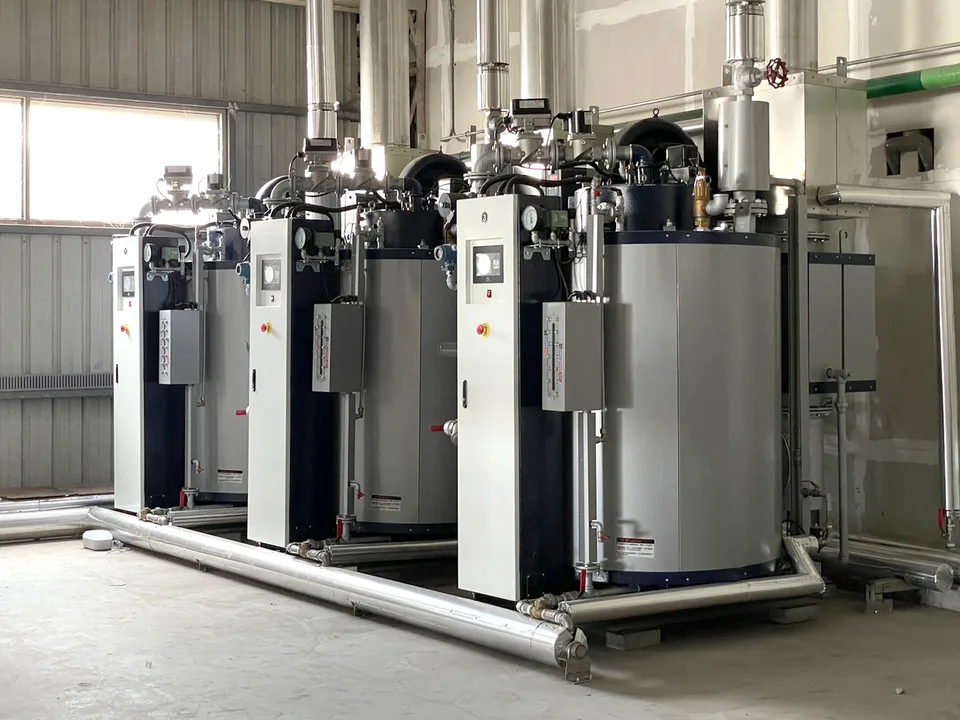
Summary
Steam pipeline piping is a project that requires both technology and experience. From pipe diameter selection, main pipe and branch pipe design, to the configuration of pressure reducing valves, bypass groups, pressure gauges and water coolers, every link is crucial to system efficiency and safety. If you have any needs for steam system design or optimization, please contact the professional team of Chuang Ting Boiler! We will wholeheartedly provide you with efficient and stable steam solutions!