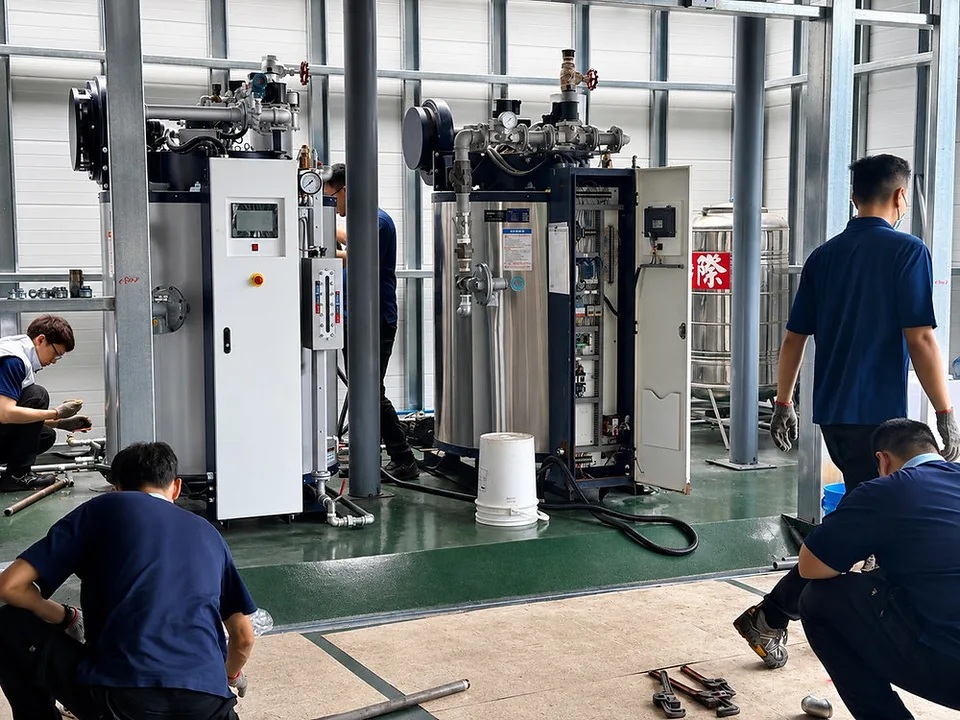
Understanding the Complete Steam Boiler Installation Process
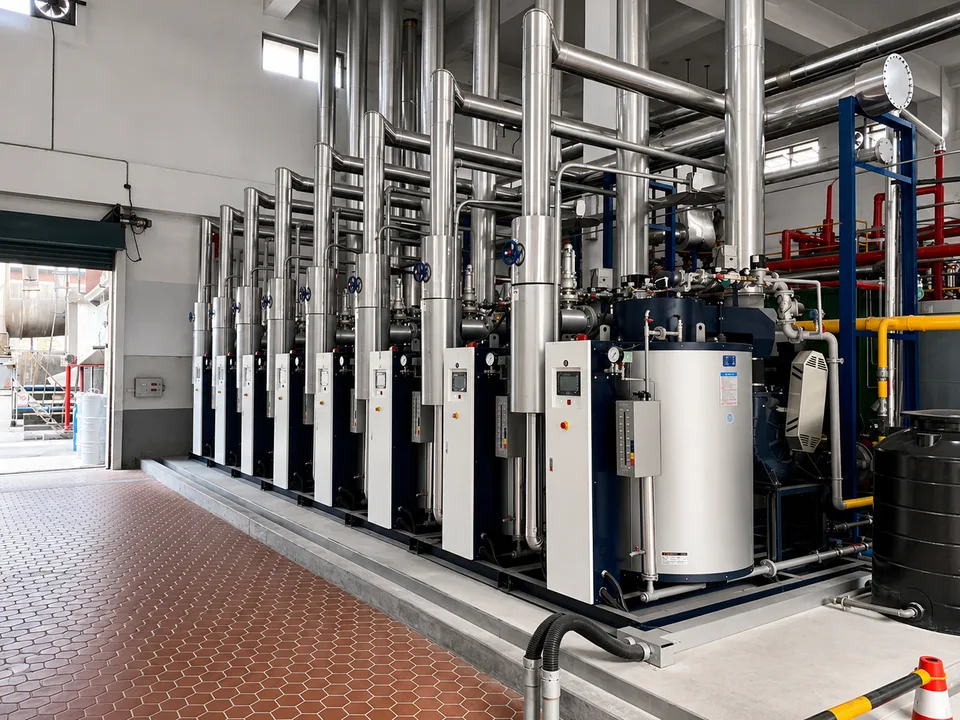
Delivering and positioning a new boiler is only the beginning. Installation also includes water softening, feedwater, check valves, steam headers, condensate drainage, traps, fuel piping, electrical work, flues and weatherproofing. Handover follows ignition, combustion adjustment, load testing and operator training.
Factories also need installations completed within workable shutdown windows. Food production, central kitchens, laundries and manufacturers depend on steam. A coordinated team and detailed schedule help deliver correct work on time.
This article takes you through each stage of steam-system installation.
Step 1: Position the Boiler for Future Maintenance
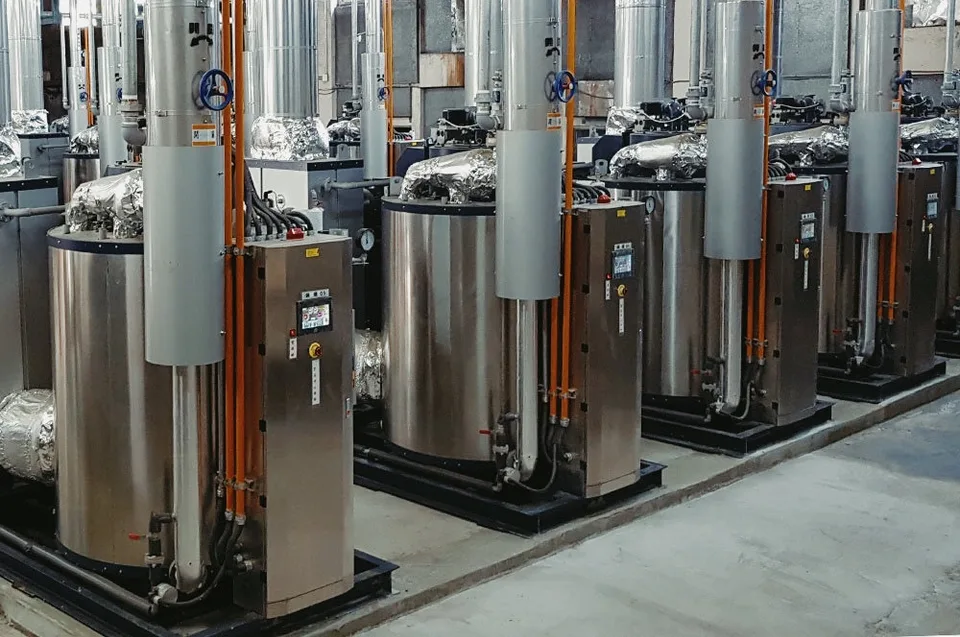
When equipment arrives, engineers consider more than whether it fits:
- Allow the control-panel door to open fully for inspection and repairs.
- Burner and component removal access: some parts may need replacement every two or three years.
- Provide pump and valve service access; cramped arrangements increase maintenance costs.
- Convenient inspection access and a clear daily operating route
Overly tight layouts may look acceptable at installation but prevent future component removal. Having to dismantle piping before a repair creates substantial hidden costs.
Equipment placement should account for years of use and maintenance from the start. Planning access now avoids future costs.
Step 2: Plan Pipe Routes Carefully
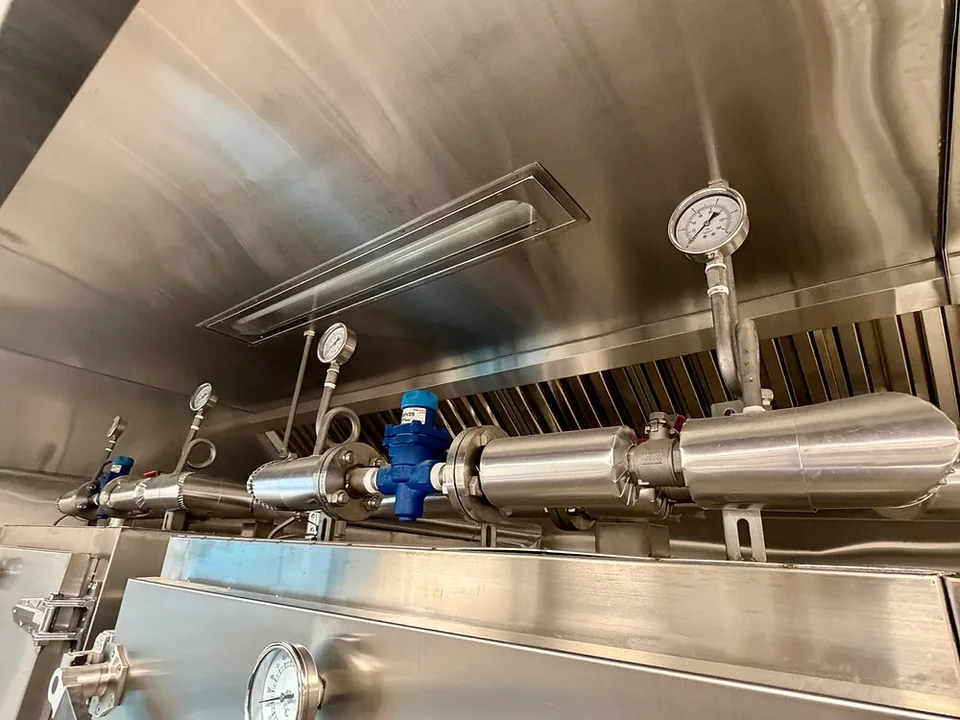
Steam piping requires careful routing from the boiler to existing plant systems, accounting for bends and possible low points. These decisions depend on engineering experience.
Key Steam-piping Design Considerations
Thermal Expansion and Slope
Steam pipes expand as they warm from ambient to operating temperatures, often 140–180°C. The article discusses expansion allowances in relation to ASME B31.1 piping design, with the following example for steel pipe:
- At 150°C: approximately 180 mm per 100 m
- At 170°C: approximately 210 mm per 100 m
Design suitable slopes, supports and expansion allowances to prevent excessive loads on pipes and flanges.
Condensate and Low-point Drainage
Condensate forms as steam travels. Accumulation at low points can cause water hammer, resulting in:
- Pipe vibration and noise
- Damage to downstream equipment
- Steam quality deteriorates
Provide drainage at low points and suitable pipe slopes so condensate leaves the system effectively.
Maintenance Access and Operability
Neat piping is only the starting point. Good engineering still makes sense when technicians return to service the system five or ten years later.
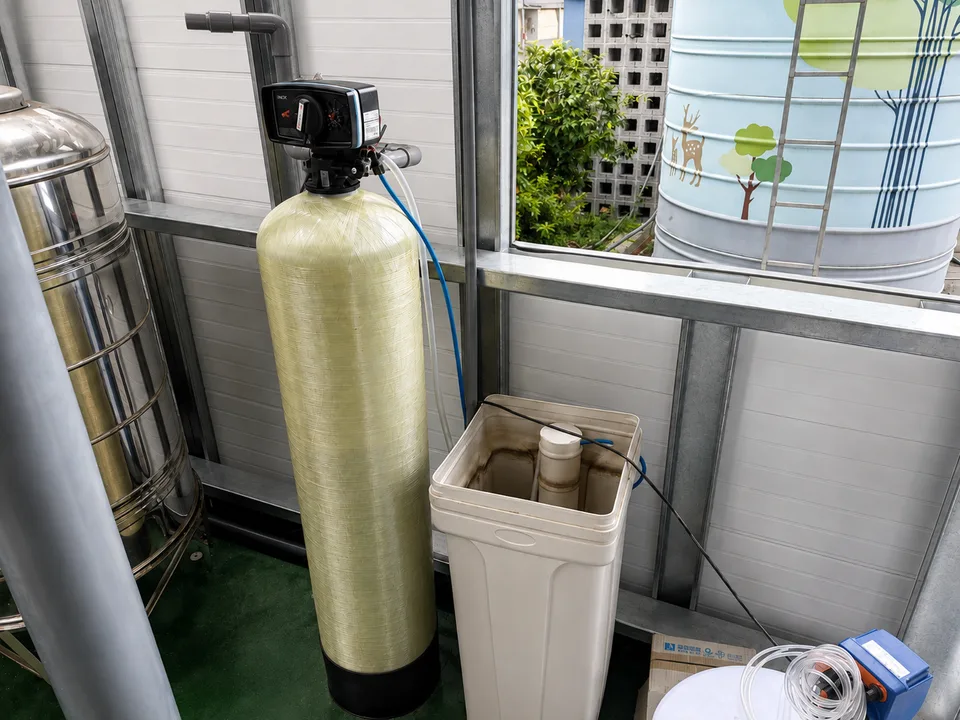
Step 3: Water Softening — Protect the Boiler
Boilers turn water into steam every day. Water quality is therefore essential, yet often overlooked.
Why Water Treatment Deserves Careful Planning
Untreated calcium and magnesium hardness can form scale on heated surfaces. The source highlights raw-water hardness above 150 ppm as a significant scaling concern.
The Effects of Scale
- Reduced heat transfer can waste 5–15% more fuel.
- Greater thermal stress on heating surfaces can shorten boiler life.
- Steam-quality problems: water and salt carryover can affect food applications.
Complete Water-softening System
A complete softener installation includes:
- Sizing: determine treatment capacity and regeneration frequency from boiler output and water conditions.
- Raw- and softened-water piping: verify flow order and regeneration logic.
- Salt management: replenish regeneration salt regularly.
- Regeneration: set timing to raw-water hardness and usage.
- Water testing: check softened-water hardness regularly.
At handover, operators should understand water-quality checks and softener management. Water-related damage develops gradually and may be well advanced before symptoms appear.
Step 4: Feedwater — Distinguish Feedwater and Steam Check Valves
Two distinct check-valve functions are important to boiler-system safety and should not be confused.
The Feedwater Check Valve
The feedwater check valve prevents boiler pressure or hot water from flowing back toward the pump. During commissioning, verify:
- Feed-pump head and flow
- Water-level controller response
- Check one-way valve operation and specified opening differential; the source gives an example limit of 0.5 bar.
A failed feedwater check valve can cause:
- Backflow into the feedwater system can damage the pump.
- Backflow into a feed tank can cause overflow.
- Unstable feedwater control
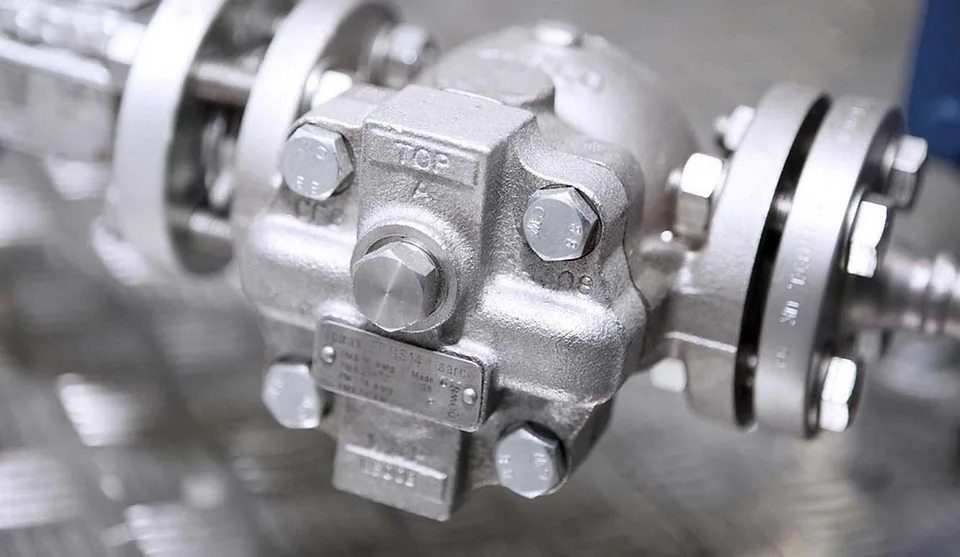
Why Steam Check Valves Matter
Steam check valves are especially important in parallel systems. When a unit stops or loses pressure, they prevent the common header from feeding steam backward into that unit.
Steam’s temperature and pressure require check-valve selection to consider:
- Materials: select the required temperature rating; the source discusses ratings above 300°C.
- Pressure rating: commonly PN16 or higher, subject to system design
- Direction and placement: fit the valve in the designated steam-outlet arrangement.
- Maintenance space: reserve service aisles.
Step 5: Condensate and Steam Traps — Plan Before Piping
Condensate forms in steam lines. If it collects at low points, water hammer, vibration and impact can follow.
Condensate-piping Design Principles
- Steam-main slope: commonly a 1–2% downward gradient, as appropriate to the layout
- Low-point drainage: provide appropriate condensate collection and trapping.
- Steam-trap locations: decide during piping design, rather than adding them afterward.
- Drainage routes: allow condensate to return correctly to the recovery system.
Steam traps require inspection and eventual replacement. Plan their position for future service access, with adequate clearance and minimal interference with other equipment.
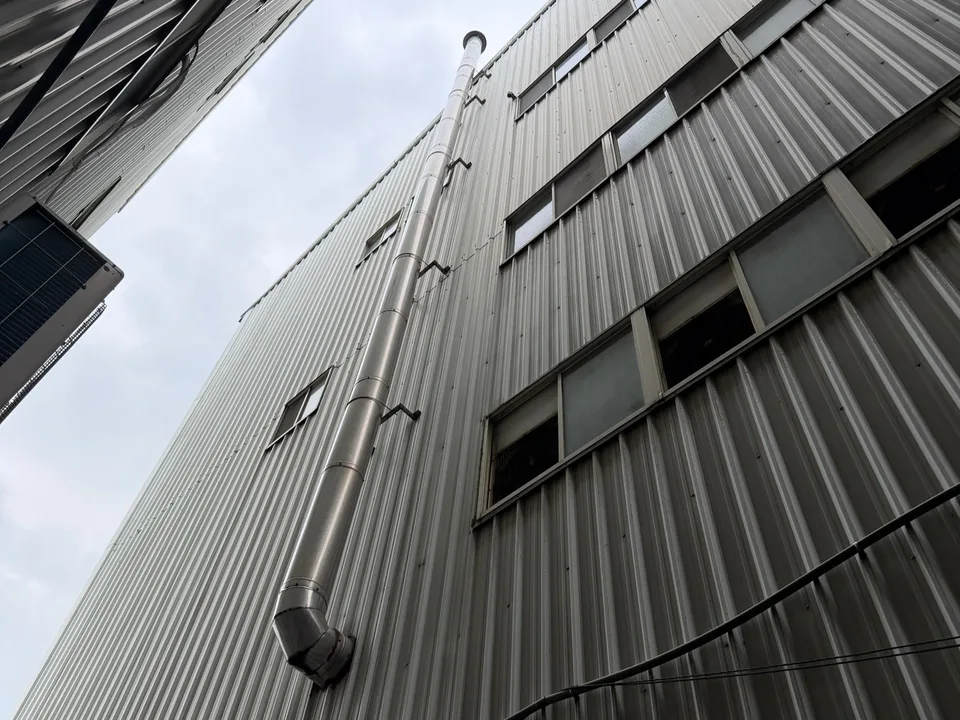
Step 6: Electrical Work and Flues
Modern steam boilers integrate mechanical and electrical systems. Beyond the burner, components include:
- Combustion-air Fan
- Feedwater Pump
- Combustion Controller
- Solenoid Valves
- Sensors and safety systems
Key Electrical Checks
Before energizing the equipment, confirm:
- Supply voltage and phase, commonly three-phase 380 V or as specified for the equipment
- Voltage stability: within the specified tolerance, typically ±10%
- Correct phase sequence: a reversed three-phase fan can directly affect combustion.
- Grounding and leakage protection must meet applicable requirements; the source references CNS 3160.
- Control-circuit logic tests to verify safety interlocks
Flues and Weatherproofing
Flue design must address exhaust flow, routing and support, as well as flashing and waterproofing wherever it crosses a wall or roof.
Taiwan’s rainy and typhoon seasons make this particularly important:
- Dry-weather installation can conceal leaks.
- Heavy rain reveals whether weatherproofing works.
- Water ingress can cause dampness, equipment corrosion and electrical faults.
Use suitable flashing, sealants and sealing collars at penetrations, then test for water ingress.
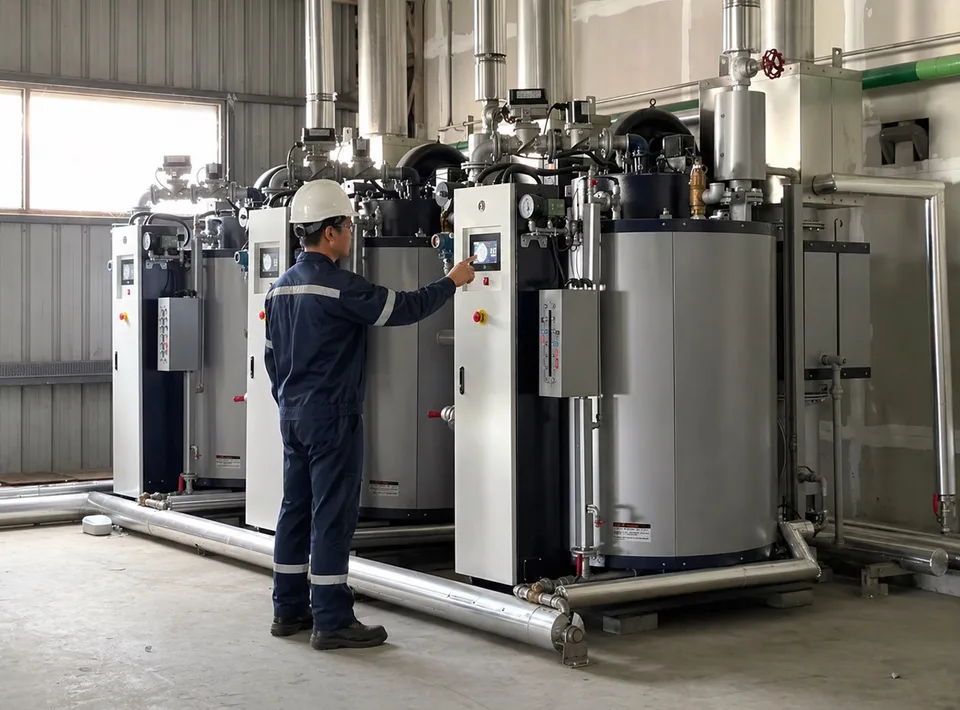
Step 7: Ignition and Commissioning — Verify Performance
First ignition follows verification of water, power, fuel and flue arrangements. Successful ignition alone does not mean combustion is correctly tuned.
The Importance of Combustion Tuning
Engineers adjust the air-fuel ratio using equipment requirements and actual measurements. Suitable combustion targets include:
- Combustion efficiency above 85%, as cited in the source’s ASME-based discussion
- Flue-gas oxygen: 3–5% O₂
- Carbon monoxide below 100 ppm
- Smoke level ≤ Bacharach 1, as referenced against CNS 7405 in the source
The Load-test Process
As pressure rises, pipes, flanges and valves reach operating temperature. Engineers check the system for:
- Leaks, particularly at flanges, welds and bolted connections
- Vibration that may indicate inadequate supports or water hammer
- Abnormal backflow in steam-supply branches
- Correct trap operation and unobstructed condensate drainage
Finally, operate the factory’s actual steam-consuming equipment. Load testing confirms:
- Normal boiler pressure-recovery behavior
- Stable feedwater control
- Any further combustion adjustment required under load
- Stable steam delivery to downstream equipment
Together, these steps form complete commissioning.
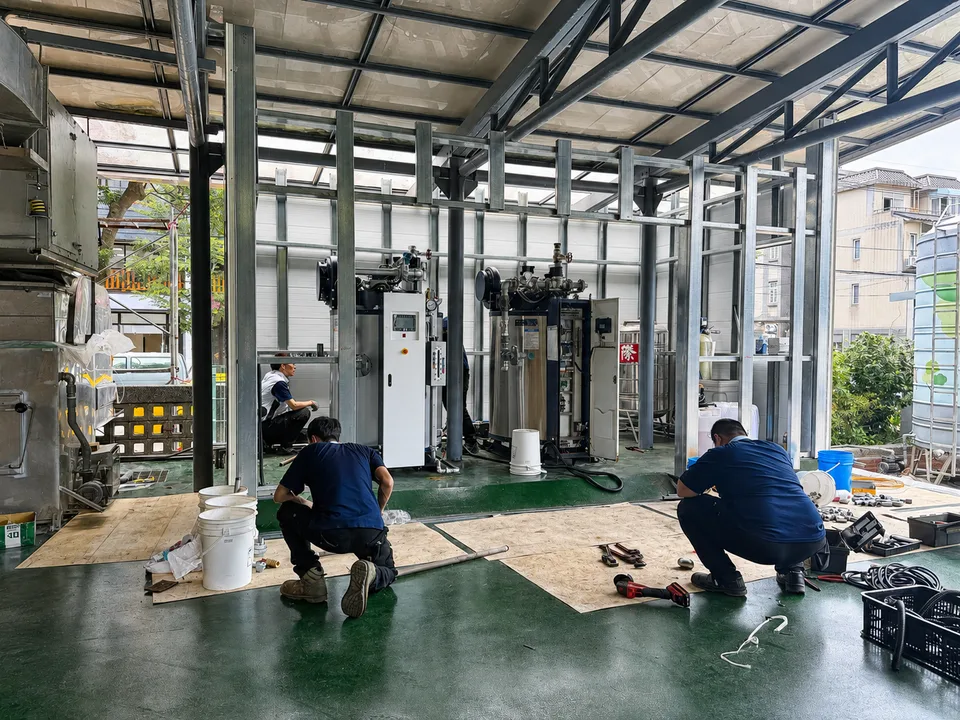
Step 8: A Complete Team — Protect Schedule and Quality
Boiler installation involves piping, electrical work, flues, water treatment, combustion and commissioning. It requires a coordinated team.
A Systematic Installation Plan
Chuang Ting plans the work sequence before arriving on site:
- Identify work that can proceed together, such as electrical and flue installation.
- Identify work dependencies, such as completing necessary piping before burner installation.
- Allow for dependencies such as concrete curing and fireproofing drying times.
Site responsibilities are divided among specialists:
- Piping specialists: design and weld the pipework.
- Electrical technicians: install power and control circuits.
- Combustion engineer: tune the air-fuel ratio and commission the boiler.
- Site supervisor: coordinate schedule and quality.
Clear responsibilities reduce waiting and rework while maintaining quality.
Why Scheduling Matters
Installing equipment is one capability; installing, commissioning and restoring steam within a limited shutdown requires coordinated expertise and execution.
Step 9: Operator Training — Running Equipment Is Only Part of Handover
After installation, Chuang Ting trains the staff who will operate the boiler daily in:
Training Topics
- Softener management: water testing and regeneration timing
- Feedwater and levels: normal operating range and low-water alarm response
- Steam systems: pressure adjustment, valve operation and safe pipe clearances
- Combustion and efficiency: monitoring and energy-conscious operation
- Environmental management: condensate disposal, heat recovery and applicable requirements
- Controls: startup, shutdown and automatic/manual operation
- Daily checks: inspection lists, abnormal conditions and when to call for service
- Alarm response: interpret common alarms and perform emergency shutdown.
Why Is Training Essential?
Running equipment demonstrates installation progress. Complete handover means the customer knows how to operate it.
Insufficient operator knowledge can cause avoidable faults. Comprehensive training helps prevent unnecessary downtime; the source estimates a reduction above 70% in such cases.
Steam Boiler Installation Checklist
Equipment positioning, piping, softening, check valves, steam traps, electrical work, flue sealing, combustion tuning, load tests, teamwork and training all form part of boiler installation.
A quick checklist:
Engineering Stage
Key Checks
Remarks
Equipment Positioning
Service access for control panels, burners and pumps
Plan access for future maintenance.
Piping Design
Slope, low points, expansion allowance and supports
Confirm condensate-trap locations.
Water-softening System
Capacity, regeneration settings and water testing
Monitor regularly after handover.
Backflow Prevention
Test feedwater and steam check valves.
Check pressure ratings and flow direction.
Condensate Management
Steam-trap selection and drainage routes
Allow Space for Maintenance
Electrical Commissioning
Voltage, phase sequence, grounding and leakage protection
Confirm three-phase motor rotation.
Flue Weatherproofing
Penetration flashing and water testing
Complete weatherproofing before the rainy season.
Combustion Adjustment
Air-fuel adjustment, exhaust analysis and efficiency verification
Confirm stable operation under load.
Operator Training
Water softening, feedwater, steam and emergency shutdown
Retain written documentation.
Chuang Ting’s Steam-system Engineering Commitment
Chuang Ting delivers a complete steam system designed for reliable production, straightforward operation and accessible maintenance.
From equipment placement and piping to commissioning and training, Chuang Ting applies 30 years of engineering experience to each detail.
Because we understand:
- Engineering quality affects service life: a well-designed steam system may serve for 15–20 years.
- Installation duration affects lost production: a shorter, well-managed shutdown reduces costs.
- Operator knowledge affects fault frequency; thorough training helps prevent common problems.
Contact us to discuss a new steam system or an upgrade. We provide complete engineering solutions as well as equipment.